Children as young as 13 are getting ketamine bladder damage
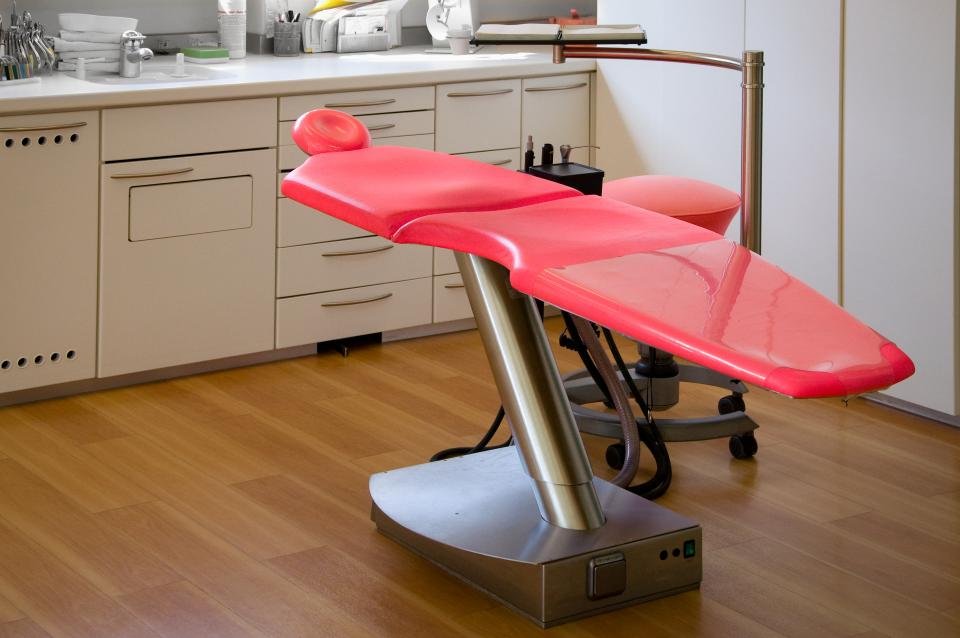
Doctors at Alder Hey Hospital in Liverpool have opened a specialist NHS clinic for children suffering from ketamine‑induced bladder damage, seeing patients as young as 13 and receiving more than 100 referrals since the service began in May. The young patients describe a sensation of “peeing a jellyfish,” indicating that the protective lining of the bladder is being shed, a condition that can progress to severe pain, incontinence, uncontrolled urination and even kidney failure. Many have been using ketamine for a year or longer, suggesting initiation of use at age 12 or younger, often because the drug, sold for pocket‑money prices, is perceived to quiet emotional trauma. Prof Rachel Isba, who runs the clinic, reports that children frequently begin wetting the bed, need to rush to the toilet, and experience pain described as “weeing over broken glass.” Some resort to further ketamine use for its analgesic properties, creating a vicious “K loop” that worsens bladder injury.
The rise in ketamine abuse among UK youths has driven the clinic’s rapid expansion, with a single referral arriving each week from general practitioners and emergency departments across Cheshire, Merseyside and surrounding areas. While ketamine is a general anaesthetic that dulls bodily sensations and produces a dream‑like, detached state, its misuse can affect the entire urinary tract, causing urgent, frequent, and often blood‑stained urination, abdominal cramps and, in heavy users, potential liver damage that is hard to separate from other substances. The British Association of Urological Surgeons estimates that roughly three‑tenths of frequent ketamine users develop bladder problems, and the condition can necessitate surgical repair or even bladder removal when the damage is irreversible.
Despite the clear health risks, ketamine remains classified as a Class B drug, a decision upheld by the Advisory Council on the Misuse of Drugs even as calls grow to reclassify it as a Class A substance. Children face additional barriers to treatment; those under 16 cannot access inpatient detox facilities that are available to adults, leaving many without adequate support to quit. The clinic’s patients often have co‑occurring issues such as ADHD, histories of care‑system involvement, or concurrent use of cannabis, alcohol and vaping. The situation highlights a broader public‑health challenge: a growing cohort of young people turning to ketamine for self‑medication, the difficulty of breaking peer‑driven cycles of use in schools, and the urgent need for tailored services to address both the physical and psychological harms of this emerging epidemic.
⚡ Effects Interpreter
🌍World Economy
- ▶Currency traders elsewhere may start pricing in the fallout within hours.
- ▶Investors abroad typically reprice their bets when news like this lands.
🏙️Local Economy
- ▶The high street usually mirrors big-picture shifts, just a little down the road.
- ▶Everyday costs in your town may drift as the wider economy reacts.
🏦Rates & Banks
- ▶Watching how currency markets react can hint at where rates head next.
- ▶Central banks watch moments like this closely, so keep an eye on savings rates.
❤️Health
- ▶Staying calm and informed tends to help more than worrying alone.
- ▶Community health workers may see extra questions in the days ahead.
💷Wealth
- ▶A healthy household budget and a healthy body often go hand in hand.
- ▶A modest emergency fund can cushion any health-related costs.
🏠Housing
- ▶A slow-moving market like housing rarely reacts overnight.
- ▶Anyone selling soon might want a fresh valuation once the dust settles.