Detroit despairs as ‘insanity’ of Trump’s Canada trade war punishes city
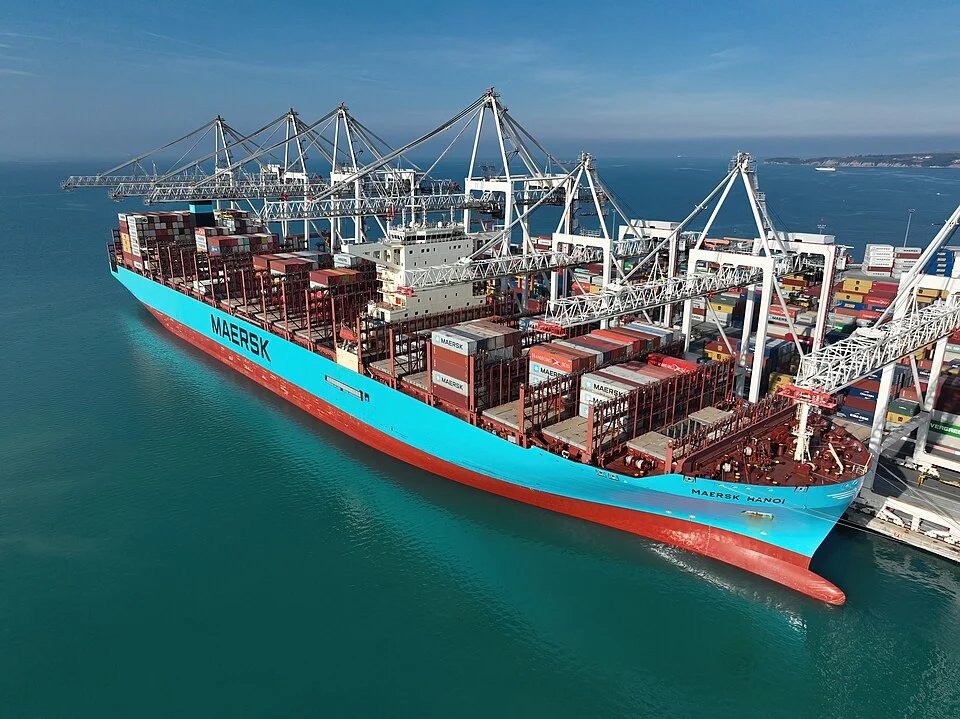
Donald Trump’s administration announced a sweeping 50 percent tariff on a broad slate of Canadian imports, a move that has sent shockwaves through the Detroit‑Windsor corridor where roughly $1 billion in goods cross daily. The policy, unveiled amid an escalating trade spat with Canada, targets items ranging from feathers and sweaters to lobster and girls’ dresses, and arrives as the 2024 midterm elections loom, with several pivotal Michigan races poised to decide control of the U.S. Congress. Detroit’s auto‑industry heartland, already shouldering the nation’s highest per‑capita tariff burden—averaging $3,200 annually, or 142 percent more than the rest of the country—now faces heightened economic strain, while Canadian producers brace for retaliatory duties on $20 billion of U.S. goods slated to begin on 8 September.
The tariffs have provoked widespread condemnation from political and economic observers, who label the escalation as “hubris,” “ego‑driven,” and “insanity.” A June Epic‑MRA poll revealed overwhelming opposition among Michiganders, with 63 percent disapproving of the tariffs and 75 percent attributing rising prices to the policy; even 35 percent of Republicans expressed disapproval. Economists warn that the measures could inflict a major hit on Canada’s economy and cost U.S. auto manufacturers roughly $12.5 billion by 2025. The political fallout appears equally severe: the unpopular tariffs, combined with the president’s ongoing war in Iran, constitute a “double hit” for Republicans, potentially bolstering Democratic Senate hopeful Abdul El‑Sayed, who has framed the tariffs as a vanity‑driven attack on Michigan families and pledged to pursue “real, fair trade deals that create good‑paying jobs.” Meanwhile, incumbent Republican Mike Rogers, a supporter of the tariffs, has remained silent on the latest escalation, leaving his campaign vulnerable to criticism from El‑Sayed and the broader electorate.
Labor reactions are mixed. The United Auto Workers, a powerful force in Michigan politics, has historically backed selective Trump tariffs but repudiated the newest round, arguing that tariffs should target nations that offshore jobs and undermine worker safety, not allies like Canada with strong unions. UAW President Shawn Fain emphasized that tariffs must be “deployed intentionally to protect workers and grow our manufacturing communities,” rejecting the current “annoyance list.” As the auto supply chain—where parts cross the border an average of six times before final assembly—adjusts to the new duties, industry leaders anticipate disruptions and higher costs, while political analysts watch closely to see whether the backlash will translate into Democratic gains in the crucial Michigan contests that could tip the balance of Congress.
⚡ Effects Interpreter
🌍World Economy
- ▶Ripples from this can reach factories and ports far away.
- ▶Forecasters typically revise their outlook when data like this lands.
🏙️Local Economy
- ▶Your take-home pay might feel an indirect pull from shifts like this.
- ▶Local firms often watch national data before setting their own prices.
🏦Rates & Banks
- ▶Your loan or mortgage rate is more likely to drift than to lurch here.
- ▶A sudden leap in mortgage costs from this alone would be out of character for lenders.
❤️Health
- ▶Talking things through with family or friends can ease the load.
- ▶Day-to-day stress can creep up if this starts touching familiar routines.
💷Wealth
- ▶Your financial adviser, if you have one, could already be watching this.
- ▶Your overall wealth picture is unlikely to be defined by a single story like this.
🏠Housing
- ▶Any effect on bricks and mortar is likely to be slow and modest.
- ▶Home costs usually respond later, once the bigger picture settles.