Ebola outbreak caused by new ‘animal transmission’: What that means
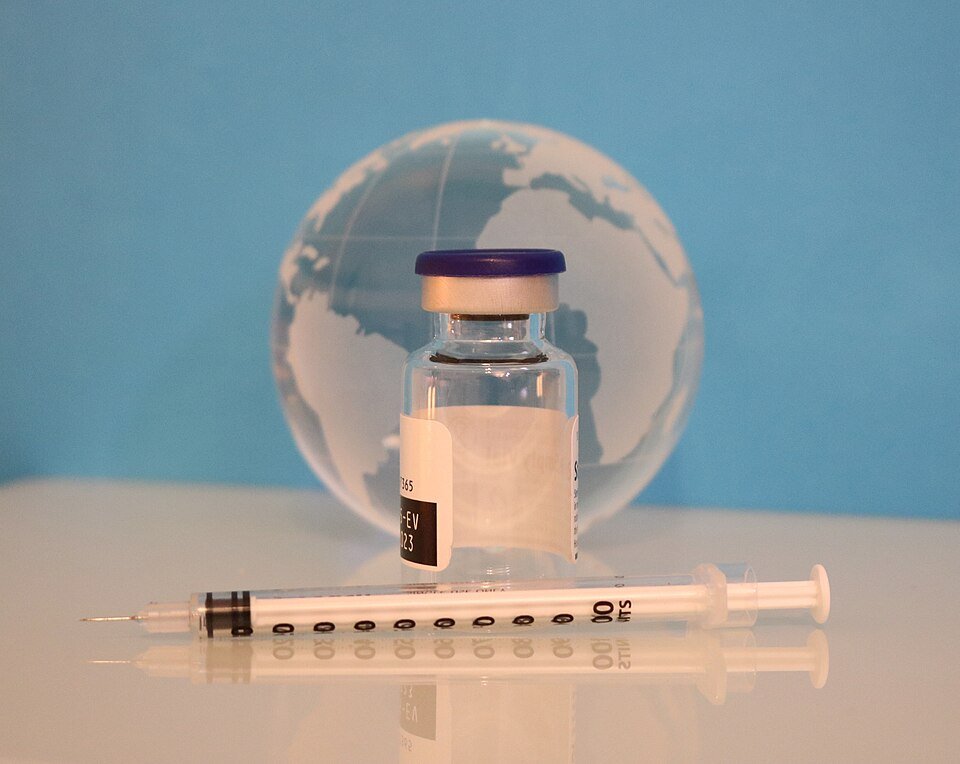
The Democratic Republic of the Congo is currently experiencing a devastating Ebola outbreak, with over 2,000 people having died from the virus out of 4,449 recorded cases, making it the fastest-moving Ebola outbreak on record. The outbreak, which was formally declared on May 15, is caused by the Bundibugyo strain of the Ebola virus, and according to a new study published in the medical journal Nature Medicine, it was caused by a new transmission from animals to humans rather than by variants linked to earlier outbreaks. The World Health Organization has stated that the current outbreak is spreading faster than health authorities can contain it and is on track to become the deadliest outbreak on record, with the organization's Director-General Tedros Adhanom Ghebreyesus warning that at its current pace, the outbreak could eclipse the West African outbreak of 2014 to 2016, which killed at least 11,300 people.
The study, which analyzed the genetic make-up of virus samples from 22 patients in the DRC and Uganda, found that the outbreak strain was genetically distinct from previous Bundibugyo Ebola viruses seen in outbreaks in 2007 and 2012, suggesting that the virus began with a new animal-to-human transmission incident, which then spread to other people. Krutika Kuppalli, an infectious diseases doctor, explained that the study's finding of a "new animal transmission" does not mean that a new form of Ebola has suddenly emerged or that animals are now transmitting the virus differently, but rather that the current outbreak began with a new "zoonotic spillover" event, where the virus crossed independently from an animal reservoir into a person. The outbreak is being driven predominantly by human-to-human transmission, and the fact that the virus has no licensed vaccine and limited treatment options makes it particularly dangerous. The World Health Organization's director for health emergency alert and response operations, Dr Abdirahman Mahamud, has stated that the agency's moderate projection has the outbreak peaking within six months, while a more severe scenario could see it stretching on for nine to 12 months.
The implications of the outbreak are far-reaching, with experts warning that the lack of understanding about where and when zoonotic spillover events will occur makes prevention and early detection extremely difficult. Kaja Abbas, associate professor of infectious disease epidemiology and dynamics, noted that beyond the initial animal-to-human transmission, it is the human-to-human transmission dynamics of the Bundibugyo virus that make it dangerous. Dr Kuppalli emphasized that the animal origin of the virus does not change the required treatment, and that supportive care, including aggressive fluid and electrolyte management, treatment of shock and organ dysfunction, and management of co-infections, remains critical. The researchers who worked on the new study have called for increasing decentralized laboratory diagnostics capacity, including genomic sequencing capacity and timely detection, to help pre-empt future outbreaks. With experimental therapeutics and vaccines in the clinical development pipeline, there is hope that the outbreak can be brought under control, but for now, the focus remains on containing the spread of the virus and providing care to those affected.
⚡ Effects Interpreter
🌍World Economy
- ▶Investors abroad often reprice their bets when a story like this lands.
- ▶The ripples can spread across borders, nudging growth forecasts here and there.
🏙️Local Economy
- ▶Household budgets could notice a small ripple in due course.
- ▶Local suppliers who import goods could pass on any change in costs.
🏦Rates & Banks
- ▶Any move in rates would probably come later, not overnight.
- ▶Interest rates and mortgage bills are unlikely to jump straight away from this alone.
❤️Health
- ▶Looking after mental health is worth it when headlines feel heavy.
- ▶The strain, if any, tends to show up quietly in everyday life.
💷Wealth
- ▶Your pension or investments might sway a touch as markets digest this.
- ▶Savings and portfolios can see short-lived ups and downs after news like this.
🏠Housing
- ▶Buyers and renters may notice only a gentle drift, if anything at all.
- ▶Home costs usually respond later, once the bigger picture settles.