Ebola outbreak in DR Congo becomes deadliest in country’s history
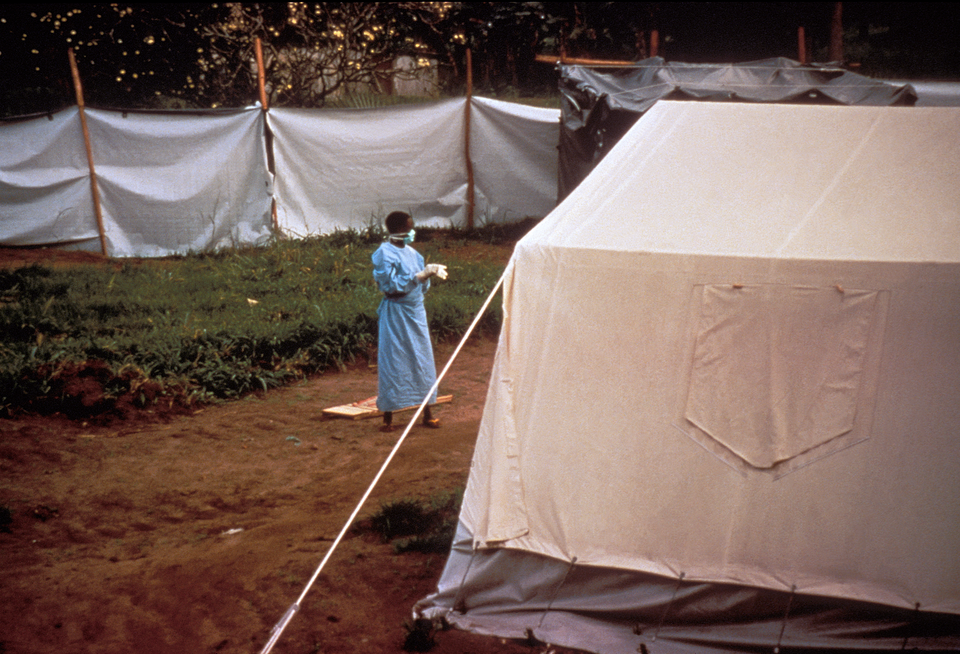
The Ebola outbreak in the Democratic Republic of the Congo has become the deadliest in the country's history, with 2,325 people killed and 4,945 infected, including 101 new cases detected in the previous 24 hours. The outbreak, which is the country's 17th, has surpassed the death toll of the 2018-2020 outbreak, which previously held the record with 2,299 deaths. Tom Fletcher, the United Nations humanitarian chief, has emphasized the need for "speed, scale, and solidarity" to combat the outbreak, warning that "Ebola is winning in the Democratic Republic of the Congo" and that the virus must not be allowed to outrun the response. The key figure in the response efforts is Fletcher, who is calling for increased action to contain the virus, which is currently spreading at a rapid pace.
The current outbreak is caused by the Bundibugyo species of Ebola virus, which has no approved vaccines or treatments, making it a particularly challenging situation. The outbreak has gained momentum since it was declared on May 15, with weak health infrastructure, the region's remoteness, and ongoing conflict near the DRC's borders with South Sudan, Uganda, and Rwanda hindering response efforts. The proportion of people dying from the outbreak after a confirmed infection has risen from about 20 percent in early June to 46 percent, according to government data, indicating that nearly one in every two confirmed cases is now deadly. This trend is unusual, as the case fatality ratio typically falls as contact tracing improves and patients are identified and treated earlier. Thomas Parisch, a public health specialist with Doctors Without Borders, has noted that many cases are still being detected very late, when treatment is less likely to succeed, and that many patients are only identified after they die in the community.
The outbreak has significant implications, with World Health Organization Director-General Tedros Adhanom Ghebreyesus warning that it is on track to eclipse the West African Ebola outbreak of 2014 to 2016, which killed more than 11,000 people. A small number of experimental vaccines and therapies are being evaluated, while global health authorities assess whether existing Ebola treatments could offer protection. However, evidence so far is limited to animal studies, and it is unclear whether these treatments will be effective in humans. The situation is dire, with Fletcher emphasizing the need for urgent action to contain the outbreak. The response efforts will need to be scaled up significantly to address the growing number of cases and to prevent further spread of the virus. The international community will need to provide support to the DRC to strengthen its health infrastructure and to provide the necessary resources to combat the outbreak.
⚡ Effects Interpreter
🌍World Economy
- ▶Confidence among international firms could wobble until the picture clears.
- ▶Cross-border money flows can subtly change direction after events like this.
🏙️Local Economy
- ▶Prices at your local shops could feel a gentle, indirect squeeze from this.
- ▶Everyday costs in your town could drift as the wider economy reacts.
🏦Rates & Banks
- ▶Savers might glance at their account rate — lenders adjust after big events.
- ▶Any move in rates would probably come later, not overnight.
❤️Health
- ▶Looking after mental health is worth it when headlines feel heavy.
- ▶The strain, if any, tends to show up quietly in everyday life.
💷Wealth
- ▶Savings and portfolios can see short-lived ups and downs after news like this.
- ▶It may be worth a quick look at your ISA or pension in the coming days.
🏠Housing
- ▶House prices and rents are unlikely to shift the moment this news breaks.
- ▶The property market tends to move slowly, so expect any change to take time.