Fact-checking Trump’s speech at the United Nations General Assembly
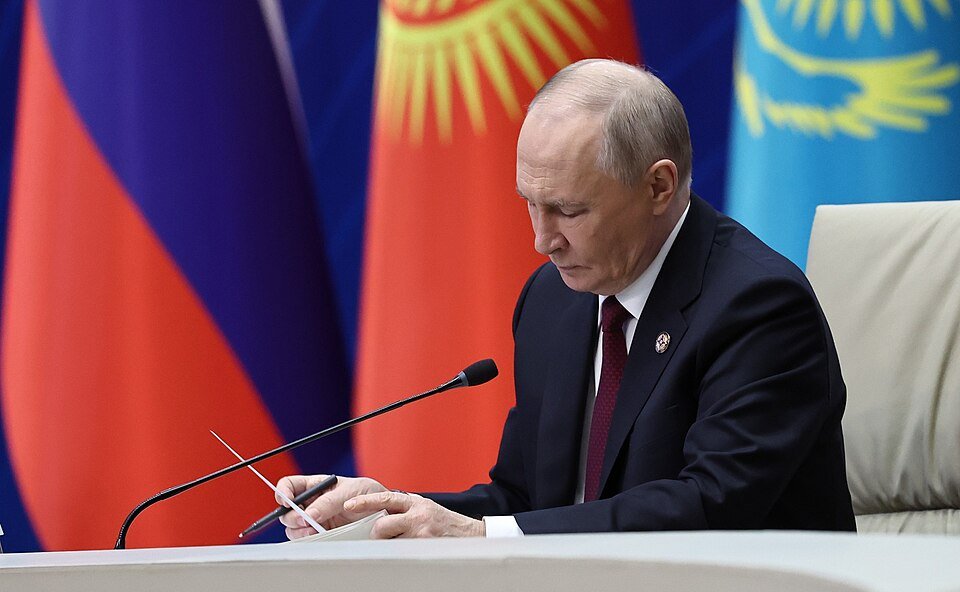
Former President Donald Trump delivered a United Nations General Assembly speech that featured a series of dubious assertions, most prominently his claim that the United States possesses “more munitions than we could ever possibly even think of using” and is producing them at unprecedented levels. He dismissed critics of U.S. weapons stockpiles as “cowards and traitors,” while also stating that the U.S. and Venezuela together control over 60 percent of the world’s oil and that he had “ended the war in Gaza, saving untold thousands of lives.” These statements formed the core of his address, which also included remarks dismissing AI‑risk warnings as a “hoax” and equating them with climate‑change alarmism.
Fact‑checkers found each of Trump’s headline claims to be misleading or false. Analyses from the Center for Strategic and International Studies and reports by NBC News and the Associated Press documented significant strain on U.S. munitions inventories, especially interceptor missiles, as the war in Ukraine and confrontations with Iran deplete stocks. Regarding oil, official data on proven reserves and current production show the United States and Venezuela together account for roughly 22‑23 percent of global supply, far short of the 60 percent Trump cited, with Venezuela’s damaged infrastructure further limiting output. His assertion that the Gaza war had ended contradicts ongoing Israeli strikes and reports from Hamas‑run health authorities indicating more than 1,000 Palestinian deaths since the October ceasefire, while the U.S.‑backed reconstruction plan remains stalled.
The inaccuracies have broader implications for public discourse and policy perception. By overstating military readiness, Trump may influence debates on defense spending and the urgency of replenishing critical weapon systems. Inflated oil figures could skew discussions on energy independence and geopolitical leverage, especially concerning Venezuela’s faltering production capacity. Moreover, his dismissal of AI safety concerns ignores warnings from leading industry figures such as Anthropic’s Dario Amodei and OpenAI’s Sam Altman, potentially undermining efforts to regulate advanced technologies. The fact‑checking analysis underscores the need for scrutiny of high‑profile statements that shape international narratives and domestic policy agendas.
⚡ Effects Interpreter
🌍World Economy
- ▶International capital can shift direction faster than headlines suggest.
- ▶Cross-border money flows can quietly change direction after events like this.
🏙️Local Economy
- ▶Your weekly shop could get a touch dearer, or cheaper, down the line.
- ▶Everyday essentials might nudge in price as suppliers adjust.
🏦Rates & Banks
- ▶Lenders often reserve big rate moves for clearer economic signals.
- ▶Rate decisions tend to follow data, not headlines, so patience is the norm.
❤️Health
- ▶News like this can nibble at everyday calm more than people expect.
- ▶Being kind to yourself matters just as much as staying informed.
💷Wealth
- ▶Retirement plans are seldom derailed by news of this size alone.
- ▶A quiet review of where your savings sit rarely does any harm.
🏠Housing
- ▶Anyone selling soon might want a fresh valuation once the dust settles.
- ▶A slow-moving market like housing rarely reacts overnight.