Falling Danube flow forces shutdown of Romania’s sole nuclear plant
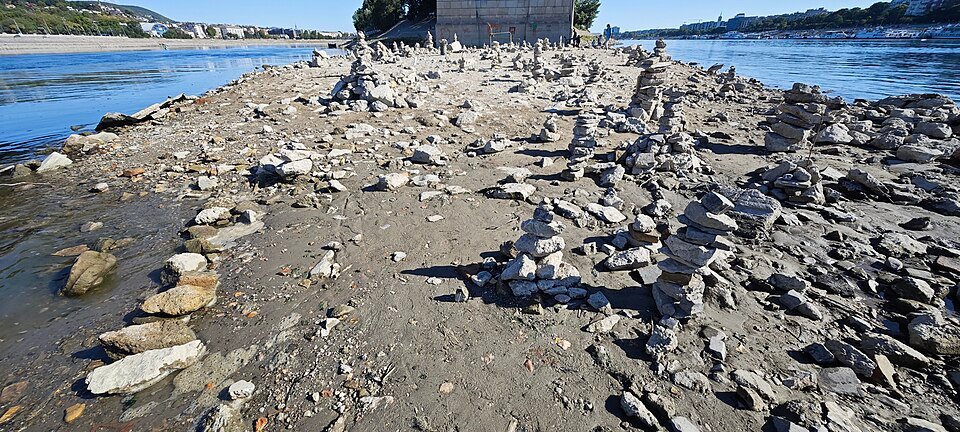
Romania's sole nuclear plant, located in Cernavoda, has been forced to shut down due to record-low water levels in the Danube River, which provides cooling water for its reactors. The plant, operated by the national nuclear energy company Nuclearelectrica, typically generates a fifth of the country's electricity. The shutdown began with the closure of one reactor last month, and the company has now initiated a controlled shutdown of the second reactor. The plant's director, Romeo Urjan, does not expect the facility to restart operations within the next 10 days, citing the severe drought gripping large parts of Europe as the primary cause of the low water levels. The drought has caused flow rates in nearly two-thirds of the Danube to hit their lowest in over three decades, according to an analysis by the European climate change observatory Copernicus.
The shutdown of the Cernavoda plant is a significant consequence of the severe drought affecting Europe, and it has major implications for Romania's energy supply. The country had attempted to avert a complete shutdown by diverting the Danube's flow to maintain cooling of the reactors, including blowing up a large rock restricting the flow of water and sinking four barges filled with rocks into the river, at a cost of over 2 million euros. However, these efforts were ultimately unsuccessful, and the plant has been forced to shut down. Alternative power sources, including wind power and electricity imports, are expected to ensure adequate supplies, but the Ministry of Energy has appealed for "responsible consumption" and warned that large industrial consumers may face restrictions on consumption during evening hours to save electricity. The situation is being closely monitored, and the government is taking steps to mitigate the impact of the shutdown on the country's energy supply.
The shutdown of the Cernavoda plant is not an isolated incident, as the low water levels in the Danube are affecting other countries in the region. Neighbouring Hungary, for example, has been able to avoid a complete shutdown of its only nuclear plant in Paks, but the plant has been partially shut down since late last month. The Hungarian government has ordered the construction of a submerged wall to control flows near the plant and is stationing two 80-metre barges that could be sunk to raise the water level. The low water levels in the Danube are also having a significant impact on shipping along its 2,850km route, stretching from western Germany to the Black Sea. The situation highlights the far-reaching consequences of the severe drought gripping Europe and the need for countries in the region to work together to address the challenges posed by climate change.
⚡ Effects Interpreter
🌍World Economy
- ▶Global supply chains might feel a small tremor as businesses adjust.
- ▶Investors abroad often reprice their bets when news like this lands.
🏙️Local Economy
- ▶Everyday costs in your town may drift as the wider economy reacts.
- ▶Small businesses nearby might tweak their prices in the weeks ahead.
🏦Rates & Banks
- ▶Central banks watch moments like this closely, so keep an eye on savings rates.
- ▶Borrowing costs may hold steady for now, but they can turn on fresh news.
❤️Health
- ▶Community wellbeing may dip a little while people wait for clarity.
- ▶Local health services could get busier depending on how things develop.
💷Wealth
- ▶Savings and portfolios can see short-lived ups and downs after news like this.
- ▶It may be worth a quick look at your ISA or pension in the coming days.
🏠Housing
- ▶Any effect on bricks and mortar is likely to be slow and modest.
- ▶House prices and rents are unlikely to shift the moment this news breaks.