France's school protests: What lies behind the anger
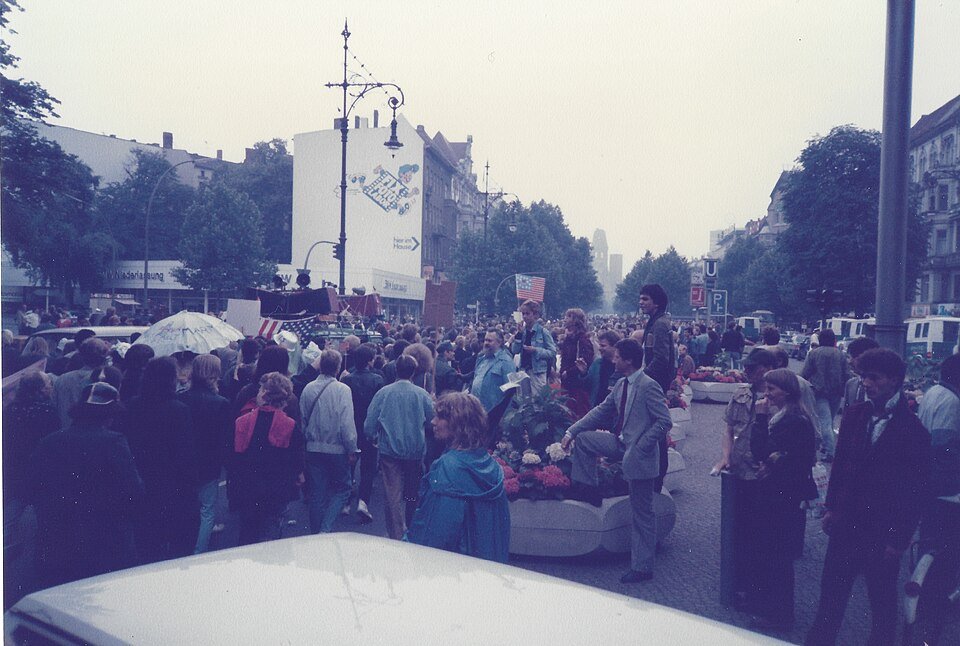
Students across France have taken to the streets in unprecedented numbers, blockading lycées and marching in protests that have turned violent in several cities, leaving hundreds of students, teachers and police injured and thousands arrested. The demonstrators, primarily 15‑ to 18‑year‑olds, cite acute staff shortages, dilapidated school buildings that become unbearably hot during heat waves, bans on mobile phones and school days that extend until 18:00, leaving them with little time for sleep or homework. A further flashpoint is the opaque higher‑education allocation platform Parcoursup, which funnels the majority of students—about 80 % of each cohort—into university places that may not match their preferences, intensifying competition and anxiety. Interior Minister Laurent Nuñez described the unrest as “unprecedented” in its scale, number of schools involved and degree of violence, while Prime Minister Sébastien Lecornu emphasized that security forces are only tasked with enforcing the law, not confronting students.
The grievances, while genuine, do not fully explain the magnitude of the current movement. OECD data show that France actually spends more per lycée student than the EU average, and teacher shortages, though present, are milder than in many comparable nations; French teachers also receive relatively low pay. Extended school days stem mainly from long lunch breaks and complex timetables rather than an intentional policy to lengthen instruction, and competition for university places is a common stressor across Europe where 80‑90 % of youths complete secondary education. Nonetheless, underfunded facilities, staff absences lasting weeks without replacement, and the perceived unfairness of Parcoursup have fueled discontent, creating a volatile mix that, when combined with France’s historic reliance on street protest as a political lever, has amplified the unrest beyond what the material issues alone would predict.
The protests echo a long French tradition of mass student action influencing national policy, from the 1990 Seine‑Saint‑Denis school rape protests that secured €1.2 billion for lycées, to the 1998 march of half a million pupils that yielded nearly €1 billion for renovations and 14 000 new staff positions, and the 2006 blockade that forced the withdrawal of a youth employment law. Earlier movements such as the 2018‑19 “gilets jaunes” and the iconic 1968 uprising demonstrate how demonstrators can compel governments to reverse decisions, often through sustained blockades and street pressure. Interior Minister Nuñez’s decision to suspend stun grenades underscores the authorities’ concern over escalating violence. As the protests continue, the stakes involve not only immediate improvements to school conditions and the Parcoursup system but also the broader question of how French political culture will accommodate—or suppress—a generation accustomed to demanding change from the streets.
⚡ Effects Interpreter
🌍World Economy
- ▶Cross-border money flows can gradually change direction after events like this.
- ▶Trade and investment between countries could shift a little if things escalate.
🏙️Local Economy
- ▶Modest firms on your street may pass costs on cautiously, bit by bit.
- ▶Everyday spending habits nearby may shift once the news sinks in.
🏦Rates & Banks
- ▶Central bankers rarely rush; they prefer to see how the dust settles.
- ▶Savings rates can lag behind a story like this by weeks, not days.
❤️Health
- ▶A little perspective usually helps once the initial shock fades.
- ▶Day-to-day stress can creep up if this starts touching familiar routines.
💷Wealth
- ▶Long-term savers usually ride out these modest bumps just fine.
- ▶A quiet review of where your savings sit rarely does any harm.
🏠Housing
- ▶Landlords and tenants alike rarely feel sudden shifts from a story like this.
- ▶A patient seller usually fares better than one rushing to react to headlines.