Germany's Merz warns attackers will 'pay price' after drone incident
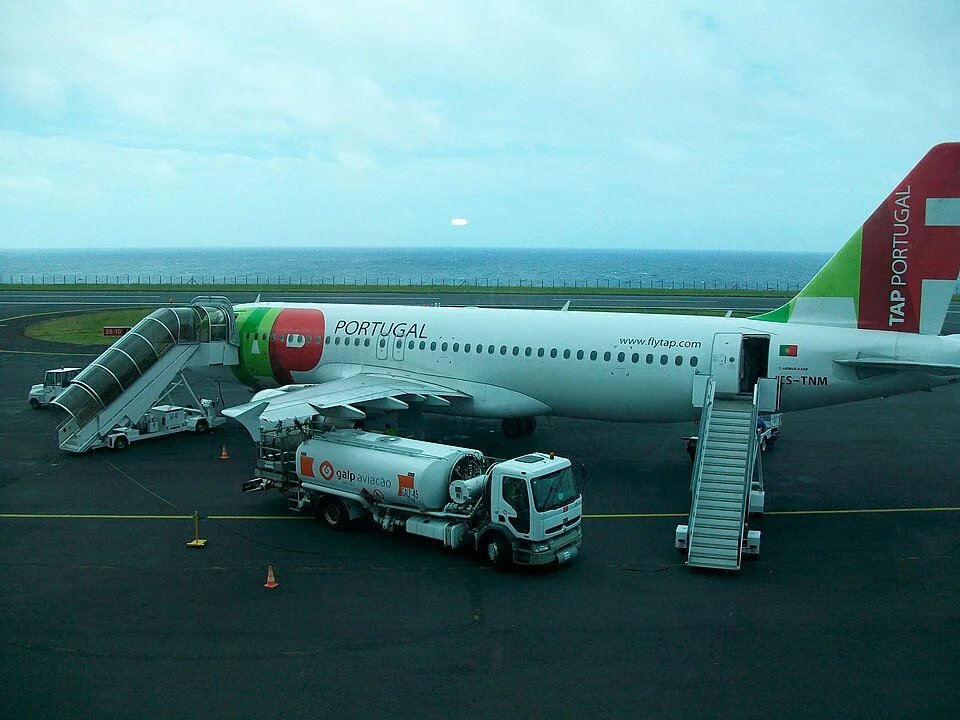
A drone carrying an explosive device was discovered on 4 August at Leipzig/Halle Airport in eastern Germany, near Ukrainian cargo planes, but the bomb failed to detonate because its detonator was faulty. Police safely defused the explosives and suspect a second drone may have collided with a cargo aircraft nearby; investigators later found a third drone and traces of the military explosive hexogen at the site. Chancellor Friedrich Merz warned that the incident demonstrated a “very real threat” to Germany and pledged that those responsible for drone attacks and other hostile acts would “pay a price,” emphasizing that attackers are becoming increasingly ruthless, willing to cause severe property damage, injuries and fatalities.
The Leipzig incident underscores a broader pattern of unauthorized drone flights over sensitive German locations, including military bases, energy terminals, seaports and logistics hubs, which security experts suspect may be orchestrated by Russian agents. While German authorities have not formally accused Moscow, speculation about Russian involvement has circulated, and Russia has denied any role. The airport serves both the German military and NATO allies for transport of military goods and hosts Ukraine’s Antonov Airlines, which handles most of the country’s aerial cargo, as well as the logistics giant DHL, making it a strategically significant target. Merz highlighted that some of Germany’s security challenges stem from external sources that cannot be ignored.
In response, the German government announced a suite of measures to bolster defenses, including stronger anti‑drone systems and plans to empower security services to retaliate against attackers, potentially by hacking their computer servers. Merz reiterated Germany’s steadfast support for Ukraine, stating the country aims not to prolong the war but to force peace talks. He indicated that officials are working closely with security agencies on the investigation and will release further details soon, signaling an intensified focus on protecting critical infrastructure from similar threats.
⚡ Effects Interpreter
🌍World Economy
- ▶Currency traders elsewhere may start pricing in the fallout within hours.
- ▶Economies far from the headline can still catch the aftershocks.
🏙️Local Economy
- ▶Tour operators usually adjust package prices quickly once demand shifts.
- ▶Holiday budgets might need a bit wiggle room after news like this.
🏦Rates & Banks
- ▶Lenders often hold their nerve until a clearer trend appears.
- ▶Savers might glance at their account rate — lenders adjust after big events.
❤️Health
- ▶A little planning keeps a trip healthy and happy.
- ▶Local water and food advice can save a holiday from an upset stomach.
💷Wealth
- ▶Financial plans built on solid ground rarely need urgent revisiting here.
- ▶Steady hands usually come out ahead when news like this breaks.
🏠Housing
- ▶Mortgage deals may edge around if lenders read the wider mood.
- ▶First-time buyers watching the market closely may see little change in the short term.