Gold Wavers Near $4,400 as Tame Inflation Eases Rate-Hike Bets
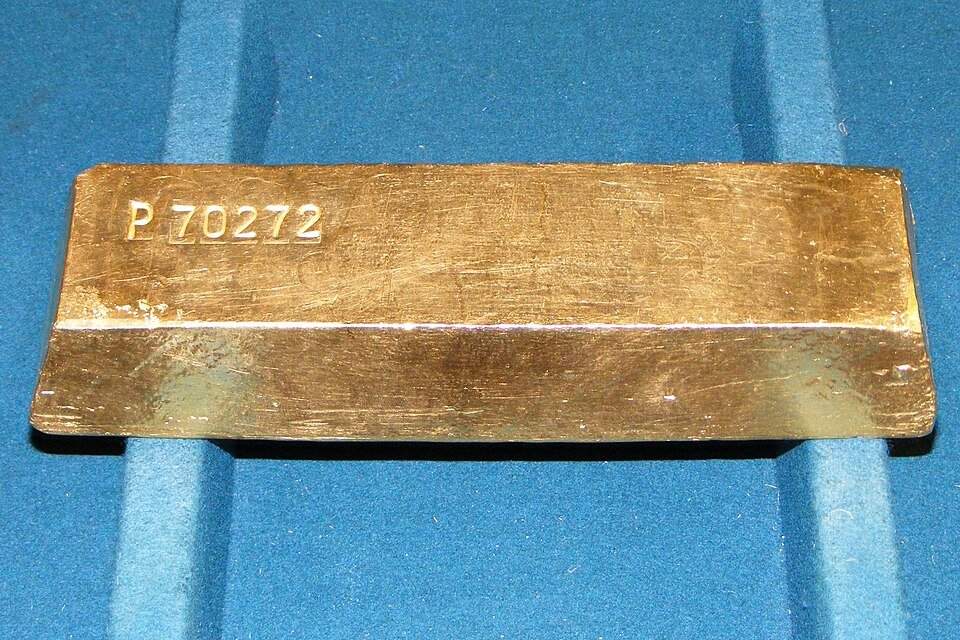
Gold prices have been fluctuating around the $4,400 mark per ounce, following the release of a US inflation report that indicated a more subdued increase in prices than anticipated. This development has significant implications for the Federal Reserve's monetary policy decisions, particularly with regards to interest rate adjustments. The key figure in this scenario is the Federal Reserve, as its decisions on interest rates have a profound impact on the overall economy and, by extension, the value of gold. The fact that gold is trading near $4,400 an ounce suggests a level of stability in the market, but also underscores the sensitivity of gold prices to economic indicators and central bank actions.
The subdued US inflation report is a crucial factor in the current gold price dynamics, as it eases pressure on the Federal Reserve to implement aggressive interest rate hikes. When inflation is high, central banks often respond by raising interest rates to curb spending and reduce demand, which can strengthen the currency and make gold less attractive as an investment. Conversely, lower inflation or a slowdown in inflation growth can lead to a decrease in the likelihood of rate hikes, which in turn can support gold prices. The context provided by the inflation report suggests that the economy may not be overheating as previously thought, which could influence the Federal Reserve's decision-making process regarding future rate adjustments. This backdrop is essential for understanding the reasoning behind the current gold price movements and the potential trajectory of interest rates.
The implications of the gold price fluctuations and the Federal Reserve's potential actions are far-reaching, affecting not only investors in gold but also the broader economy. As gold is often seen as a safe-haven asset, its price can reflect investor sentiment regarding the health of the economy and the actions of central banks. A stable or rising gold price can indicate caution among investors, while a falling price might suggest increased confidence in the economy. The fact that gold is wavering near $4,400 an ounce may signal that investors are awaiting further economic indicators and Federal Reserve decisions before making significant moves. This wait-and-see approach can contribute to market volatility, as investors weigh the potential for future interest rate changes against the current economic landscape, making the gold market a closely watched indicator of economic sentiment and central bank policy.
⚡ Effects Interpreter
🌍World Economy
- ▶Markets often move first and ask questions later after headlines like these.
- ▶Global investors may reshuffle quickly as the story sinks in.
🏙️Local Economy
- ▶Everyday costs in your town might drift as the wider economy reacts.
- ▶Small businesses nearby might tweak their prices in the weeks ahead.
🏦Rates & Banks
- ▶Borrowing costs may hold steady for now, but they can turn on fresh news.
- ▶Your loan or mortgage rate is more likely to drift than to lurch here.
❤️Health
- ▶Neighbours and families could feel more anxious until the dust settles.
- ▶Looking after mental health is worth it when headlines feel heavy.
💷Wealth
- ▶It could be a day to check, but rarely a day to panic, over your portfolio.
- ▶Traders' mood can move your investments before the week is out.
🏠Housing
- ▶Buyers and renters may notice only a gentle drift, if anything at all.
- ▶Home costs usually respond later, once the bigger picture settles.