Iceland EU referendum on a knife edge as counting continues
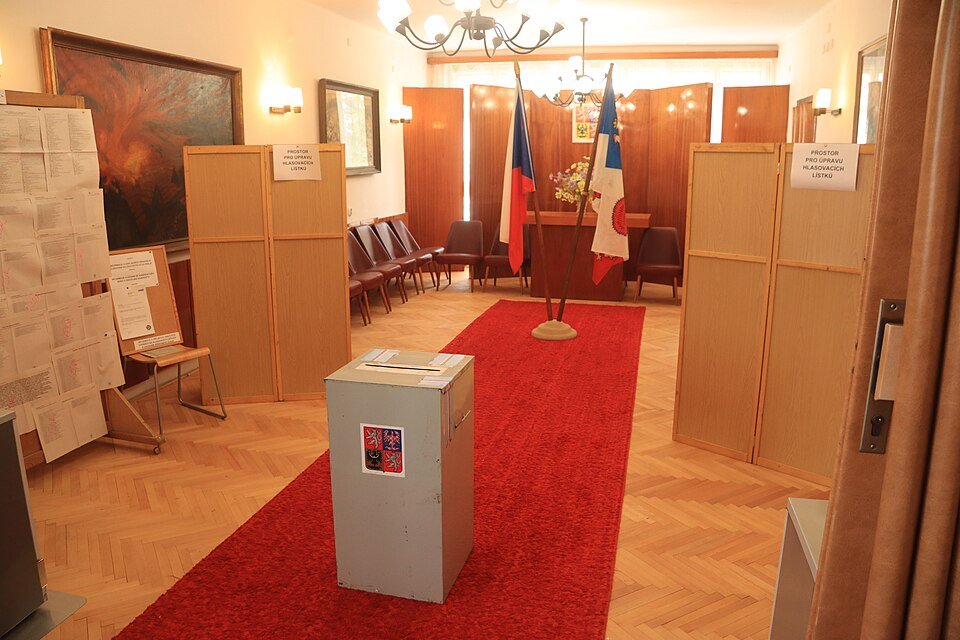
Iceland’s referendum on whether to restart negotiations for European Union membership has proved too close to call, with the first 153,197 of roughly 270,000 eligible votes showing a 50.1 % “No” versus 49.9 % “Yes” split—a margin of just 435 votes, according to public broadcaster RÚV. The ballot asked voters if the country should resume accession talks, a step that would not itself grant membership but would lead to a formal negotiation process that would later require a second referendum for final approval. Prime Minister Kristrún Frostadóttir, whose centre‑left government pledged a referendum by 2027 but moved the date forward amid heightened international tensions, cast her vote in Reykjavík on Saturday and affirmed that her administration would continue its work regardless of the outcome.
The decisive issue for many Icelanders has been the nation’s fishing industry, which accounts for nearly 40 % of exports and lies at the heart of the EU’s Common Fisheries Policy. Opposition voters fear that rejoining EU accession talks could force Iceland to cede control over its lucrative fishing grounds, a concern that dominated the campaign despite broader security debates. Iceland has been part of the EU’s single market and Schengen area for years, but full membership would also bring the country into the EU customs union and eventually the euro, raising further economic considerations. The referendum follows a long‑standing saga that began with an application in 2009 after the 2008 financial crisis, progressed until a eurosceptic government halted talks in 2013, and has now resurfaced amid external pressures such as U.S. President Donald Trump’s remarks about Greenland and heightened Russian naval activity near Icelandic waters.
While the vote remains unsettled, the narrow result underscores a nation divided between preserving sovereign control of its marine resources and pursuing deeper integration with Europe. The outcome will shape Iceland’s future diplomatic posture, influencing its NATO commitments, its support for Ukraine, and its broader geopolitical alignment. Regardless of the final tally, the referendum has sparked a renewed national conversation about Iceland’s place in the world, and both the government and opposition have signaled readiness to move forward with policy agendas that address economic stability, security concerns, and the country’s long‑term relationship with the EU.
⚡ Effects Interpreter
🌍World Economy
- ▶The ripples can spread across borders, nudging growth forecasts here and there.
- ▶Confidence among international firms might wobble until the picture clears.
🏙️Local Economy
- ▶The high street usually mirrors big-picture shifts, just a little later.
- ▶Household budgets may notice a small ripple in due course.
🏦Rates & Banks
- ▶Interest rates and mortgage bills are unlikely to jump straight away from this alone.
- ▶Central banks watch moments like this closely, so keep an eye on savings rates.
❤️Health
- ▶Community wellbeing may dip a little while people wait for clarity.
- ▶Local health services could get busier depending on how things develop.
💷Wealth
- ▶It could be worth a quick look at your ISA or pension in the coming days.
- ▶Nest eggs can wobble briefly before finding their footing again.
🏠Housing
- ▶House prices and rents are unlikely to shift the moment this news breaks.
- ▶The property market tends to move slowly, so expect any change to take time.