IMF warns global economy ‘could soon test the limits of resilience’
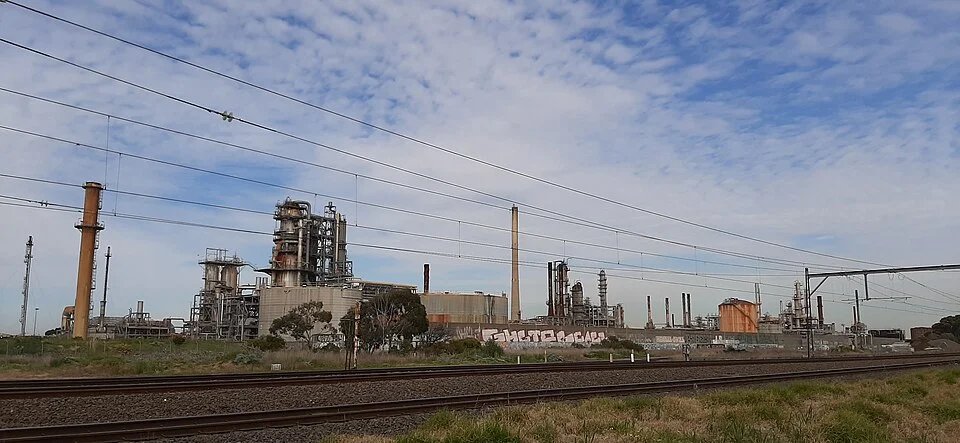
The International Monetary Fund warned that the global economy “could soon test the limits of resilience” as emergency oil stocks dwindle and government budgets become overstretched. In its World Economic Outlook released in Bangkok, the IMF noted that growth has so far weathered the Middle‑East conflict better than expected, thanks in part to rerouted supplies and strategic releases of oil, but emphasized that depleted inventories and high debt levels leave many countries with little capacity to shield consumers from future price spikes. IMF officials, including economic counsellor Silvana Tenreyro and managing director Kristalina Georgieva, urged policymakers to move beyond coping and begin rebuilding policy buffers.
The report highlighted several concrete risks that could undermine the fragile recovery. The International Energy Agency’s unprecedented emergency oil releases in March have already been exhausted, and the United States strategic petroleum reserve has fallen to its lowest level since 1982, underscoring the system’s vulnerability. The IMF also flagged a “prolonged stalemate or further escalation in the Middle East” as a downside risk that would lift energy and food prices, while additional threats such as cyber‑attacks on energy infrastructure or extreme weather events could amplify the impact. Moreover, the Fund warned that persistent high oil prices and rising interest rates are likely to dampen consumption and investment, pushing growth lower in 2027.
Despite a modest upward revision of global growth to 3.1 % for 2024 and an upgrade of the United Kingdom’s forecast to 1.3 %, the IMF cautioned that inflation will remain elevated, with a global rate of 4.7 % this year and a slower decline to 4.1 % by 2027. Central banks were advised not to overreact to short‑term price jumps but to stay ready for swift action if inflation becomes entrenched. The Fund also warned of a potential AI‑driven market crash, adding another layer of uncertainty to the outlook as finance ministers and central bankers gather for the IMF‑World Bank annual meetings.
⚡ Effects Interpreter
🌍World Economy
- ▶Forecasters typically revise their outlook when data like this lands.
- ▶Manufacturing hubs overseas might adjust output if demand signals change.
🏙️Local Economy
- ▶Slight business owners nearby may gradually rework their margins.
- ▶Neighbourhood businesses tend to feel big economic shifts eventually.
🏦Rates & Banks
- ▶Rate decisions tend to follow data, not headlines, so patience is the norm.
- ▶Any move in rates would probably come later, not overnight.
❤️Health
- ▶Local health services could get busier depending on how things develop.
- ▶Neighbours and families may feel more anxious until the dust settles.
💷Wealth
- ▶Financial plans built on solid ground rarely need urgent revisiting here.
- ▶Savers with a clear plan tend to feel less rattled by a story like this.
🏠Housing
- ▶Mortgage deals could edge around if lenders read the wider mood.
- ▶Anyone selling soon might want a fresh valuation once the dust settles.