✓ Independently verified by 3 news sources
Major Economies Pledge $300 Billion for Clean Energy in Developing Nations
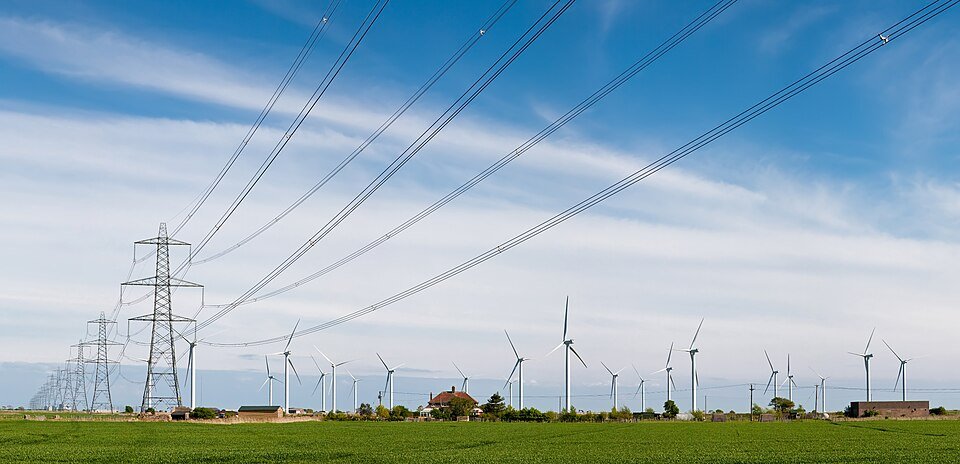
A coalition of wealthy economies has committed new financing to help lower-income countries build renewable power and cut emissions.
At an international finance summit, major economies agreed a package of grants, loans and private-capital guarantees aimed at accelerating clean-energy projects across the developing world.
Recipient nations welcomed the pledge but stressed that money must arrive quickly and on fair terms to avoid adding to debt burdens.
⚡ Effects Interpreter
🌍World Economy
- ▶Large-scale clean-energy finance can reshape global power markets and reduce fossil-fuel dependence.
- ▶New infrastructure demand creates opportunities across renewables, grids and manufacturing.
🏙️Local Economy
- ▶Developing-region communities may gain reliable electricity and local construction jobs.
- ▶Energy access can unlock small-business growth in previously underserved areas.
🏦Rates & Banks
- ▶Concessional loans and guarantees influence borrowing costs for major infrastructure projects.
- ▶Debt-sustainability concerns mean the structure of financing matters as much as the headline sum.
❤️Health
- ▶Replacing polluting generators with clean power improves air quality and respiratory health.
- ▶Reliable electricity strengthens clinics, refrigeration for medicines and emergency services.
💷Wealth
- ▶Renewable-infrastructure funds may benefit from a pipeline of new projects.
- ▶Long-horizon green investments carry policy and execution risk investors should weigh.
🏠Housing
- ▶Electrification can support housing development in regions previously off the grid.
- ▶The pledge has no direct effect on property prices in donor countries.