More flight delays expected after hundreds cancelled by air traffic control glitch
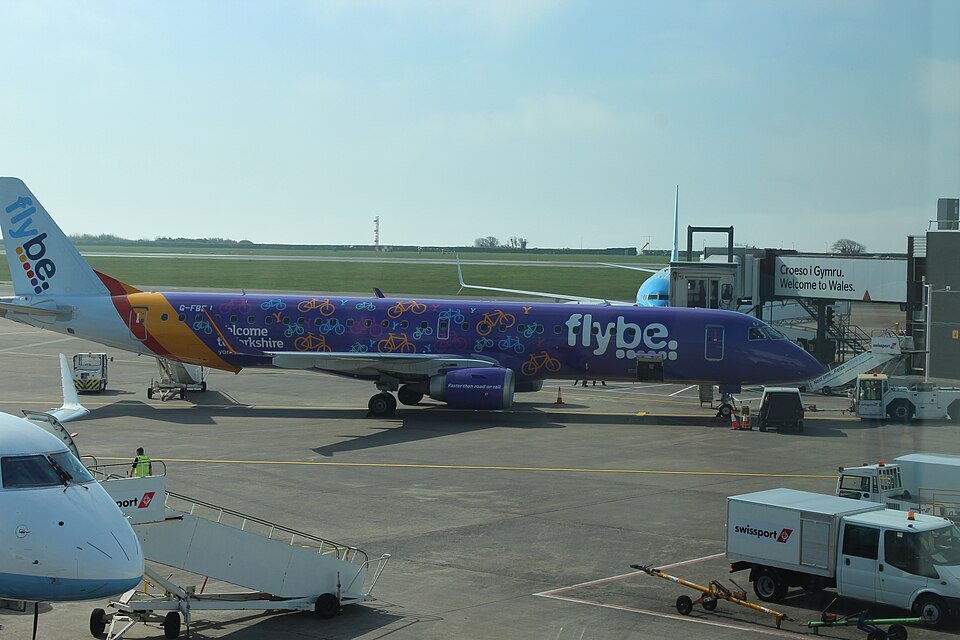
A technical fault in the flight‑data processing system used by the United Kingdom’s air‑traffic‑control provider Nats forced the cancellation of up to 1,000 flights on Tuesday, leaving tens of thousands of passengers stranded across the country and beyond. Nats chief executive Martin Rolfe told the BBC that the problem, which affected the system that processes flight plans and updates aircraft movements, took longer to resolve than expected, prompting a full investigation. Transport Secretary Heidi Alexander has summoned Rolfe for a Wednesday meeting to answer questions, and she will assure Parliament that a cyber‑attack was “categorically” not to blame. Major carriers felt the impact sharply: EasyJet cancelled around 200 services, British Airways more than 100, and Ryanair reported that over 65,000 of its passengers experienced delays of up to eight hours. Heathrow, one of Europe’s busiest hubs, halted departures around lunchtime, briefly resumed, then suffered further disruption as inbound traffic filled the limited available space, forcing thirteen flights bound for the airport to divert elsewhere.
The glitch’s repercussions extended beyond departures, curtailing arrivals as ground capacity became saturated and creating a cascading backlog that will linger even after the processing system is restored. Airports in Scotland and Ireland also reported disruptions, and the worst‑affected UK airports according to FlightRadar24 were Heathrow, Gatwick, Manchester and Birmingham. Passengers described long waits on the tarmac, such as a Gatwick traveler who was told the radar was down and heard pilots update every twenty minutes, and a 18‑year‑old from Cambridgeshire who sat on a Virgin Atlantic flight at Heathrow with no gate available. Ryanair and Wizz Air have renewed calls for an overhaul of Nats, with the latter branding the provider “not fit for purpose” in its current form. Rolfe, when asked about his future, deflected, saying there would be “lots of time for that later” and that his priority was fixing the issue.
Airlines and airports are now urging travelers to verify flight details before heading to terminals, as call centres are overwhelmed and further knock‑on effects are expected. British Airways warned of additional cancellations and diversions, asking customers to avoid the airport and be patient with communications. The Transport Secretary emphasized that normal operations will take time to resume and demanded assurances that lessons are learned and aviation support systems are robust. While Nats clarified that the fault involved a different system from the one that failed during the August 2023 Bank Holiday incident, the current disruption highlights the fragility of the UK’s air‑traffic infrastructure and raises questions about the adequacy of existing contingency measures.
⚡ Effects Interpreter
🌍World Economy
- ▶Trade ties might tighten or loosen as the numbers sink in.
- ▶Forecasters often revise their outlook when data like this lands.
🏙️Local Economy
- ▶Prices at the pump and the supermarket often trail moves like this.
- ▶Local shops that rely on imports might subtly reset their price tags.
🏦Rates & Banks
- ▶Any move in rates would probably come later, not overnight.
- ▶Interest rates and mortgage bills are unlikely to jump straight away from this alone.
❤️Health
- ▶Neighbours and families could feel more anxious until the dust settles.
- ▶Looking after mental health is worth it when headlines feel heavy.
💷Wealth
- ▶It could be worth a quick look at your ISA or pension in the coming days.
- ▶Nest eggs can wobble briefly before finding their footing again.
🏠Housing
- ▶First-time buyers might keep half an eye on mortgage rates after this.
- ▶Any effect on bricks and mortar is likely to be slow and modest.