North Korea and Russia open first road bridge linking both countries
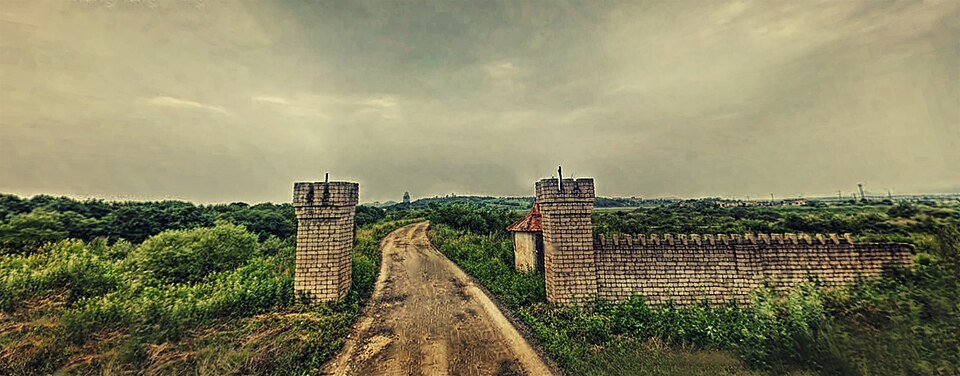
The first permanent road bridge spanning the Tumen River between Russia and North Korea was inaugurated, creating a direct vehicular link that can accommodate up to 300 vehicles and 2,323 people each day. Russian Prime Minister Mikhail Mishustin hailed the structure as a “new symbol of friendship,” while North Korean Prime Minister Pak Thae Song called the opening a “historical event.” The bridge, a kilometre‑long span completed in 495 days after construction began in 2025, replaces a makeshift crossing that relied on wooden planks laid on the existing rail bridge. Satellite images released by the BBC in May showed the bridge together with new access roads, a border checkpoint, parking facilities and supporting infrastructure. Russian officials said cargo traffic would begin immediately, with passenger services slated for later in the year, and both governments promised the crossing would boost trade, scientific, technological and cultural cooperation.
Analysts and open‑source investigators stress that the bridge’s strategic value extends far beyond civilian exchange. Ukrainian OSINT group Truth Hounds described it as a “covert military logistics corridor” designed to facilitate the flow of North Korean troops, construction workers, senior military officials and weaponry to support Russia’s war in Ukraine. South Korean intelligence estimates that North Korea has already supplied $7‑14 billion worth of rockets, missiles and artillery shells to Russia via maritime routes, and that roughly 11,000 North Korean soldiers are fighting alongside Russian forces. The bridge also promises a more efficient route for the estimated 10,000 North Korean laborers who work in Russian construction sites and logging camps, many of whom enter under student‑visa pretenses despite UN bans on North Korean labor.
The opening signals a deepening of the Russia‑North Korea partnership that was formalized in a 2024 strategic treaty following President Putin’s first visit to Pyongyang in 24 years. Observers such as CSIS’s Victor Cha note that the new link transforms what was once a “sleepy” connection into a critical conduit for military and economic support, potentially accelerating the supply of arms and personnel to the front lines in Ukraine. The bridge’s existence may also encourage a modest increase in Russian tourism to North Korean destinations like Pyongyang and the Wonsan‑Kalma resorts, though access for other nationalities remains restricted. As the infrastructure becomes fully operational, its impact on regional security dynamics and the enforcement of international sanctions against North Korean labor and arms transfers will be closely monitored.
⚡ Effects Interpreter
🌍World Economy
- ▶Economies far from the headline can still catch the aftershocks.
- ▶Markets around the world may take their cue from how this story unfolds.
🏙️Local Economy
- ▶Everyday costs in your town may drift as the wider economy reacts.
- ▶Small businesses nearby might tweak their prices in the weeks ahead.
🏦Rates & Banks
- ▶Borrowing costs could hold steady for now, but they can turn on fresh news.
- ▶Your loan or mortgage rate is more likely to drift than to lurch here.
❤️Health
- ▶Neighbours and families may feel more anxious until the dust settles.
- ▶Looking after mental health is worth it when headlines feel heavy.
💷Wealth
- ▶Savings and portfolios can see short-lived ups and downs after news like this.
- ▶It could be worth a quick look at your ISA or pension in the coming days.
🏠Housing
- ▶Any effect on bricks and mortar is likely to be slow and modest.
- ▶House prices and rents are unlikely to shift the moment this news breaks.