Oil price rise creates more pressure on UK policymakers before budget
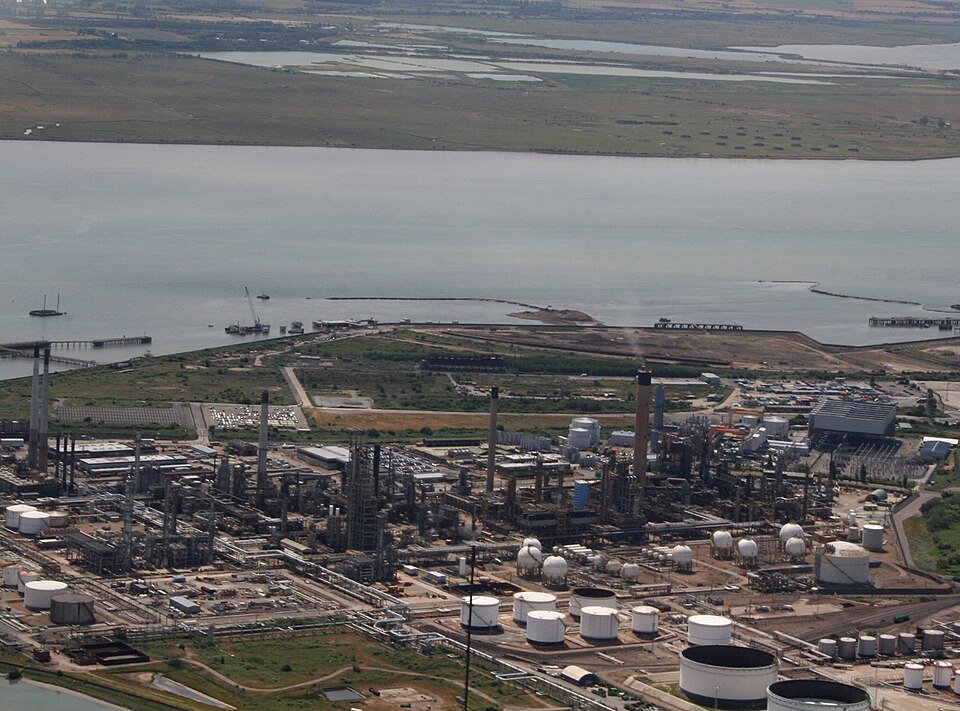
Oil prices surged on Thursday, with Brent crude climbing almost 5% to $108 a barrel after reports of intensified fighting between Saudi Arabia and Houthi forces, intensifying pressure on UK policymakers ahead of Chancellor John Healey’s budget next month. Treasury officials acknowledge that the sharp rise in oil and gas costs leaves “less room” for fiscal manoeuvre than a month ago, prompting rapid work on options to shield consumers if high energy prices persist and drive a steep increase in the quarterly energy price cap slated for January. While any relief package is expected to fall short of the across‑the‑board subsidies introduced by former Prime Minister Liz Truss in 2022, the Treasury is weighing measures such as shifting green subsidies into general taxation, following Labour’s Rachel Reeves, or targeting assistance to the poorest households, though officials doubt the efficacy of the latter approach.
The spike in oil prices is feeding through to broader financial markets, prompting a global bond sell‑off that is raising the UK’s borrowing costs. The yield on 10‑year gilts rose to 5.39% on Thursday, edging close to the 19‑year high recorded the previous week, and pushing up the cost of government borrowing. This surge in yields has erased more than half of the £24 billion fiscal “headroom” that Labour built into its OBR forecasts at the spring statement, narrowing the buffer that Healey has pledged to maintain. Higher yields also amplify the impact of any future interest‑rate hikes; the Bank of England, after holding rates at 3.75%, warned that a prolonged energy price shock could force further tightening, a view echoed by Monetary Policy Committee members Clare Lombardelli and Sarah Breeden, who cautioned that persistent high energy costs could trigger second‑round inflation effects and necessitate policy response.
The tightening financial environment is set to shape the upcoming budget and broader economic policy. With the energy price cap expected to rise by up to 24% in the new year, households face higher utility bills just as the Labour‑led Greater Manchester mayor, Andy Burnham, has promised “breathing space” through a VAT cut on electricity. Meanwhile, the bond market’s reaction to the Middle‑East conflict and concerns over US fiscal discipline—evidenced by 10‑year US Treasury yields hitting 5.17%, their highest since 2007—adds to the uncertainty surrounding UK fiscal planning. Analysts suggest that rebuilding the fiscal buffer to its pre‑sell‑off level would likely require substantial tax hikes or spending cuts, though Treasury sources indicate the budget will remain narrowly focused. The confluence of soaring oil prices, rising borrowing costs, and looming interest‑rate pressures underscores the limited policy space available to the UK government as it seeks to balance consumer relief with adherence to Labour’s fiscal rules.
⚡ Effects Interpreter
🌍World Economy
- ▶Forecasters often revise their outlook when data like this lands.
- ▶Currency desks typically move first, long before economists publish anything.
🏙️Local Economy
- ▶Your take-home pay may feel an indirect pull from shifts like this.
- ▶Household bills might drift in step with the bigger economic picture.
🏦Rates & Banks
- ▶Central banks watch moments like this closely, so keep an eye on savings rates.
- ▶Lenders typically reserve big rate moves for clearer economic signals.
❤️Health
- ▶Day-to-day stress can creep up if this starts touching familiar routines.
- ▶A little perspective usually helps once the initial shock fades.
💷Wealth
- ▶Time in the market usually matters more than timing the market around this kind of news.
- ▶Your pension or investments might sway a touch as markets digest this.
🏠Housing
- ▶Landlords and tenants alike rarely feel sudden shifts from news like this.
- ▶The housing market has a habit of lagging behind the headlines.