Overcooked? Why robotic pizza makers are failing
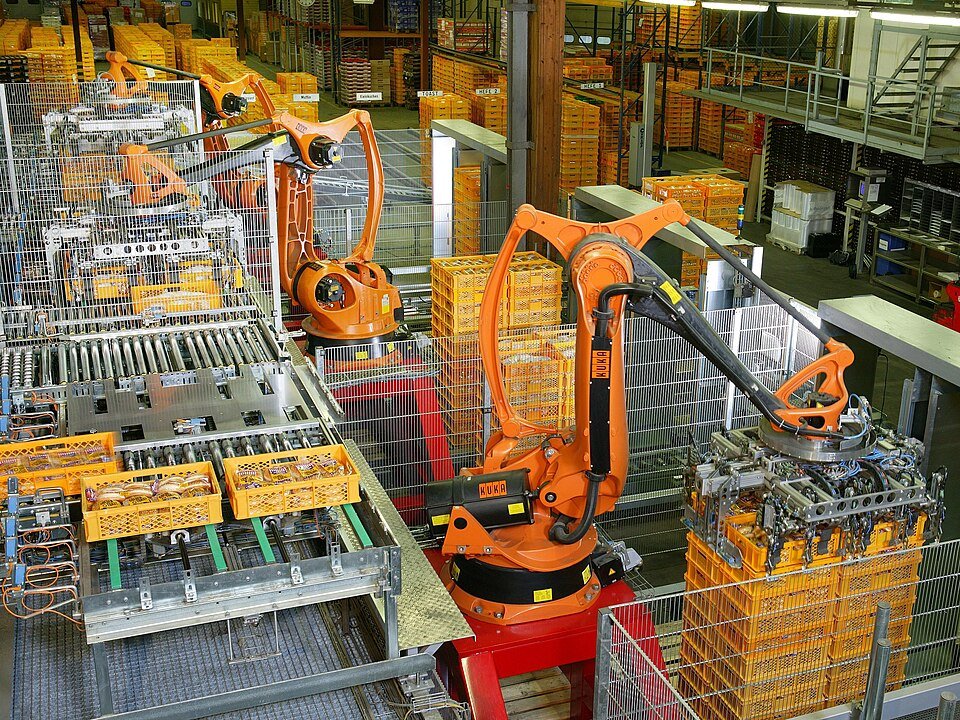
A pair of robotic pizza‑making machines that were installed at Moto Pizza in Seattle have been rendered inoperable after their supplier, Picnic, abruptly shut down in May, leaving founder and chief executive Lee Kindell with $160,000 worth of idle equipment and no technical support. The failure of the “dough feeder,” sauce and cheese modules, and pepperoni‑sprinkler has shaken Kindell’s confidence in partnerships with robot vendors, prompting him to question whether investing in pizza‑making bots is worthwhile. Despite the setback, Kindell remains committed to full automation, envisioning a kiosk where customers place an order and a fresh pizza is produced, and is now developing his own 3‑D‑printer‑inspired square‑pan pizza robot, which he hopes to have operational by summer 2027.
The broader robotics‑pizza sector has been plagued by a series of collapses, with companies such as Zume, Pazzi, and Basil Street disappearing after promising but unfulfilled automation solutions. Analysts note that the technology often proves clumsy, misplacing ingredients and failing to match the efficiency of human workers, while also raising concerns about the loss of entry‑level hospitality jobs. Sara Senatore, senior restaurants analyst at Bank of America, observes that no success stories have materialised as expected, and that human pizza makers remain more reliable. Nonetheless, some installations have demonstrated speed gains; at Seattle’s T‑Mobile Park, Kindell’s robots reduced the staff needed to make pizza from ten to two, while the remaining employees shifted to customer‑facing roles, increasing overall service speed.
Other firms continue to push the limits of speed and consistency. At John Glenn Columbus International Airport, Canadian company Appetronix operates a 24/7 robotic unit for Donatos, aiming to produce a pizza every minute and experimenting with ultra‑fast sauce‑dispensing methods and laser or ultrasound slicing. The drive for repeatable, uniform products pits chain‑oriented automation against artisanal concepts that prioritize human interaction, a divide highlighted by Paul Giannone of Paulie Gee’s, who vowed never to use robots. Senatore adds that human presence may be an even more critical factor today, suggesting that the future of pizza will be shaped by how businesses balance technological efficiency with the experiential value of human service.
⚡ Effects Interpreter
🌍World Economy
- ▶Forecasters often revise their outlook when data like this lands.
- ▶Ripples from this can reach factories and ports far away.
🏙️Local Economy
- ▶Prices at the pump and the supermarket often trail moves like this.
- ▶Local shops that rely on imports might subtly reset their price tags.
🏦Rates & Banks
- ▶Savers might glance at their account rate — lenders adjust after big events.
- ▶Any move in rates would probably come later, not overnight.
❤️Health
- ▶Unsettling news can weigh on sleep and mood, so peace of mind matters.
- ▶Neighbours and families may feel more anxious until the dust settles.
💷Wealth
- ▶Savings and portfolios can see short-lived ups and downs after news like this.
- ▶It might be worth a quick look at your ISA or pension in the coming days.
🏠Housing
- ▶Home costs usually respond later, once the bigger picture settles.
- ▶First-time buyers might keep half an eye on mortgage rates after this.