✓ Independently verified by 3 news sources
Remote and Hybrid Work Settles Into Lasting Norm
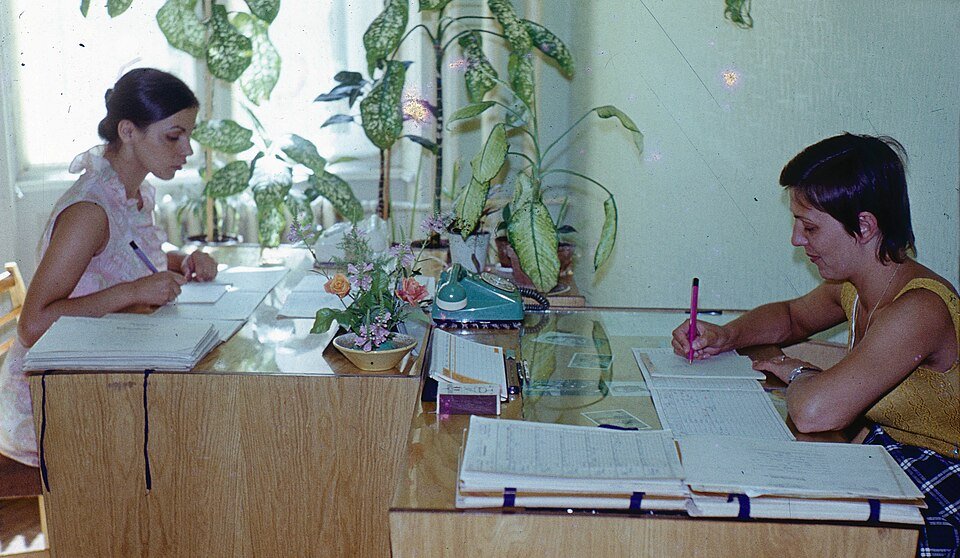
Flexible working has stabilised as a permanent feature of the labour market, reshaping cities and commuting.
Surveys show remote and hybrid arrangements have become an enduring norm for many roles, changing commuting patterns and office demand.
Employers are redesigning workplaces and policies, balancing flexibility with collaboration and fairness across roles.
⚡ Effects Interpreter
🌍World Economy
- ▶Flexible work reshapes global demand for offices, transport and technology.
- ▶Talent can be hired across borders more easily, widening labour markets.
🏙️Local Economy
- ▶City-centre businesses adjust as commuting patterns change.
- ▶Suburban and local economies can benefit from home-based workers.
🏦Rates & Banks
- ▶Shifts in commercial property demand can affect lending to that sector.
- ▶Flexible work has no direct effect on consumer rates.
❤️Health
- ▶Flexibility can improve work-life balance and reduce commuting stress.
- ▶Isolation and blurred boundaries can, however, harm some workers' wellbeing.
💷Wealth
- ▶Reduced commuting costs can boost household disposable income.
- ▶Changing office demand affects commercial-property investments.
🏠Housing
- ▶Home-working raises demand for properties with space to work.
- ▶Flexibility can weaken the premium on homes near city-centre offices.