Riyadh airport strike kills 12, Saudi Arabia threatens 'decisive' response
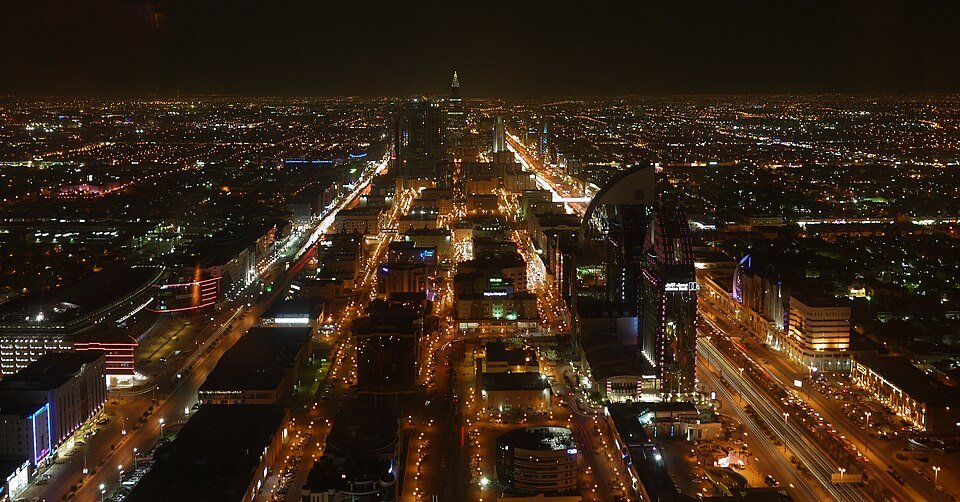
A missile strike on King Khalid International Airport in Riyadh on Saturday killed twelve people and injured more than three hundred, making it the deadliest attack on Saudi soil in a decade. The victims included four Saudi nationals and a diverse group of foreigners—two Bangladeshis, a U.S. citizen, an Egyptian, a Jordanian, a Syrian, a Palestinian and a Sudanese—according to the Saudi civil aviation authority. The coalition that backs the Saudi‑backed Yemeni government blamed the Iran‑backed Houthi rebels for the assault, labeling it a “full‑fledged war crime” and vowing a “decisive” response. Operations at the airport were halted, damage assessments began, and a rare mass call‑up of doctors was activated to treat the wounded, among whom were several pilgrims traveling to Mecca.
The strike occurred amid an unprecedented wave of Houthi attacks on Saudi territory since the truce that had held between the Yemeni factions collapsed in July, reigniting a broader regional conflict that has already disrupted energy markets. The coalition reported having intercepted other missiles and destroyed launch platforms in recent days, while the Houthis claimed a series of attacks on the airport earlier in the week but did not immediately claim responsibility for Saturday’s deadliest hit. The escalation follows a renewed Saudi‑backed offensive in Yemen’s Bab al‑Mandab area, a strategic chokepoint for Red Sea shipping, and coincides with the start of Saudi Arabia’s high‑profile convention and entertainment season, a period that typically draws international business leaders and investors to Riyadh.
International reactions were swift. U.S. President Donald Trump said the attack was “not acceptable” and hinted that the United States might join Saudi military action, though previous Saudi requests for U.S. assistance had been rebuffed. Embassies from the United States, Canada, Germany and Spain warned their citizens to avoid the airport, and a senior Western diplomat reported that several missions would ban staff from using it for the coming week. Pakistan’s prime minister condemned the “heinous attack” and reaffirmed the defence pact with Saudi Arabia. In Saudi Arabia, schools switched to remote learning for a week, and the incident has raised concerns about further escalation in a conflict that has already drawn in multiple regional and global powers.
⚡ Effects Interpreter
🌍World Economy
- ▶Cross-border money flows can quietly change direction after events like this.
- ▶International capital can shift direction faster than headlines suggest.
🏙️Local Economy
- ▶Neighbourhood traders often adjust subtly rather than all at once.
- ▶Family budgets close to home might absorb a modest, slow-moving effect.
🏦Rates & Banks
- ▶Financial markets sometimes overreact to rate speculation before banks even respond.
- ▶The next rate-setting meeting is a more likely trigger than this news alone.
❤️Health
- ▶Day-to-day stress can creep up if this starts touching familiar routines.
- ▶It's easy to underestimate how much stories like this weigh on people.
💷Wealth
- ▶Diversified savings usually cushion the blow from stories like this.
- ▶Nest eggs can wobble briefly before finding their footing again.
🏠Housing
- ▶Anyone mid-purchase might want to keep an eye on how this unfolds.
- ▶Housing supply and demand rarely turn on a single piece of news.