Shots heard as police start moving migrants from Ceuta beaches
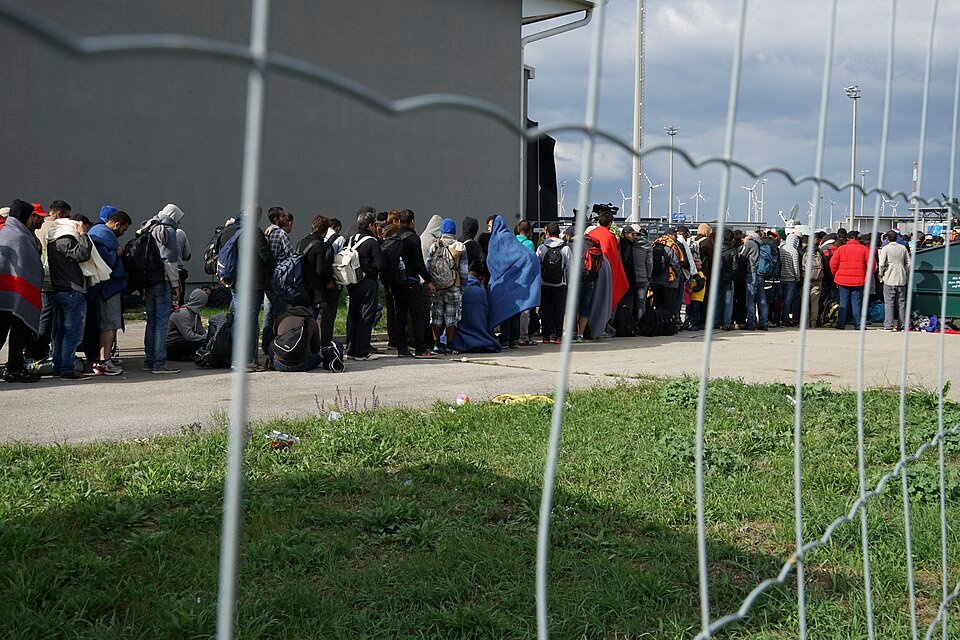
Police fired warning shots on Friday morning as they began moving hundreds of migrants from the beaches of Ceuta to a new tented camp in the city’s port area. The operation, which started at about 07:00 local time, involved more than 170 officers, including drone technicians, and aimed to transfer over 3,000 migrants along a designated 2‑kilometre route. Video showed young men sprinting in the darkness as police tried to keep the crowd contained, and some migrants broke through the cordon before the situation was quickly brought under control. The new camp can accommodate 1,700 people; after weeks of living on the shoreline, several hundred migrants have already arrived, while authorities estimate that roughly 13,000 remain in the enclave, a figure disputed by the Spanish central government.
The relocation is part of a broader governmental effort to concentrate migrants in facilities where they can be identified, cared for, and have their administrative status determined individually. The influx, which began in late July when 72,000 migrants breached the border from Morocco, followed a Supreme Court ruling that barred the summary return of migrants intercepted at sea. Social‑media calls and misinformation about the crossing, coupled with offers to assist migrants for large sums, spurred the mass movement, resulting in at least 100 deaths during the crossing. The crisis has intensified local safety concerns, with residents destroying shelters and blocking aid, and has drawn sharp criticism of Prime Minister Pedro Sánchez, who faces accusations that his government ignored intelligence warnings of a coordinated crossing.
The chaotic scenes have amplified political tension in Spain, with opposition parties blaming Sánchez for the “invasion” and accusing him of prior knowledge, while the prime minister points to trafficking gangs and hoaxes as the cause. The episode also strains Spain’s diplomatic relations: Sánchez is contending with Italy over recently extended temporary border controls and seeks to preserve ties with Morocco, a key partner in managing migration. Ceuta’s mayor, Juan Jesús Vivas, described the city as a “pressure cooker,” noting that residents have lost their joy and daily life has been dramatically altered. The ongoing relocation and the broader humanitarian and administrative challenges underscore the complexity of the crisis and its impact on both the migrant population and the local community.
⚡ Effects Interpreter
🌍World Economy
- ▶Global supply chains might feel a small tremor as businesses adjust.
- ▶Overseas suppliers could quietly rethink their pricing after this kind of news.
🏙️Local Economy
- ▶Your local economy has a way of catching these currents eventually.
- ▶Community shops could gradually reprice stock as costs shift upstream.
🏦Rates & Banks
- ▶Fixed and variable borrowers alike might want to keep half an eye on this.
- ▶Savings rates can lag behind news like this by weeks, not days.
❤️Health
- ▶Local health services might get busier depending on how things develop.
- ▶Local wellbeing services are there precisely for moments when news feels overwhelming.
💷Wealth
- ▶A quiet review of where your savings sit rarely does any harm.
- ▶It might be worth a quick look at your ISA or pension in the coming days.
🏠Housing
- ▶A slow-moving market like housing rarely reacts overnight.
- ▶Buyers and renters may notice only a mild drift, if anything at all.