SHRM service dog trial begins — with plaintiff’s dog by her side
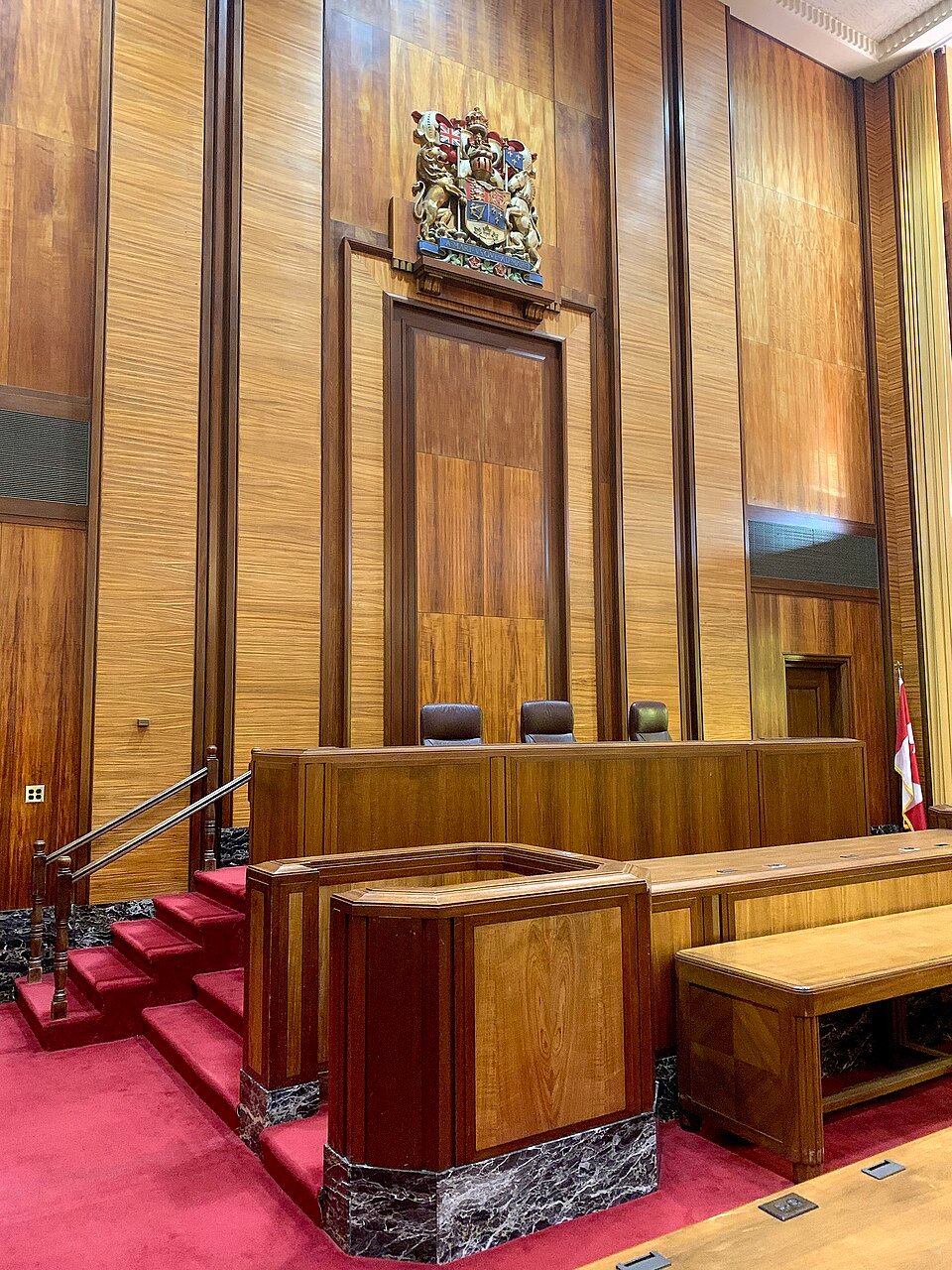
The trial began Tuesday in Alexandria, Virginia, as the Society for Human Resource Management (SHRM) faced a second jury trial in less than a year over a discrimination claim brought by former job applicant Maria Torres. Torres alleges that after being offered a senior specialist position in SHRM’s product‑management department in June 2024, the organization withdrew the offer when she requested that her service dog be allowed in the office as a reasonable accommodation for her Type 1 diabetes. Her complaint notes that the dog, which has helped prevent life‑threatening hypoglycemic blackouts—reducing incidents from roughly ten a year to one over the past eight years—was essential to her ability to work safely. Torres sued under the Americans with Disabilities Act (ADA) and the Virginia Human Rights Act, asserting that SHRM’s refusal to accommodate violated both statutes.
The case hinges on whether SHRM engaged in a good‑faith interactive process or unilaterally imposed a “my way or the highway” stance, as the company claimed in its denied motion for summary judgment. SHRM argued that Torres rejected alternative accommodations it proposed, failed to provide medical documentation linking her disability to the job’s essential functions, and therefore bore responsibility for the breakdown in negotiations. The court rejected SHRM’s motion, finding a genuine dispute of material facts, and allowed Torres to bring her service dog and a glucose‑monitoring smartphone to the courtroom. Notably, SHRM’s filings cited “undue hardship” as a defense but did not elaborate on specific concerns such as coworker allergies or lease restrictions, and the organization admitted it had not communicated any concrete hardship related to the dog’s presence.
The trial follows a recent $11.5 million jury verdict against SHRM for racial discrimination and retaliation, a decision the firm is currently appealing and which has strained its relationship with its liability insurer. Observers, including former HR Besties podcast co‑host Ashley Herd, point to SHRM’s deviation from its own accommodation policies—escalating the matter directly to the chief human resources officer instead of using the standard HR form and designated personnel—as a procedural misstep that may exacerbate legal exposure. The outcome of Torres’s case could further impact SHRM’s reputation, financial liability, and internal handling of disability accommodations, underscoring the broader lesson that organizational responses to accommodation requests can significantly influence both litigation risk and public perception.
⚡ Effects Interpreter
🌍World Economy
- ▶Cross-border money flows can subtly change direction after events like this.
- ▶International capital can shift direction faster than headlines suggest.
🏙️Local Economy
- ▶Contractors and freelancers in the field may feel this before staff do.
- ▶Job hunters should check whether openings in the sector are affected.
🏦Rates & Banks
- ▶A modest drift in borrowing costs is more plausible than a sharp jump.
- ▶The next rate-setting meeting is a more likely trigger than this news alone.
❤️Health
- ▶Community spirit often steadies nerves when headlines feel unsettling.
- ▶Support networks, formal or informal, tend to matter most in moments like this.
💷Wealth
- ▶Uncertain work usually means postponing big financial decisions for a while.
- ▶Building a financial buffer now beats scrambling for one down the road.
🏠Housing
- ▶Rental yields in the area may shift only slightly, if at all, from this.
- ▶Buyers and renters might notice only a gentle drift, if anything at all.