Spain and Morocco reinforce border amid fears of fresh Ceuta migrant surge
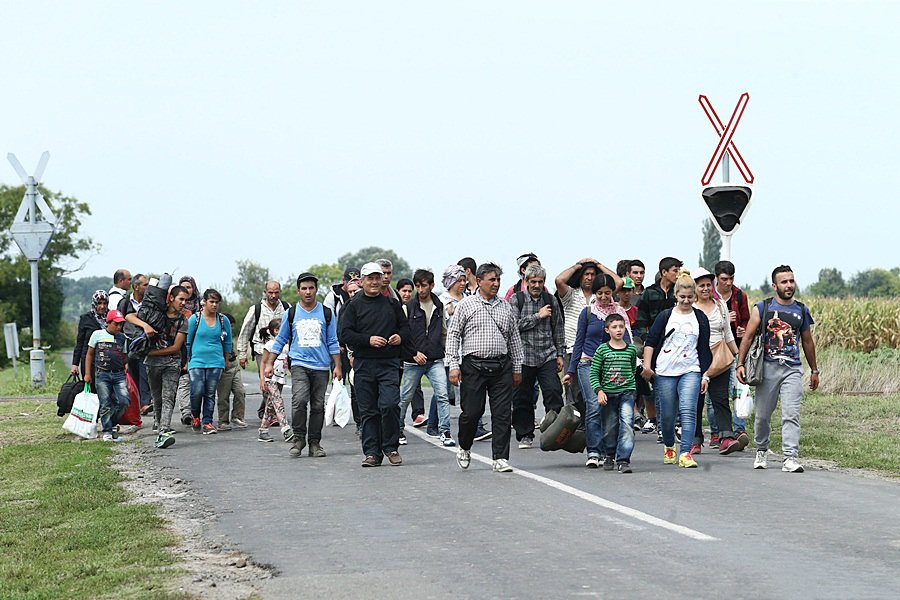
Thousands of Spanish and Moroccan security officers have been deployed to reinforce the borders of Ceuta, a Spanish exclave in North Africa, amid fears of a fresh migrant surge. The move comes after online messages spread calling for a new mass incursion into the exclave on August 15, a national holiday in Spain. This follows last month's unprecedented arrival of 72,000 migrants into the city, which prompted authorities in Madrid and Rabat to work together to prevent a repeat of the incident. Moroccan Interior Ministry Spokesperson Rachid El Khalfi confirmed that the country is taking all necessary measures to counter any attempt at illegal crossing, while Spanish Interior Minister Fernando Grande-Marlaska traveled to Ceuta to inspect border infrastructure and a new sea barrier designed to keep people from swimming into the city.
The buildup of security personnel in Ceuta is a significant development, with an additional 300 police officers and 2,000 soldiers deployed to the exclave's borders. According to Grande-Marlaska, the reinforcement is aimed at dissuading anyone who aspires to enter Ceuta and Melilla irregularly, with a clear message that none of them will remain in Ceuta, make it to the Iberian Peninsula, or be given legal status. The situation has also drawn attention from other European countries, with Austria's conservative Europe, Integration and Family Minister Claudia Bauer demanding that Madrid immediately and significantly reinforce border protection in its African enclaves. Similarly, Italian Prime Minister Giorgia Meloni's government cited the possibility of a mid-August mass arrival while justifying its decision to maintain border checks on travelers from Spain. The coordinated response from Spanish and Moroccan authorities reflects the gravity of the situation and the need for a joint approach to address the migration challenge.
The potential for a new mass crossing has significant implications for the region and beyond. The rumored August 15 surge has been cited by critics of Spain's migration policies, highlighting the need for effective border management and cooperation between countries. As the situation unfolds, it is likely that the European community will be watching closely, given the potential for a large-scale migrant influx to impact regional stability and security. With the additional security measures in place, the authorities are well-prepared to handle any potential incident, but the long-term solution to the migration challenge will require sustained cooperation and a comprehensive approach that addresses the root causes of migration. The reinforcement of Ceuta's borders is a critical step in preventing a repeat of last month's incident, and the outcome will be closely monitored by governments and observers across Europe.
⚡ Effects Interpreter
🌍World Economy
- ▶Shifts in government policy can ripple into business confidence and investment.
- ▶Changes at the top could reshape trade deals and diplomatic ties.
🏙️Local Economy
- ▶The high street usually mirrors big-picture shifts, just a little later.
- ▶Household budgets might notice a small ripple in due course.
🏦Rates & Banks
- ▶Political uncertainty often nudges central banks to sit tight on rates.
- ▶Currencies can react fast to political news — the pound or dollar might move.
❤️Health
- ▶Unsettling news can weigh on sleep and mood, so peace of mind matters.
- ▶Neighbours and families might feel more anxious until the dust settles.
💷Wealth
- ▶Any hit to your money is more likely a ripple than a wave.
- ▶Investors often reshuffle their holdings when stories like this break.
🏠Housing
- ▶Home costs usually respond later, once the bigger picture settles.
- ▶First-time buyers might keep half an eye on mortgage rates after this.