Spanish PM Sánchez calls early election after housing protests
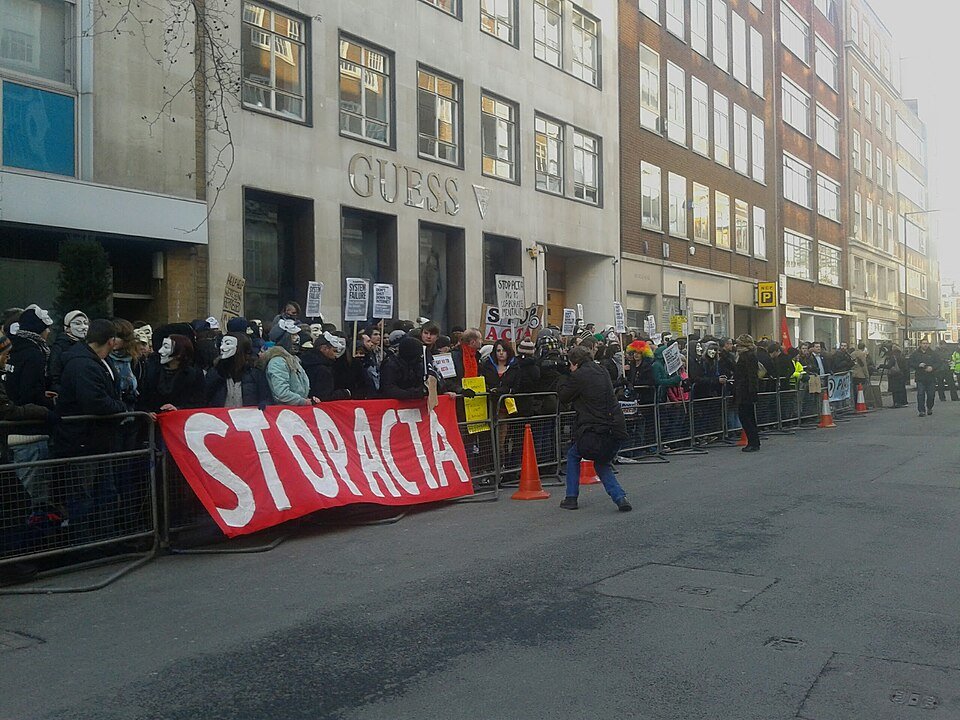
Spanish Prime Minister Pedro Sánchez announced a snap election for 29 November after his minority government suffered defeats on two decree laws intended to curb Spain’s housing crisis. The legislation, which sought to suspend evictions of vulnerable tenants, extend lease terms and curb “vulture fund” purchases of residential property, was rejected by parliament, prompting Sánchez to claim he needed “a broader progressive majority” to overcome elite resistance. The trigger for the political crisis was the high‑profile eviction of 87‑year‑old Maricarmen Abascal in Madrid, where a legal loophole allowed her rent to jump from €500 to €2,650 before being reduced to €1,650—still well above her pension—leading to nationwide protests and a symbolic rallying point for tenant activists.
The housing dispute sits amid a broader set of challenges for Sánchez’s left‑wing coalition, which comprises the Socialist Party and the junior Sumar alliance but lacks a parliamentary majority. In recent months the government has been beset by corruption scandals, including charges against Sánchez’s wife Begoña Gómez, a police raid on the Socialist headquarters over alleged misinformation payments, and the 24‑year prison sentence handed to former transport minister José Luis Ábalos for Covid‑19 mask‑sale kickbacks. Coupled with cost‑of‑living pressures, immigration concerns over the Ceuta crisis, and a string of tenant protests that saw tens of thousands march in Madrid, Valencia and Barcelona, the failed housing reforms highlighted the coalition’s fragility and its inability to pass key measures without broader support.
Opposition leader Alberto Núñez Feijóo of the People’s Party welcomed the election, framing it as a decisive moment for Spaniards to choose between “decline or change” and warning that the vote would not be “just another election.” Polls suggest the conservatives are poised to become the largest party but would still require backing from the far‑right Vox to form a government. The upcoming ballot, originally scheduled for no later than summer 2027, now looms as a pivotal test of Sánchez’s political survival, the electorate’s appetite for reform, and the future direction of Spain’s housing policy and broader socio‑economic agenda.
⚡ Effects Interpreter
🌍World Economy
- ▶Export-heavy economies may see demand wobble as buyers wait and watch.
- ▶Distant markets sometimes move on rumour before the facts even settle.
🏙️Local Economy
- ▶High street footfall and spending can shift subtly after news like this.
- ▶The knock-on for local trade is usually gradual rather than sudden.
🏦Rates & Banks
- ▶Banks generally prefer a wait-and-see approach before touching their rates.
- ▶Your bank is unlikely to act on this alone, but it will be watching.
❤️Health
- ▶Support networks, formal or informal, tend to matter most in moments like this.
- ▶Keeping a normal routine usually helps steady the nerves during unsettling news.
💷Wealth
- ▶Your overall wealth picture is unlikely to be defined by a single story like this.
- ▶Steady hands usually come out ahead when this kind of news breaks.
🏠Housing
- ▶The property ladder rarely wobbles much from a single piece of news.
- ▶A patient seller usually fares better than one rushing to react to headlines.