Trump administration plans to give ICE officers electric-shock gloves
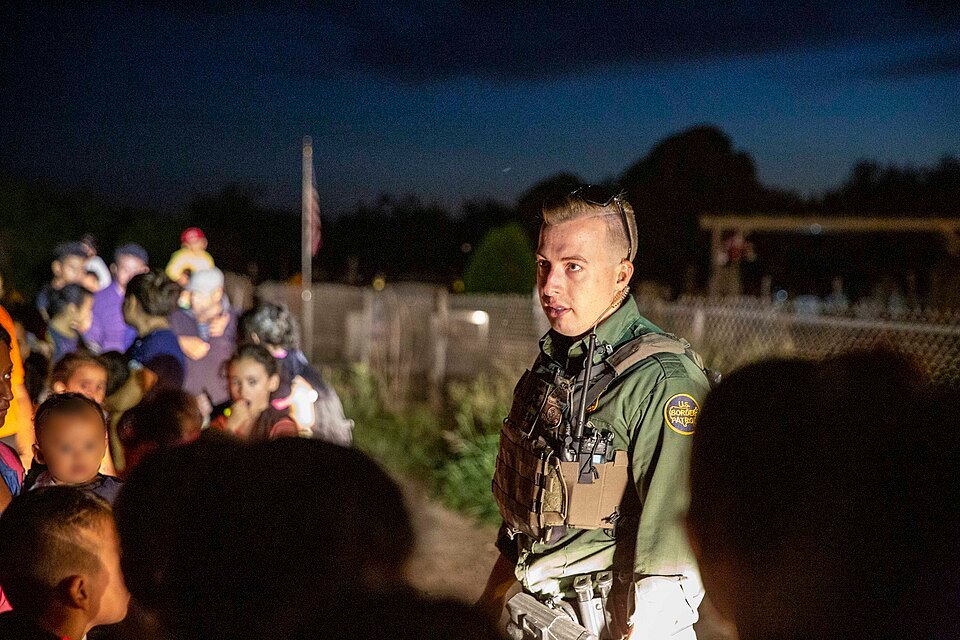
The Trump administration is planning to spend between $10m and $20m on gloves that can deliver electric shocks to equip federal immigration agents, with the Department of Homeland Security estimating the investment by the end of March 2027. The devices, known as the CT-G5 G.L.O.V.E., are designed to "quickly distract with small uncomfortable electrical pulses" when applied to a person's skin, and can deliver a maximum of 380 volts, which "inhibits/distracts the subject from performing coordinated muscle movement". The gloves are to be used by Immigration and Customs Enforcement (ICE) agents within Enforcement and Removal Operations and Homeland Security Investigations for "distraction and de-escalation" purposes. The key figure in this development is the Department of Homeland Security, which oversees ICE and has indicated a requirement for the purchase and distribution of the gloves to its agents.
The planned purchase of electric-shock gloves has sparked criticism and concern among rights advocates, who fear the devices will be used to harm protesters and immigrants in ICE custody. The backdrop to this development is the Trump administration's immigration crackdown, which has led to accusations of racial profiling and excessive force by ICE agents. At least four people have been shot dead during encounters with ICE agents since the start of this year, and dozens more have died in ICE custody. The National Immigration Law Center (NILC) has criticized the anticipated glove purchase, calling it a path to further violence against vulnerable communities, and noting that ICE has an $80 billion budget that allows it to "concoct and fund new ways to visit cruelty upon our communities". The NILC's President, Kica Mantos, has described the plan to arm ICE agents with electric shock gloves as "disgusting and barbaric".
The implications of the planned purchase are far-reaching, with concerns about the potential for misuse and the impact on already vulnerable communities. The manufacturer of the gloves, Compliant Technologies, recommends avoiding use of the device on "higher risk" individuals, including the elderly, small children, pregnant people, and those with severe disabilities, and requires officers to complete a course and be recertified every two years to use the gloves. However, the Department of Homeland Security has offered no immediate response to criticism of the plan, and the founder and CEO of Compliant, Jeff Niklaus, has declined to comment on the subject. The notice for the purchase is listed as a no-bid contract and could be published by Friday, sparking further controversy and debate about the use of electric-shock gloves by ICE agents and the Trump administration's immigration policies.
⚡ Effects Interpreter
🌍World Economy
- ▶Trade and investment between countries could shift a little if things escalate.
- ▶Global supply chains might feel a small tremor as businesses adjust.
🏙️Local Economy
- ▶Small businesses nearby might tweak their prices in the weeks ahead.
- ▶Your weekly shop could get a touch dearer, or cheaper, down the line.
🏦Rates & Banks
- ▶Central banks watch moments like this closely, so keep an eye on savings rates.
- ▶Borrowing costs may hold steady for now, but they can turn on fresh news.
❤️Health
- ▶Local health services could get busier depending on how things develop.
- ▶Unsettling news can weigh on sleep and mood, so peace of mind matters.
💷Wealth
- ▶It may be worth a quick look at your ISA or pension in the coming days.
- ▶Nest eggs can wobble briefly before finding their footing again.
🏠Housing
- ▶The property market tends to move slowly, so expect any change to take time.
- ▶Mortgage deals could edge around if lenders read the wider mood.