Trump faces growing backlash over plans to import diesel from Russia
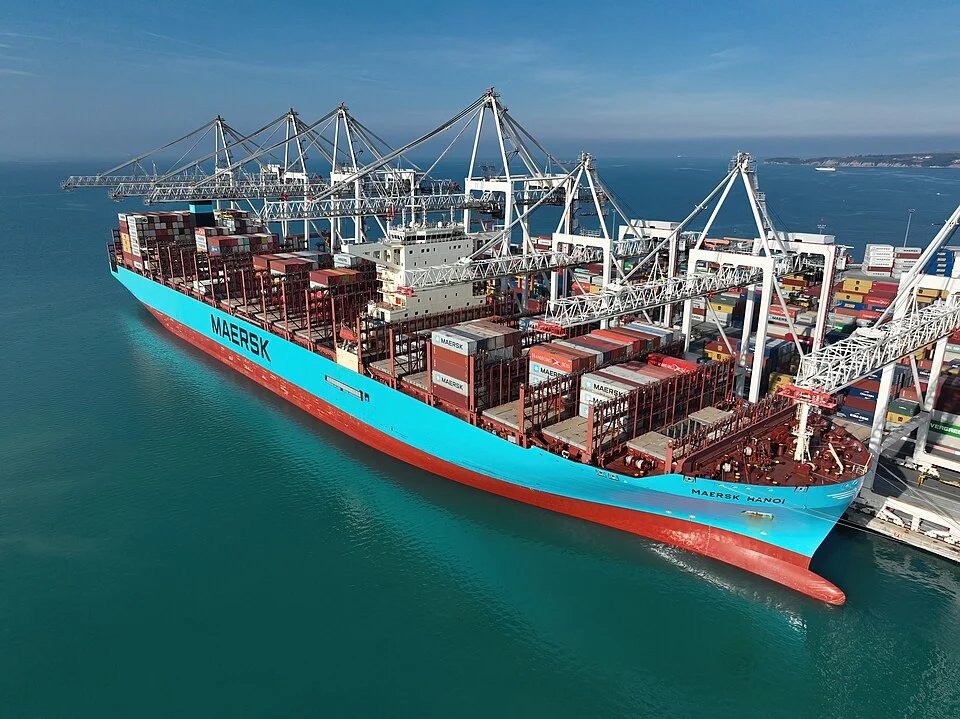
President Donald Trump announced on Friday that Russian President Vladimir Putin had agreed to release an initial 300,000 tonnes of diesel to the American and global markets, with a further 500,000 tonnes slated for November and one million tonnes thereafter, followed by up to three million tonnes “within a short period” depending on the condition of Russian refineries. The deal, revealed just weeks before the U.S. midterm elections, comes despite Trump’s recent signing of legislation that imposes fresh sanctions and tariffs on nations importing Russian oil and gas. Treasury officials are suspending sanctions on Russian diesel exports until 7 April to enable the shipments, though other Russian assets in American banks remain frozen. The move has drawn criticism from a bipartisan group of seven senators—four Republicans (Susan Collins, Lisa Murkowski, Thom Tillis, John Curtis) and three Democrats (Jeanne Shaheen, Richard Blumenthal, Ron Wyden)—who argue the agreement violates the 2022 ban on Russian energy imports and provides a financial lifeline to Putin while his forces continue killing Ukrainian civilians. Ukrainian President Volodymyr Zelensky denounced the arrangement as “a gift to Putin” and an investment in a war that must end.
The diesel deal is framed by Trump as an “energy ceasefire” aimed at lowering fuel costs for Americans, particularly farmers, ranchers, and truckers who have been hit hard by soaring diesel prices that peaked at $6.53 per gallon in September and now sit at $6.28. Rising global fuel costs have been driven by the U.S.–Israel war with Iran, which has disrupted crude oil supplies, making energy an acute political issue ahead of the November midterms. Analysts note that the United States consumes roughly 3.6 million barrels of diesel daily; even the promised 300,000 tonnes (about 2.6 million barrels) would cover only half of a single day’s demand, raising doubts about the deal’s ability to meaningfully ease domestic prices. While some Republicans, such as Rep. Thomas Massie, advocate lifting sanctions on all petroleum products, Treasury Secretary Scott Bessent told Fox News the agreement operates within existing legal channels, countering congressional claims that it breaches the law.
International reaction has been equally critical, with Canadian Prime Minister Justin Trudeau and UK Defence Secretary Wes Streeting urging allies to maintain pressure on Russia rather than facilitate its energy exports. Zelensky welcomed Trump’s claim of an “energy ceasefire” between Moscow and Kyiv but noted the absence of a response from Russia. The bipartisan Senate letter underscores concerns that the deal could undermine the broader strategy of isolating Russia financially, potentially prolonging the conflict in Ukraine. Domestically, the controversy adds to a growing list of economic grievances that pollsters say are eroding Trump’s support ahead of the midterms, as voters in key agricultural states grapple with high diesel costs that affect both farm operations and food distribution. The outcome of this policy gamble will likely influence both the upcoming elections and the United States’ longer‑term approach to energy security and sanctions enforcement.
⚡ Effects Interpreter
🌍World Economy
- ▶International capital can shift direction faster than headlines suggest.
- ▶World markets have a habit of reading between the lines of stories like this.
🏙️Local Economy
- ▶Jobs and trade close to home might feel a soft knock-on effect.
- ▶Family budgets close to home might absorb a small, slow-moving effect.
🏦Rates & Banks
- ▶Rate decisions tend to follow data, not headlines, so patience is the norm.
- ▶Savers might glance at their account rate — lenders adjust after big events.
❤️Health
- ▶Worry has a way of spreading faster than the facts sometimes.
- ▶Talking things through with family or friends can ease the load.
💷Wealth
- ▶A calm head usually serves savers better than a quick reaction.
- ▶Investors often reshuffle their holdings when stories like this break.
🏠Housing
- ▶A patient seller usually fares better than one rushing to react to headlines.
- ▶Surveyors and valuers tend to factor in wider trends gradually, not overnight.