US air force removes all bombers from British military base RAF Fairford
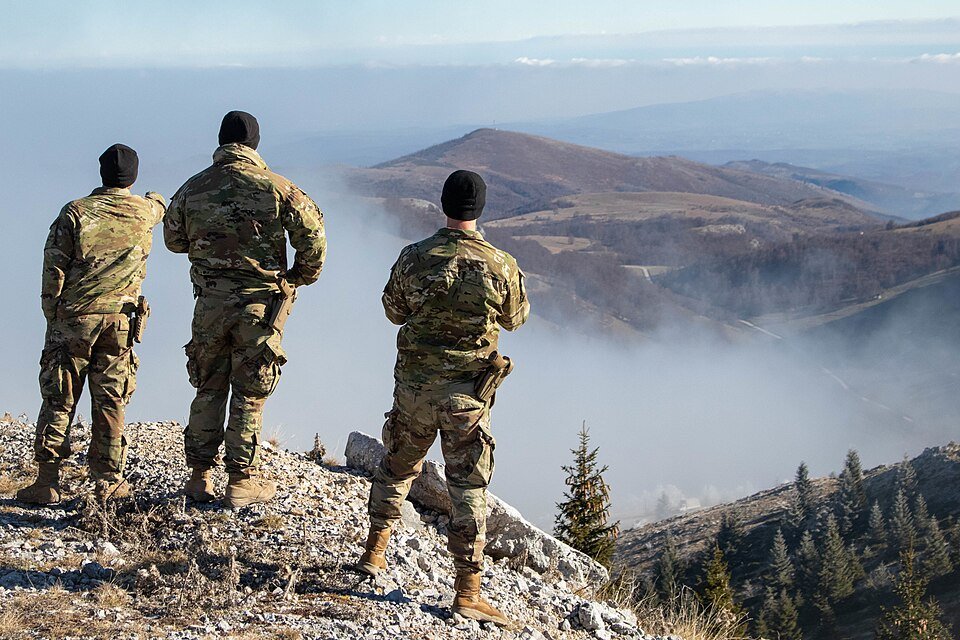
The United States Air Force has pulled all of its bomber aircraft from RAF Fairford, the British airbase in Gloucestershire that has long served as a forward operating location for U.S. strikes in the Middle East. Pentagon officials confirmed that roughly a dozen B‑1 bombers were flown back to their home stations in the United States on Sunday, though no official explanation was offered for the withdrawal. The move follows a major security incident on 27 September when counter‑terror police were alerted to three “suspicious vehicles” near the base, leading to the arrest of five young men—British nationals from London—on suspicion of explosives offences and preparing a terrorist act, and a sixth suspect, a UK‑Iranian, who was later detained and also released on bail. Whitehall sources have not disputed that Washington’s decision was likely a response to the incident, and the BBC has been told it was a military, not political, decision communicated at an operational level to British counterparts.
The incident has heightened tensions over the base’s role in U.S. operations against Iran. In recent months, RAF Fairford has hosted B‑1 and B‑52 bombers launching defensive strikes after the UK approved a U.S. request to use the site for missions targeting Iranian territory. Iran has warned that any base used for aggression against it is a legitimate target, and Prime Minister Andy Burnham later suggested “strong indications” of Iranian involvement, though Tehran denied any role. U.S. officials, including Secretary of State Marco Rubio, hinted that a foreign actor was behind the suspicious activity, while President Donald Trump expressed surprise that the five arrested men were released on bail, emphasizing close U.S.–UK cooperation on the matter.
The removal of the bombers underscores the operational flexibility the Pentagon claims its fleet retains, with B‑1s capable of launching from the continental United States and conducting missions “anywhere, anytime.” These aircraft typically carry precision‑guided “bunker‑busting” bombs and air‑to‑surface missiles designed for hardened Iranian targets, and missions from Fairford can involve 12‑ to 15‑hour round trips with aerial refuelling. While the immediate security threat appears to have been contained, the episode may prompt a reassessment of the base’s use for future strikes, affect NATO‑U.S. strategic planning, and influence diplomatic dialogues with Iran, especially as both sides navigate accusations and denials surrounding the alleged foreign involvement.
⚡ Effects Interpreter
🌍World Economy
- ▶Markets around the world might take their cue from how this story unfolds.
- ▶A story like this rarely stays local for long in a connected economy.
🏙️Local Economy
- ▶High street footfall and spending can shift subtly after news like this.
- ▶Local wages and hours worked could bend slightly with the wider trend.
🏦Rates & Banks
- ▶Your monthly repayments are far more likely to hold steady than to spike.
- ▶Rate decisions tend to follow data, not headlines, so patience is the norm.
❤️Health
- ▶Taking a break from the headlines can do more good than scrolling on.
- ▶Community spirit usually steadies nerves when headlines feel unsettling.
💷Wealth
- ▶Savings and portfolios can see short-lived ups and downs after a story like this.
- ▶Any hit to your money is more likely a ripple than a wave.
🏠Housing
- ▶Buyers and renters may notice only a mild drift, if anything at all.
- ▶Estate agents typically say the market takes weeks to catch up with news.