US and Iran hold first talks since June after Trump's 'annihilation' threat
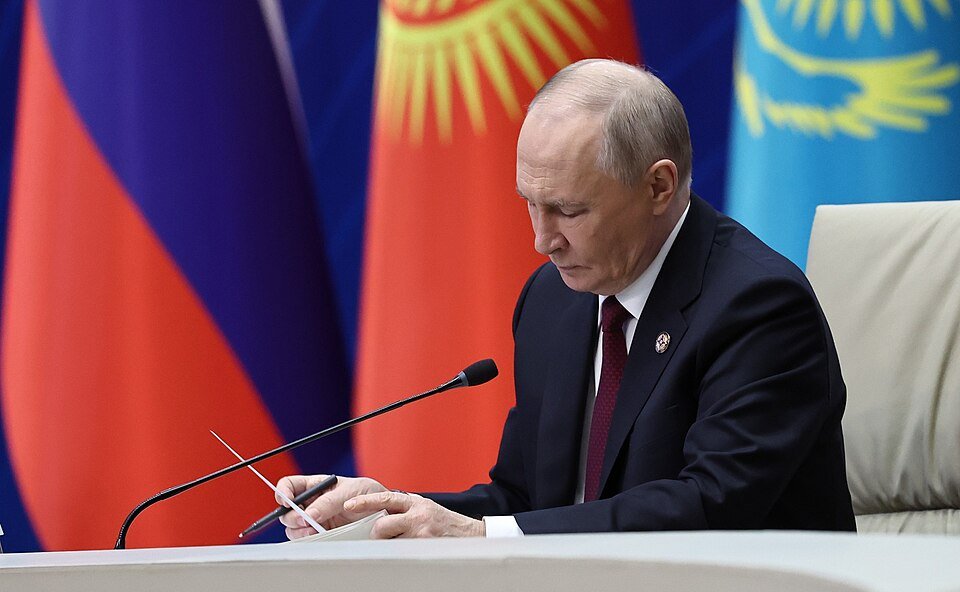
Top Iranian and U.S. officials met at the United Nations in New York for the first round of talks since a June cease‑fire collapsed, with Iran’s foreign minister Abbas Araghchi and the Trump administration’s envoy Steve Witkoff exchanging positions through Qatari mediators. The three‑hour session, described by Witkoff as “very productive,” concluded with both sides completing a round of discussions that they hope will be “constructive and promising,” though no breakthrough was announced. The meeting took place against the backdrop of President Donald Trump’s stark warning at the UN General Assembly that he could “annihilate” the Islamic Republic if a settlement was not reached, a rhetoric that underscored the high‑stakes nature of the negotiations.
The talks occur amid ongoing hostilities that began after the United States and Israel launched air strikes on Iran on 28 February, prompting Tehran to retaliate against Israeli and U.S. installations in the Gulf and to block the Strait of Hormuz. The strait, through which roughly 20 percent of the world’s oil and liquefied natural gas flows, has been intermittently closed, causing sharp fluctuations in global energy prices and intensifying pressure on Trump as the United States heads toward its November congressional elections. Iran’s demands, reiterated through its foreign ministry spokesman Esmail Baghaei, focus on an immediate end to all U.S. “acts of aggression,” the cessation of the war on all fronts, and the lifting of the U.S. blockade of Iranian ports, while the United States continues to threaten sanctions against any nation that trades with Tehran.
While the mediators will keep shuttling between the parties, the conflict remains unresolved, with both sides continuing intermittent fire and attacks on vessels in the Hormuz corridor, and Iran’s allies, including the Houthis in Yemen, escalating assaults on Saudi oil shipments. The United Nations Secretary‑General António Guterres warned of deepening global divisions, contrasting sharply with Trump’s justification of the war as a means to prevent Iran from acquiring a nuclear weapon and his claim that a deal could materialize after the November elections. The outcome of these talks will affect regional stability, global energy markets, and the political calculations of the United States ahead of its midterm elections, while also influencing the broader diplomatic efforts to curb Iran’s support for proxy groups such as Hezbollah in Lebanon.
⚡ Effects Interpreter
🌍World Economy
- ▶Global supply chains might feel a modest tremor as businesses adjust.
- ▶Investors abroad usually reprice their bets when this kind of news lands.
🏙️Local Economy
- ▶The cost of a weekly food shop can creep up in the background.
- ▶Small firms on your street may pass costs on cautiously, bit by bit.
🏦Rates & Banks
- ▶A change in the cost of money, if it comes, will likely arrive gradually.
- ▶Mortgage offers might firm up or soften as the picture becomes clearer.
❤️Health
- ▶The strain, if any, tends to show up quietly in everyday life.
- ▶Checking in on vulnerable neighbours matters when news feels heavy.
💷Wealth
- ▶Long-term savers usually ride out these slight bumps just fine.
- ▶Money set aside for the future can afford to sit tight through this.
🏠Housing
- ▶Home costs usually respond later, once the bigger picture settles.
- ▶Bricks and mortar tend to hold steady while other markets swing about.