US bans Canadian dairy, alcohol and motorcycles as trade war escalates
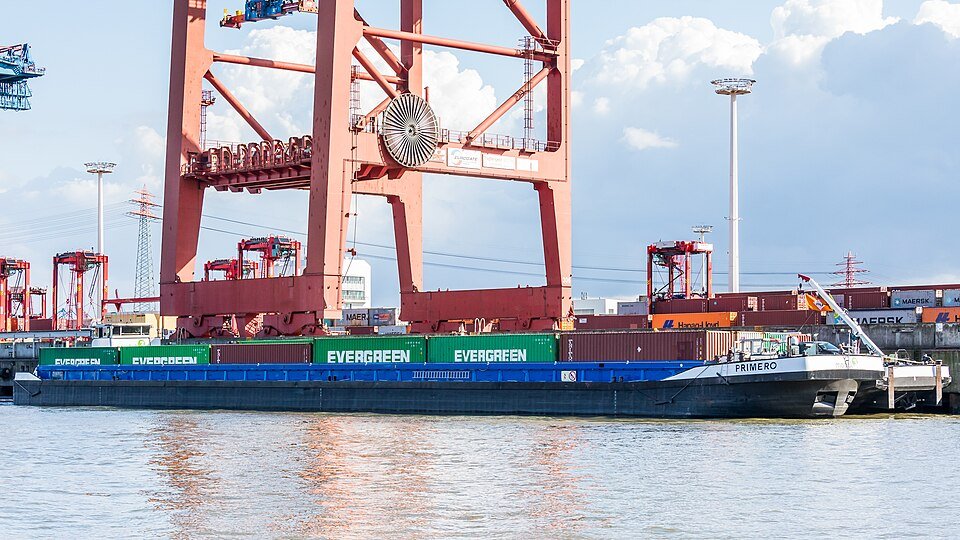
The United States announced a ban on Canadian dairy products, most alcoholic beverages and motorcycles, set to take effect in three weeks, as the trade dispute between the two nations intensifies. The move follows Canada’s imposition of retaliatory tariffs on $20 billion worth of U.S. imports earlier that day. President Donald Trump also ordered the General Services Administration to bar Canadian goods from large, long‑term U.S. government contracts until “full and fair reciprocity” is achieved for American products. Canadian Prime Minister (actually Finance Minister) Mark Carney responded by pledging to accelerate efforts to reduce Canada’s reliance on the United States, framing the strategy as a safeguard against any country holding Canada hostage.
The escalation marks a sharp departure from the historically close U.S.–Canada relationship, which has long been characterized by extensive trade despite periodic disputes over dairy protections and soft‑wood lumber subsidies. The latest U.S. action builds on an August 22 decision that levied 50 % tariffs on about 5 % of Canadian imports, accusing Canada of unfair treatment of American dairy, alcohol and auto sectors. In turn, Canada’s $20 billion tariff package targets a broad swath of American goods—including steel, aluminum, cheese, appliances, clothing, cosmetics and farm equipment—at rates of 15 %, 25 % or 50 %, representing roughly 6 % of the $333.6 billion the U.S. exported to Canada last year. Canadian provinces have already banned U.S. alcoholic products, prompting the reciprocal ban, and the dispute has sparked widespread Canadian anger, travel reductions to the U.S., and consumer boycotts of American goods.
Both governments say they remain in contact through trade ministers, even though formal negotiations have stalled since the talks collapsed on August 21. Canadian officials assert that the country will not reverse its course, regardless of whether the United States escalates further or adopts what they term a “nuclear response.” Instead, Canada will focus on bolstering domestic production and diversifying its trade partnerships beyond the United States. The outcome of this confrontation could have broader implications, testing whether a smaller ally can withstand sustained economic pressure from Washington without conceding, and potentially reshaping North American trade dynamics for years to come.
⚡ Effects Interpreter
🌍World Economy
- ▶The ripples can spread across borders, nudging growth forecasts here and there.
- ▶Confidence among international firms may wobble until the picture clears.
🏙️Local Economy
- ▶Household budgets could notice a small ripple in due course.
- ▶Local suppliers who import goods could pass on any change in costs.
🏦Rates & Banks
- ▶Savers might glance at their account rate — lenders adjust after big events.
- ▶Any move in rates would probably come later, not overnight.
❤️Health
- ▶Day-to-day stress can creep up if this starts touching familiar routines.
- ▶Community wellbeing may dip a little while people wait for clarity.
💷Wealth
- ▶It might be worth a quick look at your ISA or pension in the coming days.
- ▶Nest eggs can wobble briefly before finding their footing again.
🏠Housing
- ▶Mortgage deals could edge around if lenders read the wider mood.
- ▶Buyers and renters could notice only a gentle drift, if anything at all.