US launches more strikes on Iran as state media reports explosions
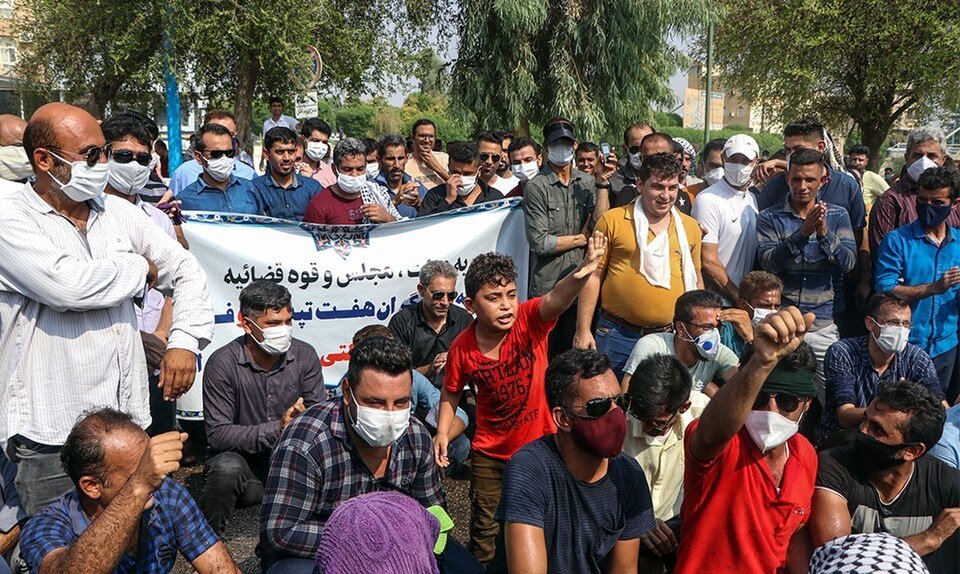
U.S. Central Command announced that American forces resumed strikes against Iran on Tuesday, targeting facilities of the Islamic Revolutionary Guard Corps (IRGC) after the militia was accused of attempting attacks on commercial shipping in the Strait of Hormuz and on U.S. service members deployed in the region. The renewed bombing began at 12:00 ET (16:00 GMT) and followed earlier U.S. attacks on two rocket launchers on Larak Island. Iranian state media reported that a strike near Sirik in southern Iran killed four people, including a four‑year‑old child, and wounded about 50 individuals at a wedding party, while other projectiles hit the Chabahar and Konarak areas and an airport in Jiroft, with explosions heard on Qeshm Island and in Bandar Abbas. President Donald Trump warned that any Iranian retaliation would be met with “a much harder and higher level” of force, describing the Tuesday attacks as “large and powerful” and promising an even larger response if needed.
The latest escalation comes after the June Memorandum of Understanding, a cease‑fire agreement between Washington and Tehran, expired, prompting both sides to resume hostilities. Earlier in the week, Tehran responded to U.S. strikes on Larak Island by firing missiles at air bases in Jordan and launching a drone at the United Arab Emirates. The United States has also been enforcing a naval blockade of Iranian ports and, on 24 August, announced a new sanctions campaign aimed at further isolating Tehran and extending secondary sanctions to its allies. Iranian officials have dismissed the sanctions as a continuation of previous U.S. economic pressure, arguing they stem from Washington’s military setbacks in recent conflicts.
Iranian state media claimed that retaliatory missile and drone attacks on U.S. bases and interests in the region had already begun, and President Masoud Pezeshkian was quoted as saying Iran would reciprocate if the United States returned to the cease‑fire agreement. The ongoing exchange of strikes threatens to further destabilize the strategically vital Strait of Hormuz, a key conduit for global oil shipments, and raises the risk of broader regional involvement, as both the United States and Iran have previously targeted shipping and military installations across the Gulf.
⚡ Effects Interpreter
🌍World Economy
- ▶Trade and investment between countries could shift a little if things escalate.
- ▶Global supply chains might feel a small tremor as businesses adjust.
🏙️Local Economy
- ▶Prices at your local shops could feel a gentle, indirect squeeze from this.
- ▶Everyday costs in your town could drift as the wider economy reacts.
🏦Rates & Banks
- ▶Any move in rates would probably come later, not overnight.
- ▶Interest rates and mortgage bills are unlikely to jump straight away from this alone.
❤️Health
- ▶Community wellbeing could dip a little while people wait for clarity.
- ▶Local health services could get busier depending on how things develop.
💷Wealth
- ▶Your pension or investments might sway a touch as markets digest this.
- ▶Savings and portfolios can see short-lived ups and downs after a story like this.
🏠Housing
- ▶Home costs usually respond later, once the bigger picture settles.
- ▶First-time buyers might keep half an eye on mortgage rates after this.