US says dozens of countries helped China dodge Trump's tariffs
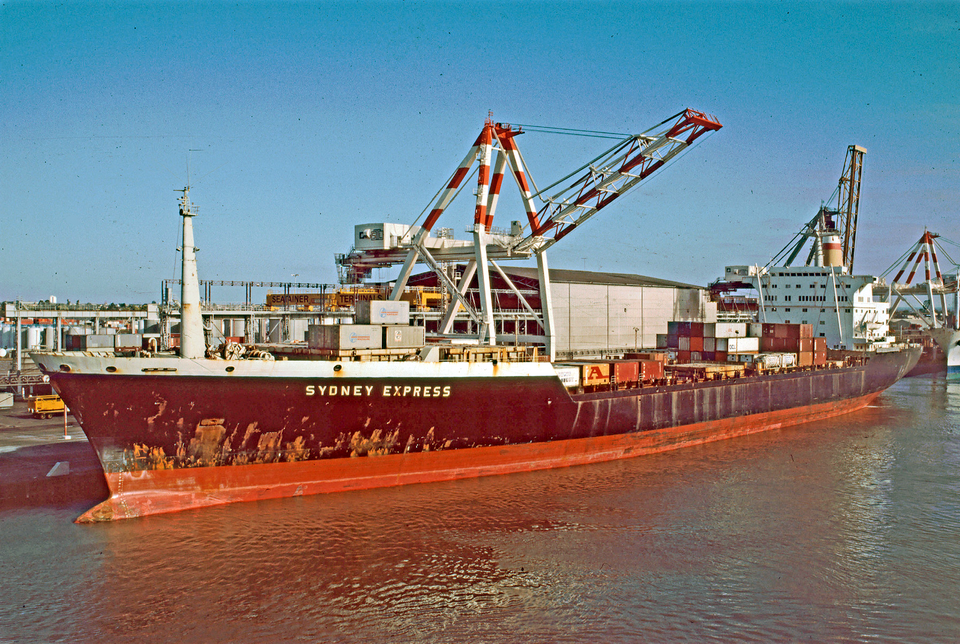
The US has accused dozens of countries, including Canada, India, Mexico, Japan, and South Korea, of helping China evade tens of billions of dollars in tariffs by allowing Chinese goods to be transshipped through their territories. According to a new US report, China has been moving goods through nations with lower tariffs to dodge higher levies, a practice known as transshipping, which involves transferring cargo through another country while en route to a final destination. White House trade adviser Peter Navarro has stated that this practice has cost "American jobs and billions in revenue", with estimates suggesting that between $30bn and $300bn in goods have been moved from countries with higher tariffs through those with lower rates. The report comes weeks before US President Donald Trump is set to meet Chinese leader Xi Jinping in Washington, and is expected to add to the existing tensions between the two countries.
The US report alleges that China has been using third countries as a stopover and repackaging goods to hide their real origin, allowing them to obtain lower tariffs and avoid paying tens of billions of dollars in duties. This practice, described by the White House as "fraud cloaked in paperwork", has been made possible by the use of complex global supply chains and the ability to easily transfer goods through multiple countries. The US has deployed artificial intelligence tools to catch transshipment efforts, and the report suggests that the use of transshipping has become increasingly sophisticated, with a "global Shadow Transshipment Network" allowing China to evade tariffs on a large scale. The report also notes that the practice of transshipping is not limited to China, but the scale and sophistication of China's efforts have made it a major concern for the US. The Chinese embassy in Washington has responded to the report, stating that "trade wars have no winners" and opposing the US tariff measures and the use of state power to target China's companies.
The implications of the report are significant, with the US potentially using the findings to strengthen its bargaining position in upcoming trade talks with China. Chang Pao Li, an associate professor of economics at Singapore Management University, has suggested that the report could be used to argue that China has preserved access to the US market indirectly, and that any broader trade settlement must address not only direct Chinese exports but also third-country routing. The report is also likely to have implications for countries that have been identified as being involved in the transshipping of Chinese goods, with these countries potentially facing additional risk and costs as a result of their integration with Chinese supply chains. The US and China have been engaged in a series of trade disputes, with the US imposing tariffs on Chinese goods and China responding with its own sanctions, and the report is likely to add to the existing tensions between the two countries.
⚡ Effects Interpreter
🌍World Economy
- ▶Trade and investment between countries could shift a little if things escalate.
- ▶Global supply chains might feel a small tremor as businesses adjust.
🏙️Local Economy
- ▶Small businesses nearby might tweak their prices in the weeks ahead.
- ▶Your weekly shop could get a touch dearer, or cheaper, down the line.
🏦Rates & Banks
- ▶Any move in rates would probably come later, not overnight.
- ▶Interest rates and mortgage bills are unlikely to jump straight away from this alone.
❤️Health
- ▶Local health services could get busier depending on how things develop.
- ▶Unsettling news can weigh on sleep and mood, so peace of mind matters.
💷Wealth
- ▶Nest eggs can wobble briefly before finding their footing again.
- ▶Long-term savers usually ride out these small bumps just fine.
🏠Housing
- ▶Any effect on bricks and mortar is likely to be slow and modest.
- ▶House prices and rents are unlikely to shift the moment this news breaks.