US wheat farmers navigate uncertainty amid drought and geopolitical chaos
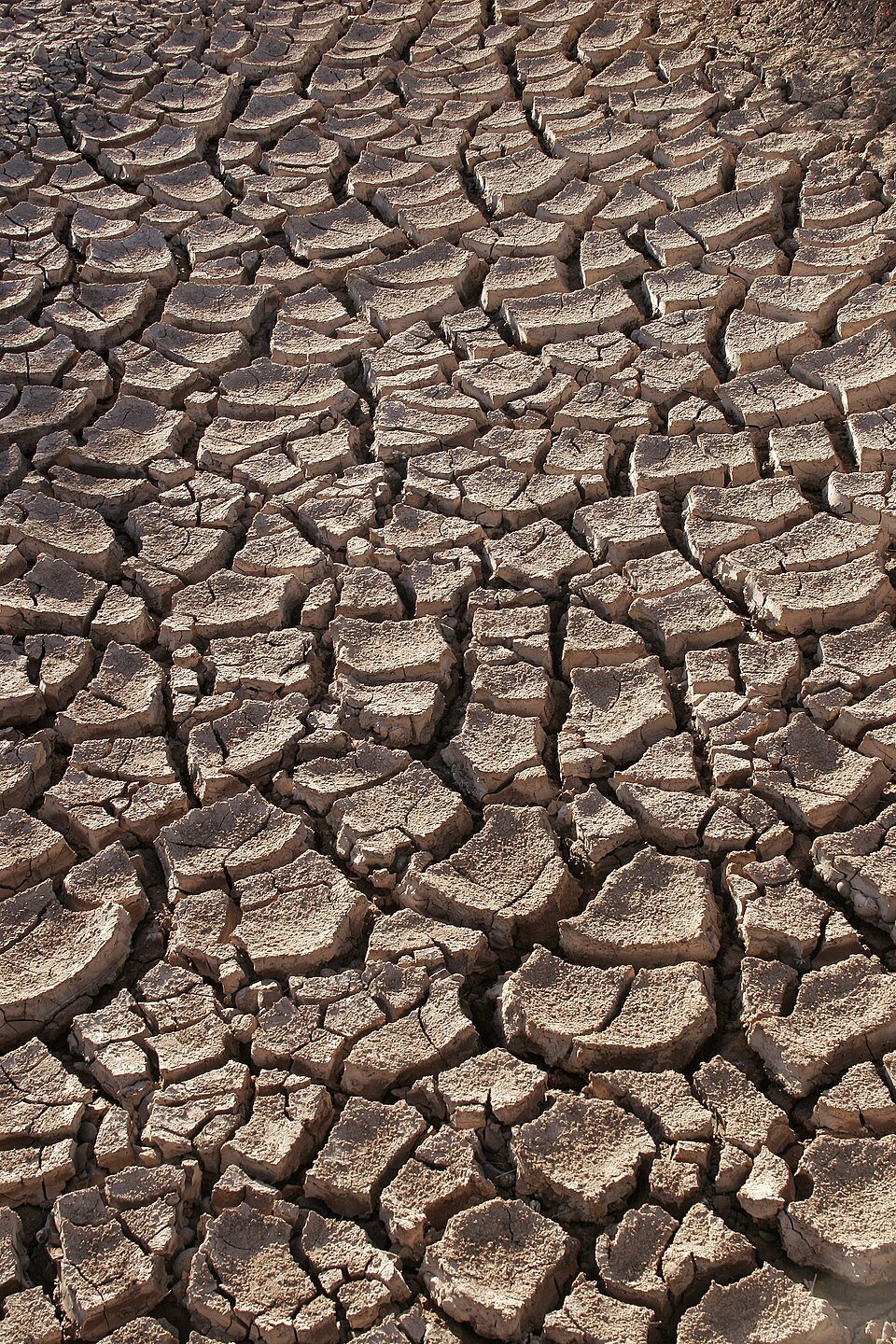
Wheat prices have surged to a three‑year high, lifting the projected value of bread‑type wheat by 39 percent, yet Kansas farmer Merrill Nielsen remains uncertain that the higher market price will translate into profit. Nielsen’s 2,500‑acre operation lost its entire spring wheat crop to erratic weather, and rising diesel costs for his tractors have further squeezed margins. With drought now gripping the southern Great Plains, Nielsen says he may plant less wheat than usual, or possibly none at all, pending how the weather evolves. The combination of soaring input costs, unpredictable climate and geopolitical turmoil is leaving U.S. wheat growers facing a precarious season despite the price rally, while downstream users—from millers to grocery shoppers—risk feeling the impact of tighter supplies.
The broader picture is shaped by a confluence of climate and geopolitical pressures that are tightening global wheat supplies to near‑record lows. A “super” El Niño is forecast, a phenomenon intensified by climate change that can disrupt agriculture across the southern hemisphere and bring extreme dryness to key growing regions; droughts in the United States and Europe have already shriveled harvests, and Australia has cut wheat plantings by 12 percent due to anticipated dryness and higher fertilizer costs. Simultaneously, Russian attacks on Black Sea port facilities—through which roughly one‑third of the world’s wheat trade passes—have crippled shipments from a region that had just completed a bumper harvest, forcing exporters to seek longer, costlier routes that could only move 35‑50 percent of the grain. Analysts warn that these twin shocks could push the UN Food and Agriculture Organization’s food price index even higher, with wheat price spikes reverberating far beyond the Ukraine‑Russia conflict.
Looking ahead, U.S. wheat acreage may expand modestly as producers chase higher prices, with market researcher Dan Basse projecting a 10 percent increase in winter wheat planting over the previous year. However, harvested wheat acreage is at its lowest level since 1877, as many farmers have shifted to more profitable corn and soybeans, and a single year of elevated prices is unlikely to reverse this structural decline. Experts such as Texas A&M economist Mark Welch caution that profitability hinges on average yields; without them, breakeven costs rise sharply. Seed seller Vance Ehmke in southwest Kansas reports a surge in seed inquiries but warns that current dryness threatens germination, leaving growers “screwed” if crops fail to establish. Continued high wheat prices will be necessary to offset rising input costs and trade‑policy pressures, underscoring the fragile balance between market incentives and the unpredictable forces shaping the global wheat supply chain.
⚡ Effects Interpreter
🌍World Economy
- ▶Trade ties might tighten or loosen as the numbers sink in.
- ▶Ripples from this can reach factories and ports far away.
🏙️Local Economy
- ▶Modest business owners nearby could gradually rework their margins.
- ▶Local hiring plans may firm up or soften as the wider trend becomes clear.
🏦Rates & Banks
- ▶Borrowing plans are usually safe from sudden shocks over something like this.
- ▶A modest drift in borrowing costs is more plausible than a sharp jump.
❤️Health
- ▶It's easy to underestimate how much stories like this weigh on people.
- ▶Talking things through with family or friends can ease the load.
💷Wealth
- ▶Savers with a clear plan tend to feel less rattled by this kind of news.
- ▶Keeping perspective on your timeline usually beats reacting to any single story.
🏠Housing
- ▶Landlords and tenants alike rarely feel sudden shifts from news like this.
- ▶Anyone selling soon might want a fresh valuation once the dust settles.