What to know about Brazil's election pitting Lula against Flávio Bolsonaro
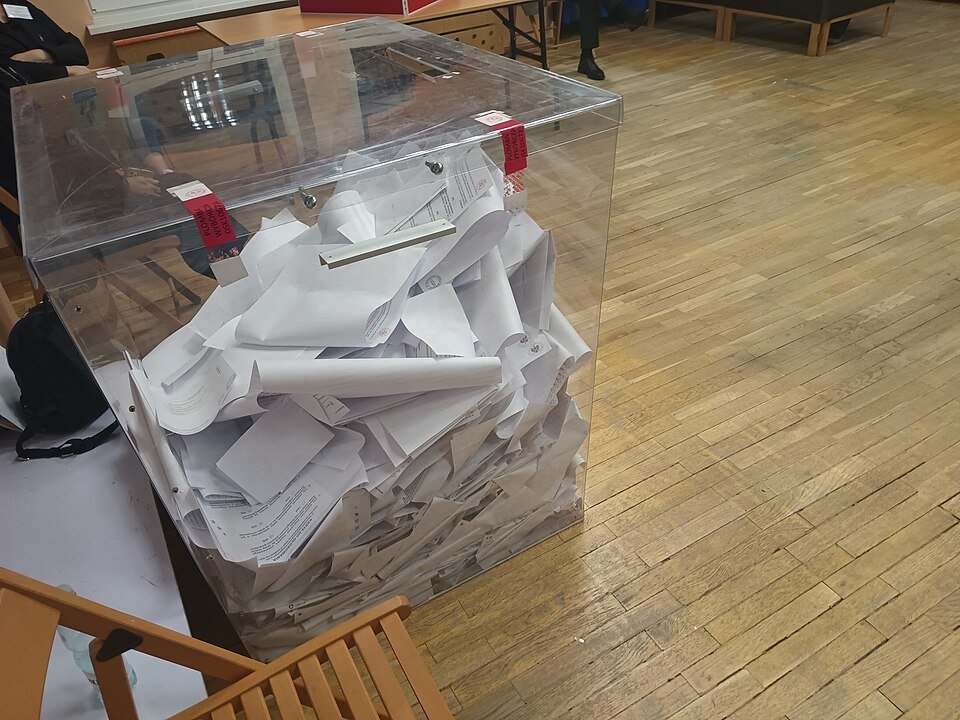
The presidential contest in Brazil on 4 October pits the 80‑year‑old incumbent left‑wing leader Luiz Inácio Lula da Silva against right‑wing challenger Flávio Bolsonaro, son of former president Jair Bolsonaro, with both candidates polling around 40 percent and a runoff on 25 October likely if neither reaches an outright majority. Lula, a three‑time president and member of the Workers’ Party, is seeking a fourth term despite earlier pledging it would be his last, while Flávio, one of 12 candidates, carries the backing of his father, who remains under house arrest serving a 27‑year sentence for attempting a coup after his 2022 defeat. The campaign launch featured an AI‑generated avatar of Jair Bolsonaro endorsing his son, a deep‑fake that the Supreme Court questioned but whose use underscores the elder Bolsonaro’s lingering influence despite legal restrictions on his public communication.
The election is framed by Brazil’s recent political turbulence: Jair Bolsonaro’s conviction and the January 2023 storming of Congress by his supporters have left a polarized electorate, while Lula’s legacy blends historic social achievements with controversy. His earlier tenure lifted millions out of poverty through the Bolsa Família program and earned approval ratings above 80 percent, yet his party later suffered massive corruption scandals and Lula himself spent 18 months in prison before his convictions were annulled in 2021. In his current term, Lula has faced criticism from environmentalists for approving offshore oil drilling near the Amazon, even as his administration cites satellite data showing the lowest deforestation rates in a decade and argues that oil revenues will fund Brazil’s transition to clean energy. Relations with the United States remain strained, with Lula rejecting the “Donroe doctrine” and asserting Brazil’s independence from U.S. hemispheric dominance.
With almost 160 million eligible voters—compulsory for literate citizens aged 18 to 70—the election’s outcome will shape Brazil’s direction on economic policy, environmental stewardship, and its role on the global stage. Polls indicate that about 9 percent of the electorate remain undecided or may abstain, leaving room for either candidate to secure a first‑round victory, though a runoff appears probable. The result will determine whether Lula’s centrist‑left agenda, including his controversial energy strategy and continued social programs, will persist, or if Flávio Bolsonaro will extend his father’s right‑wing populist legacy, potentially reshaping Brazil’s democratic institutions after the recent coup‑related upheaval.
⚡ Effects Interpreter
🌍World Economy
- ▶Global supply chains might feel a modest tremor as businesses adjust.
- ▶Currency traders elsewhere might start pricing in the fallout within hours.
🏙️Local Economy
- ▶The high street usually mirrors big-picture shifts, just a bit down the road.
- ▶Slight firms on your street might pass costs on cautiously, bit by bit.
🏦Rates & Banks
- ▶Banks tend to wait and see before nudging the rates they offer.
- ▶Banks generally prefer a wait-and-see approach before touching their rates.
❤️Health
- ▶Some people feel this news more keenly than others, and that's worth acknowledging.
- ▶Community spirit usually steadies nerves when headlines feel unsettling.
💷Wealth
- ▶A brief dip in value is not the same as a permanent loss.
- ▶Savers with a clear plan tend to feel less rattled by news like this.
🏠Housing
- ▶Landlords and tenants alike rarely feel sudden shifts from this kind of news.
- ▶Buyers and renters might notice only a soft drift, if anything at all.