HPV home-testing kits available for women in England who have missed cervical screening
Source: BBC Health ↗ (cross-verified by 2 outlets — full list below)
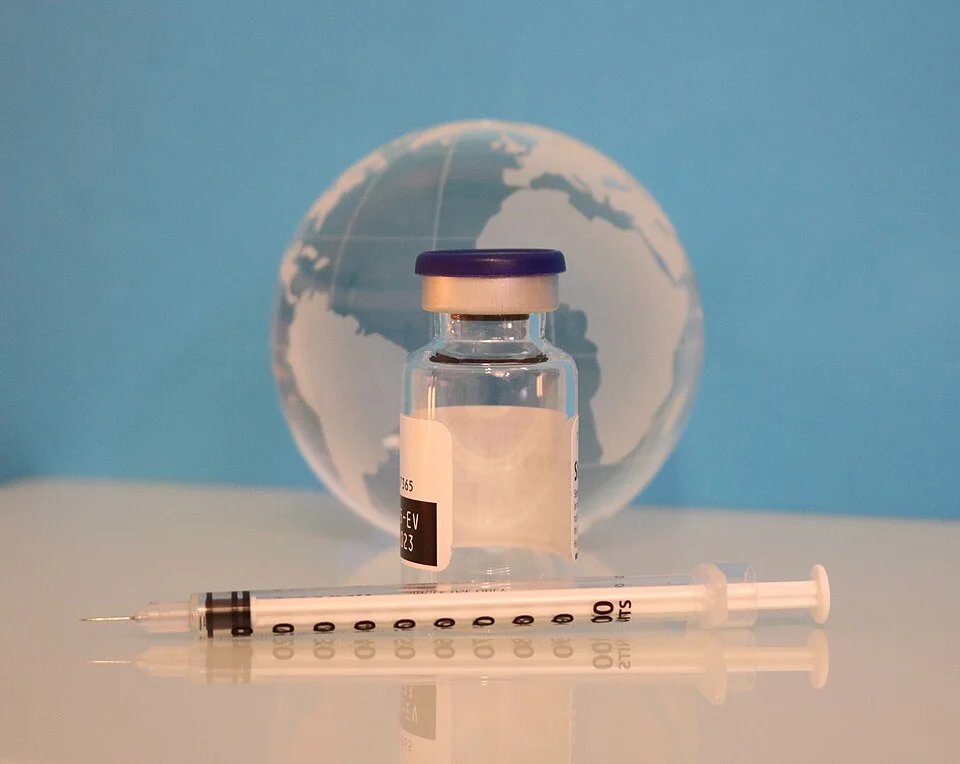
Nearly four million women in England will soon be able to order a free self‑testing kit for high‑risk human papillomavirus (HPV) through the NHS. Over the coming year, eligible women aged 24 to 64 will receive invitations via the NHS App, text, email or letter, allowing them to request a kit that can be used at home. The swab‑based kit collects a vaginal sample, which is mailed back for laboratory analysis; if high‑risk HPV is detected, the woman is asked to book a follow‑up cervical screening appointment. The rollout targets the roughly one‑third of eligible women who have not attended recent cervical screening appointments, aiming to increase overall uptake and catch early signs of the virus that causes almost all cervical cancers.
The initiative is presented as a “game‑changer” by Dr Sue Mann, national clinical director for women’s health, who notes that embarrassment, lack of time and concerns about discomfort often deter women from attending clinician‑led screenings. By offering a discreet, convenient alternative, the NHS hopes to remove these barriers and boost participation. Trials of self‑testing in London indicated that the approach could raise screening numbers by about 400,000 women annually, roughly one in ten eligible participants, thereby improving early detection of high‑risk HPV. The programme complements existing preventive measures, including the HPV vaccination offered to teenagers, and aligns with the NHS’s goal of eliminating cervical cancer by 2040.
Personal testimony underscores the life‑saving potential of broader screening access. Gem Sofianos‑Boorman, diagnosed with cervical cancer at 28 after a routine test, credits early detection for preventing disease spread and urges women not to ignore screening invitations. While the self‑test is a valuable addition, NHS officials stress that clinician‑performed cervical screening remains the gold standard for cancer prevention, and women who miss appointments can still seek in‑person screening. The self‑testing rollout, currently piloted in England, is also being considered by other parts of the UK, suggesting a wider shift toward more flexible, patient‑centred cervical cancer prevention strategies.
⚡ Effects Interpreter
🌍World Economylow impact
What this means for you
- ▶Currency traders elsewhere may start pricing in the fallout within hours.
- ▶The wider trading system tends to absorb shocks like this slowly.
🏙️Local Economylow impact
What this means for you
- ▶Everyday spending habits nearby may shift once the news sinks in.
- ▶High street footfall and spending can shift subtly after a story like this.
🏦Rates & Banksmedium impact
What this means for you
- ▶Rate decisions tend to follow data, not headlines, so patience is the norm.
- ▶Banks tend to wait and see before nudging the rates they offer.
❤️Healthmedium impact
What this means for you
- ▶Health charities usually step up with guidance when stories like this spread.
- ▶Peace of mind usually starts with reliable information.
💷Wealthlow impact
What this means for you
- ▶Care costs can ripple into family finances over time.
- ▶Your budget may feel a slight health-related nudge over time.
🏠Housinglow impact
What this means for you
- ▶Renters may see costs drift a bit as landlords weigh their own bills.
- ▶Anyone mid-purchase might want to keep an eye on how this unfolds.
🌍 Effects for your country
The U.S.'s central bank rate currently stands at 3.75%, so a global rates move like this could feed through to local borrowing costs. The U.S.'s economy is growing at 2.3% with inflation at 3.2%, the backdrop this story's effects play out against locally. Housing-market effects like this are usually felt most where mortgage rates track the U.S.'s own central bank rate closely. With the U.S.'s unemployment at 4.4%, personal-finance effects like this land on a labour market that is currently fairly stable. Health-system effects are harder to localise from economic indicators alone — the real impact in the U.S. depends more on local healthcare capacity than the figures above.
The UK's central bank rate currently stands at 3.75%, so a global rates move like this could feed through to local borrowing costs. The UK's economy is growing at 0.8% with inflation at 3.2%, the backdrop this story's effects play out against locally. Housing-market effects like this are usually felt most where mortgage rates track the UK's own central bank rate closely. With the UK's unemployment at 5.6%, personal-finance effects like this land on a labour market that is currently fairly stable. Health-system effects are harder to localise from economic indicators alone — the real impact in the UK depends more on local healthcare capacity than the figures above.
France's central bank rate currently stands at 2%, so a global rates move like this could feed through to local borrowing costs. France's economy is growing at 0.9% with inflation at 1.8%, the backdrop this story's effects play out against locally. Housing-market effects like this are usually felt most where mortgage rates track France's own central bank rate closely. With France's unemployment at 7.9%, personal-finance effects like this land on a labour market that is already under strain. Health-system effects are harder to localise from economic indicators alone — the real impact in France depends more on local healthcare capacity than the figures above.
Romania's central bank rate currently stands at 6.5%, so a global rates move like this could feed through to local borrowing costs. Romania's economy is growing at 0.7% with inflation at 7.8%, the backdrop this story's effects play out against locally. Housing-market effects like this are usually felt most where mortgage rates track Romania's own central bank rate closely. With Romania's unemployment at 6%, personal-finance effects like this land on a labour market that is currently fairly stable. Health-system effects are harder to localise from economic indicators alone — the real impact in Romania depends more on local healthcare capacity than the figures above.
The UAE's central bank rate currently stands at 3.65%, so a global rates move like this could feed through to local borrowing costs. The UAE's economy is growing at 3.1% with inflation at 2.5%, the backdrop this story's effects play out against locally. Housing-market effects like this are usually felt most where mortgage rates track the UAE's own central bank rate closely. Health-system effects are harder to localise from economic indicators alone — the real impact in the UAE depends more on local healthcare capacity than the figures above.