Argentina’s Milei threatens sanctions over Falklands oil drilling
Source: Al Jazeera ↗ (cross-verified by 2 outlets — full list below)
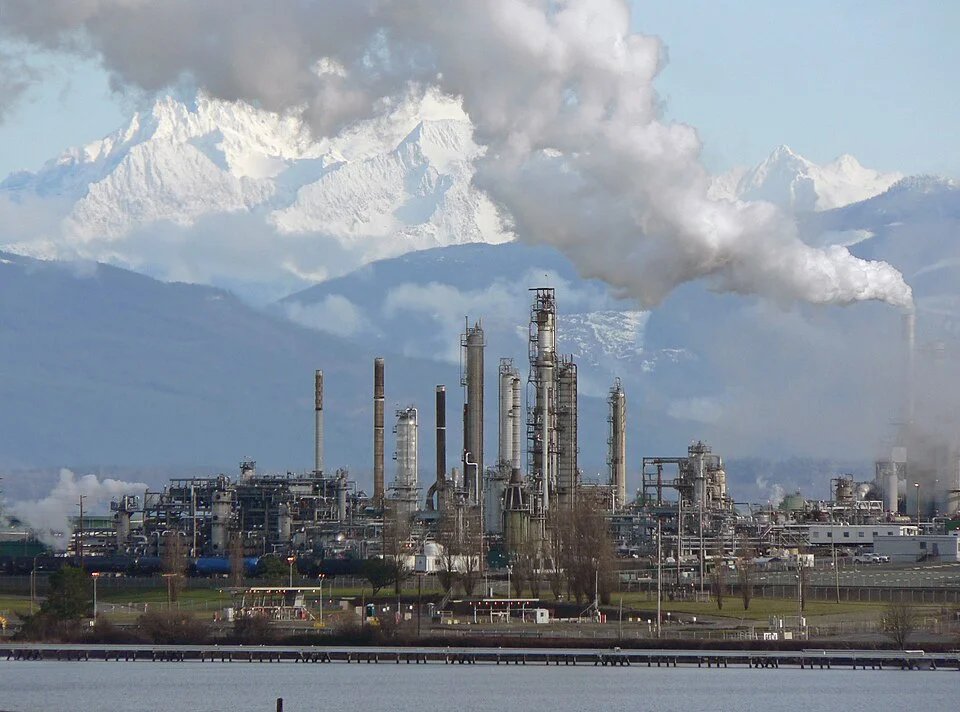
Argentina’s President Javier Milei announced that his government will consider imposing sanctions on oil firms that are drilling in the waters surrounding the Falkland Islands, a British overseas territory. The threat underscores Argentina’s longstanding claim to sovereignty over the islands and signals a willingness to use economic pressure to contest foreign exploitation of the region’s resources.
Milei framed the move as a response to what he described as diminishing U.S. backing for the United Kingdom under President Donald Trump, suggesting that the United States is less likely to intervene on Britain’s behalf in disputes over the South Atlantic. By invoking the shift in American foreign policy, the Argentine leader aimed to bolster his position and justify the potential punitive measures against companies that, in his view, are violating Argentina’s territorial rights.
The proposed sanctions would target the financial and operational activities of the oil companies involved, potentially restricting their access to Argentine markets or financial systems. If enacted, the policy could strain relations not only between Argentina and the United Kingdom but also with multinational energy firms and their home governments, adding another layer of tension to the already fraught sovereignty dispute over the Falklands.
⚡ Effects Interpreter
🌍World Economymedium impact
What this means for you
- ▶Global businesses tend to hedge their bets when politics gets unpredictable.
- ▶Policy signals like this typically shape boardroom decisions for months.
🏙️Local Economylow impact
What this means for you
- ▶Prices at your local shops may feel a soft, indirect squeeze from this.
- ▶The cost of a weekly food shop can creep up in the background.
🏦Rates & Banksmedium impact
What this means for you
- ▶Government bond yields often move first when politics takes a turn.
- ▶Political headlines can rattle currency markets well before rates budge.
❤️Healthmedium impact
What this means for you
- ▶A little perspective usually helps once the initial shock fades.
- ▶Health anxieties triggered by news like this usually ease once facts replace speculation.
💷Wealthlow impact
What this means for you
- ▶Your overall wealth picture is unlikely to be defined by a single story like this.
- ▶A brief dip in value is not the same as a permanent loss.
🏠Housinglow impact
What this means for you
- ▶Buyers and renters may notice only a soft drift, if anything at all.
- ▶Home costs usually respond further down the line, once the bigger picture settles.
🌍 Effects for your country
The U.S.'s central bank rate currently stands at 3.75%, so a global rates move like this could feed through to local borrowing costs. The U.S.'s economy is growing at 2.3% with inflation at 3.2%, the backdrop this story's effects play out against locally. Housing-market effects like this are usually felt most where mortgage rates track the U.S.'s own central bank rate closely. With the U.S.'s unemployment at 4.4%, personal-finance effects like this land on a labour market that is currently fairly stable. Health-system effects are harder to localise from economic indicators alone — the real impact in the U.S. depends more on local healthcare capacity than the figures above.
The UK's central bank rate currently stands at 3.75%, so a global rates move like this could feed through to local borrowing costs. The UK's economy is growing at 0.8% with inflation at 3.2%, the backdrop this story's effects play out against locally. Housing-market effects like this are usually felt most where mortgage rates track the UK's own central bank rate closely. With the UK's unemployment at 5.6%, personal-finance effects like this land on a labour market that is currently fairly stable. Health-system effects are harder to localise from economic indicators alone — the real impact in the UK depends more on local healthcare capacity than the figures above.
France's central bank rate currently stands at 2%, so a global rates move like this could feed through to local borrowing costs. France's economy is growing at 0.9% with inflation at 1.8%, the backdrop this story's effects play out against locally. Housing-market effects like this are usually felt most where mortgage rates track France's own central bank rate closely. With France's unemployment at 7.9%, personal-finance effects like this land on a labour market that is already under strain. Health-system effects are harder to localise from economic indicators alone — the real impact in France depends more on local healthcare capacity than the figures above.
Romania's central bank rate currently stands at 6.5%, so a global rates move like this could feed through to local borrowing costs. Romania's economy is growing at 0.7% with inflation at 7.8%, the backdrop this story's effects play out against locally. Housing-market effects like this are usually felt most where mortgage rates track Romania's own central bank rate closely. With Romania's unemployment at 6%, personal-finance effects like this land on a labour market that is currently fairly stable. Health-system effects are harder to localise from economic indicators alone — the real impact in Romania depends more on local healthcare capacity than the figures above.
The UAE's central bank rate currently stands at 3.65%, so a global rates move like this could feed through to local borrowing costs. The UAE's economy is growing at 3.1% with inflation at 2.5%, the backdrop this story's effects play out against locally. Housing-market effects like this are usually felt most where mortgage rates track the UAE's own central bank rate closely. Health-system effects are harder to localise from economic indicators alone — the real impact in the UAE depends more on local healthcare capacity than the figures above.