French fishermen to end blockades over fuel prices
Source: France 24 ↗ (cross-verified by 2 outlets — full list below)
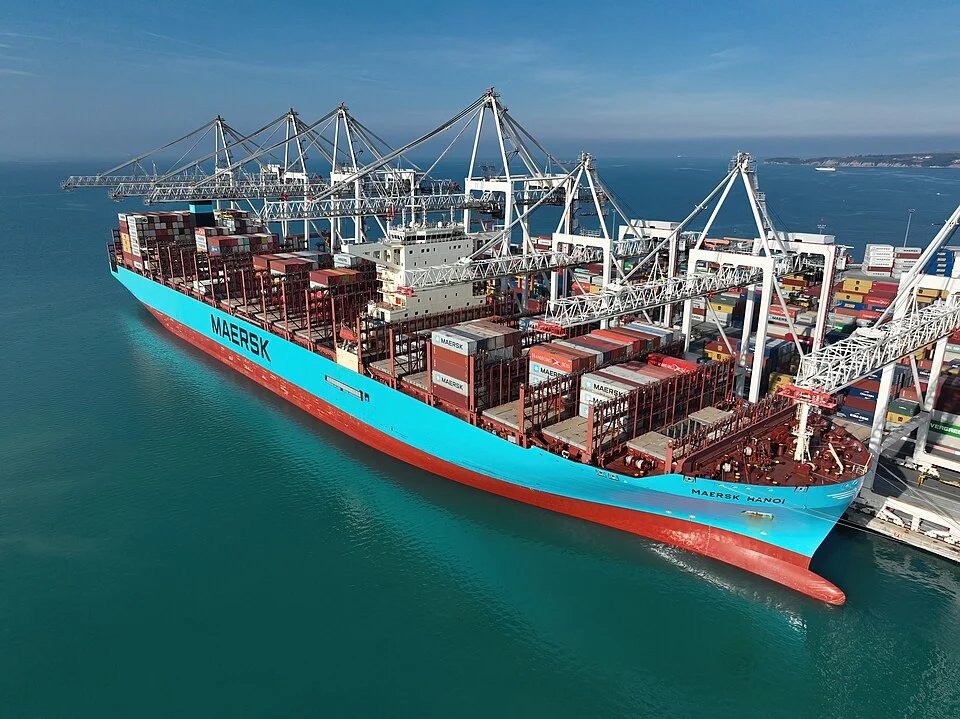
French fishermen have agreed to end their blockades of fuel depots and ports, including the facility in Nice, after negotiations with the French government that resulted in a promise of financial assistance. The protests, which began as a response to sharply rising fuel costs, had seen vessels and dockworkers prevent the loading and unloading of fuel, threatening the supply chain for the maritime sector. The decision to lift the blockades came after the government offered aid aimed at offsetting the increased expenses that fishermen say have pushed many to the brink of financial ruin.
The core driver of the unrest is the surge in fuel prices that has accompanied the war with Iran, a conflict that has disrupted global energy markets and driven up the cost of diesel and gasoline essential for fishing operations. Fishermen contend that the heightened expenses erode profit margins and jeopardize the viability of small‑scale fleets that rely on affordable fuel to remain competitive. By securing government support, they hope to mitigate the immediate fiscal pressure while signaling broader concerns about the vulnerability of France’s maritime industry to geopolitical shocks in the energy sector.
While the French blockade ends, the segment also highlighted parallel international tensions, noting that U.S. lawmakers have approved a new sanctions package that could extend tariffs to India if it continues purchasing Russian oil. This development underscores the interconnected nature of energy policy, trade, and regional stability, suggesting that the French fishermen’s resolution may be part of a wider pattern of economic adjustments prompted by global geopolitical conflicts.
⚡ Effects Interpreter
🌍World Economylow impact
What this means for you
- ▶Economists will chew this over, and growth forecasts might be nudged.
- ▶A ripple in one major economy can nudge sentiment in several others.
🏙️Local Economylow impact
What this means for you
- ▶Neighbourhood businesses tend to feel big economic shifts eventually.
- ▶Your cost of living could feel a soft nudge either way.
🏦Rates & Banksmedium impact
What this means for you
- ▶Your loan or mortgage rate is more likely to drift than to lurch here.
- ▶Banks generally prefer a wait-and-see approach before touching their rates.
❤️Healthlow impact
What this means for you
- ▶Local health services could get busier depending on how things develop.
- ▶Worry has a way of spreading faster than the facts sometimes.
💷Wealthmedium impact
What this means for you
- ▶Financial plans built on solid ground rarely need urgent revisiting here.
- ▶Savings and portfolios can see short-lived ups and downs after a story like this.
🏠Housinglow impact
What this means for you
- ▶Any effect on bricks and mortar is likely to be slow and modest.
- ▶Anyone selling soon might want a fresh valuation once the dust settles.
🌍 Effects for your country
The U.S.'s central bank rate currently stands at 3.75%, so a global rates move like this could feed through to local borrowing costs. The U.S.'s economy is growing at 2.3% with inflation at 3.2%, the backdrop this story's effects play out against locally. Housing-market effects like this are usually felt most where mortgage rates track the U.S.'s own central bank rate closely. With the U.S.'s unemployment at 4.4%, personal-finance effects like this land on a labour market that is currently fairly stable. Health-system effects are harder to localise from economic indicators alone — the real impact in the U.S. depends more on local healthcare capacity than the figures above.
The UK's central bank rate currently stands at 3.75%, so a global rates move like this could feed through to local borrowing costs. The UK's economy is growing at 0.8% with inflation at 3.2%, the backdrop this story's effects play out against locally. Housing-market effects like this are usually felt most where mortgage rates track the UK's own central bank rate closely. With the UK's unemployment at 5.6%, personal-finance effects like this land on a labour market that is currently fairly stable. Health-system effects are harder to localise from economic indicators alone — the real impact in the UK depends more on local healthcare capacity than the figures above.
France's central bank rate currently stands at 2%, so a global rates move like this could feed through to local borrowing costs. France's economy is growing at 0.9% with inflation at 1.8%, the backdrop this story's effects play out against locally. Housing-market effects like this are usually felt most where mortgage rates track France's own central bank rate closely. With France's unemployment at 7.9%, personal-finance effects like this land on a labour market that is already under strain. Health-system effects are harder to localise from economic indicators alone — the real impact in France depends more on local healthcare capacity than the figures above.
Romania's central bank rate currently stands at 6.5%, so a global rates move like this could feed through to local borrowing costs. Romania's economy is growing at 0.7% with inflation at 7.8%, the backdrop this story's effects play out against locally. Housing-market effects like this are usually felt most where mortgage rates track Romania's own central bank rate closely. With Romania's unemployment at 6%, personal-finance effects like this land on a labour market that is currently fairly stable. Health-system effects are harder to localise from economic indicators alone — the real impact in Romania depends more on local healthcare capacity than the figures above.
The UAE's central bank rate currently stands at 3.65%, so a global rates move like this could feed through to local borrowing costs. The UAE's economy is growing at 3.1% with inflation at 2.5%, the backdrop this story's effects play out against locally. Housing-market effects like this are usually felt most where mortgage rates track the UAE's own central bank rate closely. Health-system effects are harder to localise from economic indicators alone — the real impact in the UAE depends more on local healthcare capacity than the figures above.