Google spared from ad-business breakup, but judge orders changes to how it operates
Source: TechCrunch ↗ (cross-verified by 2 outlets — full list below)
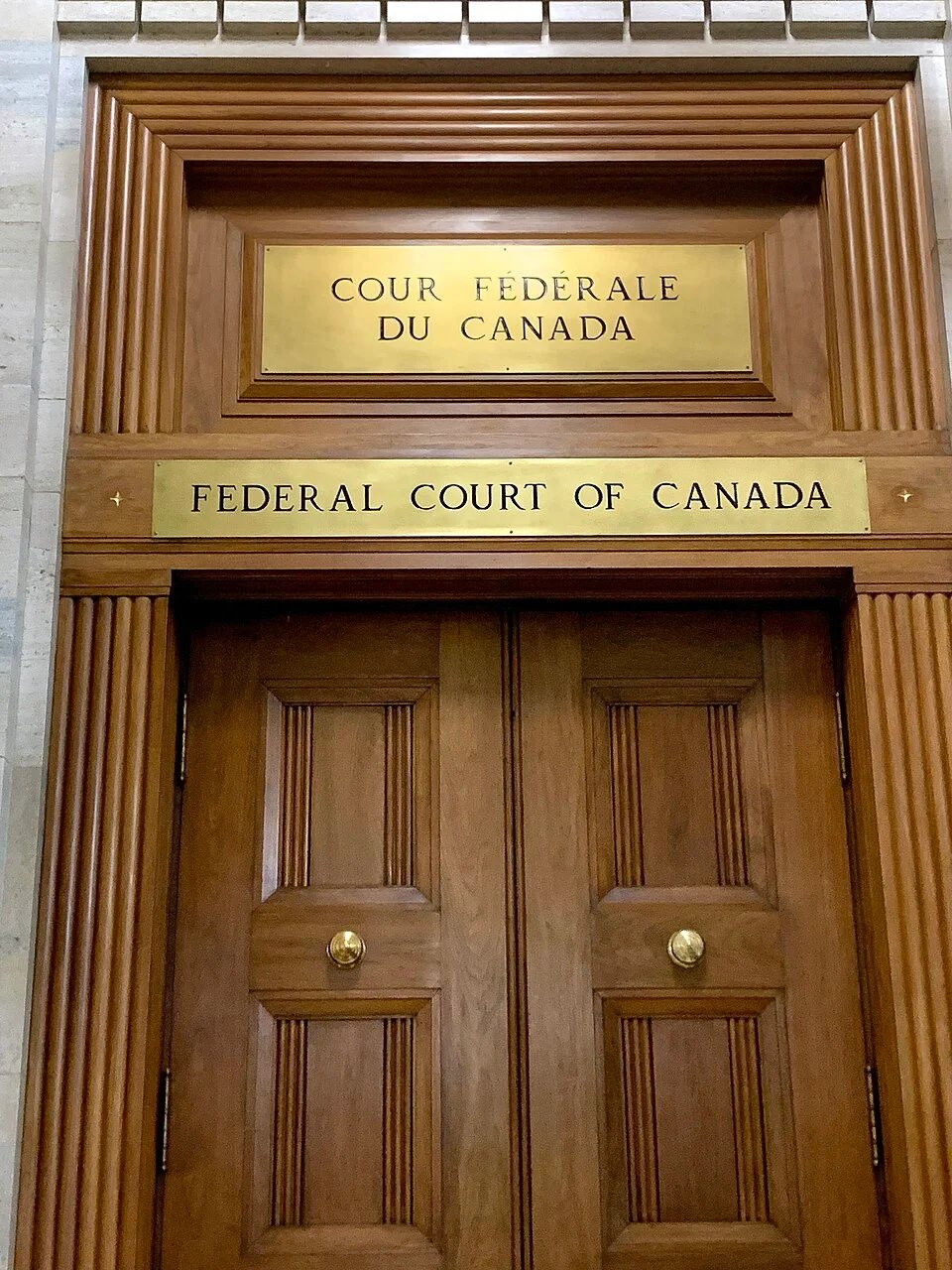
A federal judge has ruled that Google will retain ownership of its massive advertising business, but the company must modify its practices to give rivals a fairer chance. The decision, issued by Judge Leonie M. Brinkema of the Eastern District of Virginia, came in the antitrust case that targets Google’s ad‑technology operations, which the Justice Department has argued constitute an illegal monopoly. While the ruling spares Google from a structural breakup, it obliges the firm to end exclusive default‑placement agreements and to share certain search data with competitors—a set of remedies that Google is currently appealing. The judgment follows earlier courts’ conclusions that Google’s search and ad‑tech businesses wield monopoly power, and it mirrors a prior ruling by Judge Amit Mehta that allowed Google to keep its Chrome browser and Android operating system while imposing similar conduct‑based remedies.
The case stems from a broader government effort to dismantle Google’s dominance in the digital advertising ecosystem, which the DOJ has pursued through two separate lawsuits. The 2020 suit focused on Google’s control of search, while the 2023 filing zeroed in on the ad‑tech stack that powers billions of ads across the web. Prosecutors highlighted Google’s strategy of securing default status for its search engine on smartphones and other devices through exclusive contracts with manufacturers and revenue‑sharing deals with mobile carriers, tactics that effectively locked out competitors and funneled ad revenue to Google. Earlier rulings had already labeled Google’s search‑ad operation an illegal monopoly and had considered divesting Chrome and Android, though those suggestions were rejected. The current remedy order, however, remains vague; the judge’s written opinion will stay sealed for two weeks, leaving the specifics of how Google must alter its behavior undisclosed.
Google welcomed the outcome as a victory, with its vice president for regulatory affairs, Lee‑Anne Mulholland, emphasizing that the court rejected the DOJ’s plan to break apart tools that help small businesses reach customers. Industry observers note that the decision maintains the status quo of ownership while potentially reshaping the competitive dynamics of the opaque ad‑tech market. If the required changes are implemented, they could open the door for rival ad platforms to gain access to valuable search data and break Google’s default‑engine advantage, thereby altering the revenue flows that have sustained the company’s advertising empire. The pending appeal and the pending details of the mandated reforms will determine how quickly and how significantly the digital advertising landscape shifts.
⚡ Effects Interpreter
🌍World Economylow impact
What this means for you
- ▶A story like this rarely stays local for long in a connected economy.
- ▶Markets around the world may take their cue from how this story unfolds.
🏙️Local Economylow impact
What this means for you
- ▶Jobs and trade close to home could feel a soft knock-on effect.
- ▶Your weekly shop might get a touch dearer, or cheaper, over time.
🏦Rates & Bankslow impact
What this means for you
- ▶Fixed and variable borrowers alike may want to keep half an eye on this.
- ▶Mortgage offers might firm up or soften as the picture becomes clearer.
❤️Healthlow impact
What this means for you
- ▶Being kind to yourself matters just as much as staying informed.
- ▶Neighbours and families may feel more anxious until the dust settles.
💷Wealthlow impact
What this means for you
- ▶Your financial adviser, if you have one, may already be watching this.
- ▶A calm head usually serves savers better than a brief reaction.
🏠Housinglow impact
What this means for you
- ▶Anyone selling soon might want a fresh valuation once the dust settles.
- ▶Bricks and mortar tend to hold steady while other markets swing about.
🌍 Effects for your country
The U.S.'s central bank rate currently stands at 3.75%, so a global rates move like this could feed through to local borrowing costs. The U.S.'s economy is growing at 2.3% with inflation at 3.2%, the backdrop this story's effects play out against locally. Housing-market effects like this are usually felt most where mortgage rates track the U.S.'s own central bank rate closely. With the U.S.'s unemployment at 4.4%, personal-finance effects like this land on a labour market that is currently fairly stable. Health-system effects are harder to localise from economic indicators alone — the real impact in the U.S. depends more on local healthcare capacity than the figures above.
The UK's central bank rate currently stands at 3.75%, so a global rates move like this could feed through to local borrowing costs. The UK's economy is growing at 0.8% with inflation at 3.2%, the backdrop this story's effects play out against locally. Housing-market effects like this are usually felt most where mortgage rates track the UK's own central bank rate closely. With the UK's unemployment at 5.6%, personal-finance effects like this land on a labour market that is currently fairly stable. Health-system effects are harder to localise from economic indicators alone — the real impact in the UK depends more on local healthcare capacity than the figures above.
France's central bank rate currently stands at 2%, so a global rates move like this could feed through to local borrowing costs. France's economy is growing at 0.9% with inflation at 1.8%, the backdrop this story's effects play out against locally. Housing-market effects like this are usually felt most where mortgage rates track France's own central bank rate closely. With France's unemployment at 7.9%, personal-finance effects like this land on a labour market that is already under strain. Health-system effects are harder to localise from economic indicators alone — the real impact in France depends more on local healthcare capacity than the figures above.
Romania's central bank rate currently stands at 6.5%, so a global rates move like this could feed through to local borrowing costs. Romania's economy is growing at 0.7% with inflation at 7.8%, the backdrop this story's effects play out against locally. Housing-market effects like this are usually felt most where mortgage rates track Romania's own central bank rate closely. With Romania's unemployment at 6%, personal-finance effects like this land on a labour market that is currently fairly stable. Health-system effects are harder to localise from economic indicators alone — the real impact in Romania depends more on local healthcare capacity than the figures above.
The UAE's central bank rate currently stands at 3.65%, so a global rates move like this could feed through to local borrowing costs. The UAE's economy is growing at 3.1% with inflation at 2.5%, the backdrop this story's effects play out against locally. Housing-market effects like this are usually felt most where mortgage rates track the UAE's own central bank rate closely. Health-system effects are harder to localise from economic indicators alone — the real impact in the UAE depends more on local healthcare capacity than the figures above.