Indonesia volcano eruption leaves 270,000 stranded as airports extend closure
Source: BBC World ↗ (cross-verified by 2 outlets — full list below)
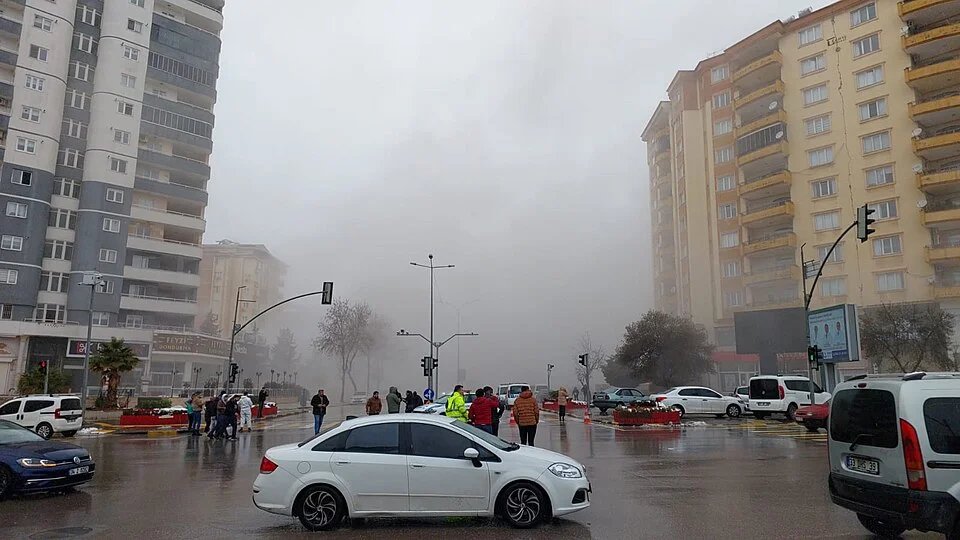
Anak Krakatau, the volcano that emerged in the Sunda Strait after the 1883 Krakatoa disaster, erupted late on Friday, spewing lava fountains and an ash plume that forced the closure of Jakarta’s Soekarno‑Hatta International Airport and three other regional airports until 18:00 local time on Monday. The eruption grounded more than 2,000 flights, leaving roughly 270,000 passengers stranded across the archipelago and prompting a cascade of travel disruptions, from long queues at departure halls to passengers sleeping on intercity trains. The ash cloud rose to about 6,000 metres over Java and 15,000 metres over Sumatra, prompting the Indonesian Geological Agency to warn that the probability of further eruptions remained high, while transport minister Dudy Purwagandhi stressed that the duration of the ashfall was uncertain due to dynamic weather conditions.
The fallout from the eruption extended beyond air travel, with schools in the affected region shifting to online instruction and shipping operations experiencing interruptions. Authorities imposed a 3‑kilometre exclusion zone around the active crater, barring both people and vessels from approaching the volcano; ships navigating the Sunda Strait were prohibited from entering the same radius, though officials confirmed there was no tsunami warning linked to the current activity. The eruption also forced conservation groups such as Save the Rhino International to cancel planned fieldwork at Java’s Ujung Kulon National Park after the alert level was raised, highlighting how the volcanic disturbance reverberated through environmental and tourism sectors already sensitive to the region’s ecological balance.
Individual stories illustrate the human dimension of the crisis: a 46‑year‑old traveler from Malang described crowded departure halls and repeated flight rescheduling, ultimately spending the night on trains before reaching Jakarta; a newlywed Malaysian couple, fresh from a Bali honeymoon, learned that the next flight to Kuala Lumpur would not depart until 11 September, jeopardising their limited budget and plans. Meanwhile, airport staff and officials continued to conduct ash‑density tests every half hour, attempting to gauge whether the plume was expanding or subsiding, while the geological agency reminded the public that Anak Krakatau, which collapsed in a 2018 event that generated a deadly tsunami, remains an active part of the Pacific Ring of Fire, a tectonic belt that hosts 75 percent of the world’s active volcanoes. The ongoing eruption therefore underscores Indonesia’s vulnerability to volcanic hazards and the broader challenges of maintaining critical infrastructure and public safety in a region marked by frequent seismic activity.
⚡ Effects Interpreter
🌍World Economymedium impact
What this means for you
- ▶The ripples can spread across borders, nudging growth forecasts here and there.
- ▶Investors abroad usually reprice their bets when news like this lands.
🏙️Local Economylow impact
What this means for you
- ▶Travel insurance might get pricier if a place is rated higher risk.
- ▶A little flexibility on dates can help dodge any price bump.
🏦Rates & Bankslow impact
What this means for you
- ▶Central banks watch moments like this closely, so keep an eye on savings rates.
- ▶Savers might glance at their account rate — lenders adjust after big events.
❤️Healthmedium impact
What this means for you
- ▶Staying hydrated and rested matters more on long trips than people admit.
- ▶Travellers heading there should check official advice and any jab requirements.
💷Wealthlow impact
What this means for you
- ▶Time in the market usually matters more than timing the market around a story like this.
- ▶It may be worth a brief look at your ISA or pension in the coming days.
🏠Housinglow impact
What this means for you
- ▶Renters may see costs drift a bit as landlords weigh their own bills.
- ▶Surveyors and valuers tend to factor in wider trends gradually, not overnight.
🌍 Effects for your country
The U.S.'s central bank rate currently stands at 3.75%, so a global rates move like this could feed through to local borrowing costs. The U.S.'s economy is growing at 2.3% with inflation at 3.2%, the backdrop this story's effects play out against locally. Housing-market effects like this are usually felt most where mortgage rates track the U.S.'s own central bank rate closely. With the U.S.'s unemployment at 4.4%, personal-finance effects like this land on a labour market that is currently fairly stable. Health-system effects are harder to localise from economic indicators alone — the real impact in the U.S. depends more on local healthcare capacity than the figures above.
The UK's central bank rate currently stands at 3.75%, so a global rates move like this could feed through to local borrowing costs. The UK's economy is growing at 0.8% with inflation at 3.2%, the backdrop this story's effects play out against locally. Housing-market effects like this are usually felt most where mortgage rates track the UK's own central bank rate closely. With the UK's unemployment at 5.6%, personal-finance effects like this land on a labour market that is currently fairly stable. Health-system effects are harder to localise from economic indicators alone — the real impact in the UK depends more on local healthcare capacity than the figures above.
France's central bank rate currently stands at 2%, so a global rates move like this could feed through to local borrowing costs. France's economy is growing at 0.9% with inflation at 1.8%, the backdrop this story's effects play out against locally. Housing-market effects like this are usually felt most where mortgage rates track France's own central bank rate closely. With France's unemployment at 7.9%, personal-finance effects like this land on a labour market that is already under strain. Health-system effects are harder to localise from economic indicators alone — the real impact in France depends more on local healthcare capacity than the figures above.
Romania's central bank rate currently stands at 6.5%, so a global rates move like this could feed through to local borrowing costs. Romania's economy is growing at 0.7% with inflation at 7.8%, the backdrop this story's effects play out against locally. Housing-market effects like this are usually felt most where mortgage rates track Romania's own central bank rate closely. With Romania's unemployment at 6%, personal-finance effects like this land on a labour market that is currently fairly stable. Health-system effects are harder to localise from economic indicators alone — the real impact in Romania depends more on local healthcare capacity than the figures above.
The UAE's central bank rate currently stands at 3.65%, so a global rates move like this could feed through to local borrowing costs. The UAE's economy is growing at 3.1% with inflation at 2.5%, the backdrop this story's effects play out against locally. Housing-market effects like this are usually felt most where mortgage rates track the UAE's own central bank rate closely. Health-system effects are harder to localise from economic indicators alone — the real impact in the UAE depends more on local healthcare capacity than the figures above.