Iran-backed Houthis seize near control of vital Bab el-Mandeb shipping lane
Source: France 24 ↗ (cross-verified by 3 outlets — full list below)
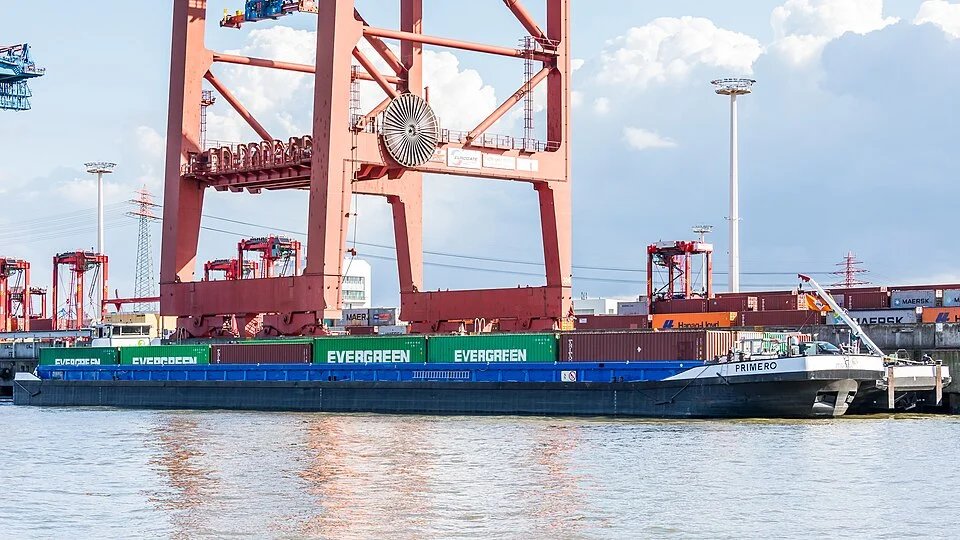
Iran‑aligned Houthi forces seized Perim Island at the entrance to the Bab el‑Mandeb Strait on Friday, expanding their control to the mainland Red Sea town of Dhubab after Yemeni government troops withdrew. The capture of the island, a key point in one of the world’s most vital shipping corridors, creates a new front in the conflict that pits Iran and its allies against the United States and Saudi Arabia, threatening the flow of Saudi oil exports that now rely heavily on the Red Sea route following the effective closure of the Strait of Hormuz earlier this year.
The strategic gain could give Tehran a significant advantage in its broader war with the United States by threatening a second major oil conduit, potentially tightening global supplies and pushing prices higher. Since the U.S. and Israeli strikes on Iran six months ago shut Hormuz, Saudi Arabia has depended on the Red Sea for its crude shipments, a reliance underscored by a recent drop in Saudi crude output to a three‑decade low of 6 million barrels per day, partly due to Houthi‑linked attacks on vessels transiting Bab el‑Mandeb. Iran has publicly urged the Houthis to intensify attacks on Saudi targets, promising additional funding, weapons and senior officers, while simultaneously denying direct command over the rebels.
In response, Saudi Crown Prince Mohammed bin Salman sought U.S. military assistance, contacting President Trump twice, though Washington indicated it would limit its role to intelligence sharing and targeting rather than direct combat. The Houthis, through spokesperson Yahya Saree, declared a navigation ban on Saudi vessels while claiming other shipping remains safe, and Yemeni government forces vowed to attempt to retake the seized coastal areas. The episode heightens regional tensions, with Iran set to meet representatives from Iraq and Gulf states in Oman to discuss safe commercial shipping routes, while oil prices hovered above $100 a barrel, marking the first weekly high since mid‑May.
⚡ Effects Interpreter
🌍World Economylow impact
What this means for you
- ▶Economies far from the headline can still catch the aftershocks.
- ▶Cross-border money flows can gradually change direction after events like this.
🏙️Local Economylow impact
What this means for you
- ▶High street footfall and spending can shift subtly after this kind of news.
- ▶Prices at your local shops may feel a gentle, indirect squeeze from this.
🏦Rates & Bankslow impact
What this means for you
- ▶Interest rates and mortgage bills are unlikely to jump straight away from this alone.
- ▶The next rate-setting meeting is a more likely trigger than this news alone.
❤️Healthmedium impact
What this means for you
- ▶Support networks, formal or informal, tend to matter most in moments like this.
- ▶Taking a break from the headlines can do more good than scrolling on.
💷Wealthmedium impact
What this means for you
- ▶Investors usually reshuffle their holdings when stories like this break.
- ▶Retirement plans are seldom derailed by news of this size alone.
🏠Housinglow impact
What this means for you
- ▶First-time buyers watching the market closely might see little change in the short term.
- ▶A patient seller usually fares better than one rushing to react to headlines.
🌍 Effects for your country
The U.S.'s central bank rate currently stands at 3.75%, so a global rates move like this could feed through to local borrowing costs. The U.S.'s economy is growing at 2.3% with inflation at 3.2%, the backdrop this story's effects play out against locally. Housing-market effects like this are usually felt most where mortgage rates track the U.S.'s own central bank rate closely. With the U.S.'s unemployment at 4.4%, personal-finance effects like this land on a labour market that is currently fairly stable. Health-system effects are harder to localise from economic indicators alone — the real impact in the U.S. depends more on local healthcare capacity than the figures above.
The UK's central bank rate currently stands at 3.75%, so a global rates move like this could feed through to local borrowing costs. The UK's economy is growing at 0.8% with inflation at 3.2%, the backdrop this story's effects play out against locally. Housing-market effects like this are usually felt most where mortgage rates track the UK's own central bank rate closely. With the UK's unemployment at 5.6%, personal-finance effects like this land on a labour market that is currently fairly stable. Health-system effects are harder to localise from economic indicators alone — the real impact in the UK depends more on local healthcare capacity than the figures above.
France's central bank rate currently stands at 2%, so a global rates move like this could feed through to local borrowing costs. France's economy is growing at 0.9% with inflation at 1.8%, the backdrop this story's effects play out against locally. Housing-market effects like this are usually felt most where mortgage rates track France's own central bank rate closely. With France's unemployment at 7.9%, personal-finance effects like this land on a labour market that is already under strain. Health-system effects are harder to localise from economic indicators alone — the real impact in France depends more on local healthcare capacity than the figures above.
Romania's central bank rate currently stands at 6.5%, so a global rates move like this could feed through to local borrowing costs. Romania's economy is growing at 0.7% with inflation at 7.8%, the backdrop this story's effects play out against locally. Housing-market effects like this are usually felt most where mortgage rates track Romania's own central bank rate closely. With Romania's unemployment at 6%, personal-finance effects like this land on a labour market that is currently fairly stable. Health-system effects are harder to localise from economic indicators alone — the real impact in Romania depends more on local healthcare capacity than the figures above.
The UAE's central bank rate currently stands at 3.65%, so a global rates move like this could feed through to local borrowing costs. The UAE's economy is growing at 3.1% with inflation at 2.5%, the backdrop this story's effects play out against locally. Housing-market effects like this are usually felt most where mortgage rates track the UAE's own central bank rate closely. Health-system effects are harder to localise from economic indicators alone — the real impact in the UAE depends more on local healthcare capacity than the figures above.