Nepal observes national day of mourning for victims of flash flood disaster
Source: BBC World ↗ (cross-verified by 2 outlets — full list below)
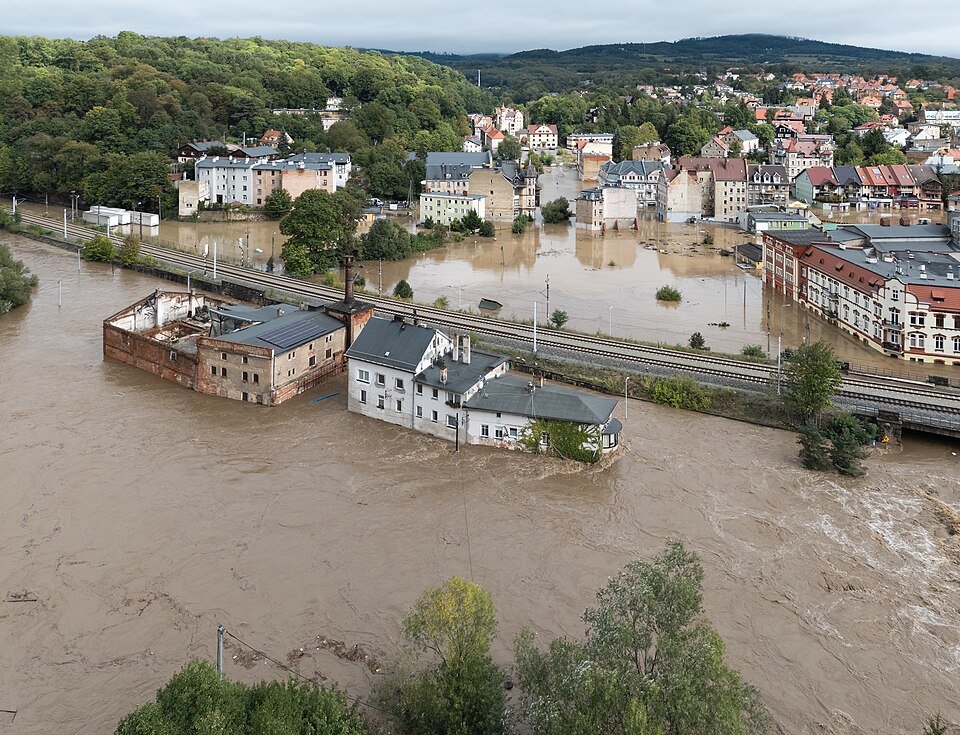
A national day of mourning was observed across Nepal on Monday, marking the final day of the traditional 13‑day Hindu mourning period for the victims of a devastating flash flood that swept through villages in a Himalayan valley on the Nepal‑Tibet border. The disaster, believed to have been triggered by a glacial collapse, has claimed at least 1,287 lives, with more than 5,000 people still missing. Flags flew at half‑mast on government buildings and diplomatic missions, while candlelight vigils were planned for the evening. President Ram Chandra Paudel visited the hardest‑hit areas, and the Home Ministry ordered the half‑mast display to underscore the nation’s grief.
Rescue operations remain intensive, focusing on three fronts: ground searches, aerial missions, and efforts inside the region’s hydropower tunnels, where hundreds of workers are among the missing. The Nepalese Army’s spokesperson, Raja Ram Basnet, said the tempo of the search is unchanged from the first day, and Australian tunnel‑rescue specialist Arnold Dix, advising Nepali teams, highlighted the complexity of simultaneous rescues in multiple hazardous locations. So far, four people have been rescued in recent days, including a 64‑year‑old woman pulled from a mud‑buried home in Nuwakot district after more than ten days. Chinese rescue crews on the Tibetan side recovered twelve bodies, reporting 31 deaths and 531 missing, while Nepal’s National Emergency Operation Centre confirmed that no government programmes would be held as the search continues.
The ongoing crisis underscores Nepal’s vulnerability stemming from its reliance on hydropower infrastructure, which now lies at the heart of rescue challenges. The survival of a few, such as the elderly woman and recent tunnel rescues, offers a glimmer of hope, but the scale of the disaster—over five thousand still unaccounted for—means the nation faces a prolonged period of mourning and recovery, with implications for future flood preparedness and the sustainability of its hydropower‑dependent economy.
⚡ Effects Interpreter
🌍World Economymedium impact
What this means for you
- ▶International confidence can wobble, then steady, as politics plays out.
- ▶Diplomatic ties can shift subtly whenever politics takes a new turn.
🏙️Local Economylow impact
What this means for you
- ▶Household budgets might notice a slight ripple before long.
- ▶Jobs and trade close to home may feel a soft knock-on effect.
🏦Rates & Bankslow impact
What this means for you
- ▶Mortgage lenders might pause new offers until the political dust settles.
- ▶Savers could see little change until the wider picture becomes clearer.
❤️Healthlow impact
What this means for you
- ▶Community wellbeing may dip a touch while people wait for clarity.
- ▶Day-to-day stress can creep up if this starts touching familiar routines.
💷Wealthlow impact
What this means for you
- ▶It may be worth a quick look at your ISA or pension in the coming days.
- ▶Keeping perspective on your timeline usually beats reacting to any single story.
🏠Housinglow impact
What this means for you
- ▶Mortgage shoppers may find deals shift only slightly in the short term.
- ▶Renters could see costs drift a little as landlords weigh their own bills.
🌍 Effects for your country
The U.S.'s central bank rate currently stands at 3.75%, so a global rates move like this could feed through to local borrowing costs. The U.S.'s economy is growing at 2.3% with inflation at 3.2%, the backdrop this story's effects play out against locally. Housing-market effects like this are usually felt most where mortgage rates track the U.S.'s own central bank rate closely. With the U.S.'s unemployment at 4.4%, personal-finance effects like this land on a labour market that is currently fairly stable. Health-system effects are harder to localise from economic indicators alone — the real impact in the U.S. depends more on local healthcare capacity than the figures above.
The UK's central bank rate currently stands at 3.75%, so a global rates move like this could feed through to local borrowing costs. The UK's economy is growing at 0.8% with inflation at 3.2%, the backdrop this story's effects play out against locally. Housing-market effects like this are usually felt most where mortgage rates track the UK's own central bank rate closely. With the UK's unemployment at 5.6%, personal-finance effects like this land on a labour market that is currently fairly stable. Health-system effects are harder to localise from economic indicators alone — the real impact in the UK depends more on local healthcare capacity than the figures above.
France's central bank rate currently stands at 2%, so a global rates move like this could feed through to local borrowing costs. France's economy is growing at 0.9% with inflation at 1.8%, the backdrop this story's effects play out against locally. Housing-market effects like this are usually felt most where mortgage rates track France's own central bank rate closely. With France's unemployment at 7.9%, personal-finance effects like this land on a labour market that is already under strain. Health-system effects are harder to localise from economic indicators alone — the real impact in France depends more on local healthcare capacity than the figures above.
Romania's central bank rate currently stands at 6.5%, so a global rates move like this could feed through to local borrowing costs. Romania's economy is growing at 0.7% with inflation at 7.8%, the backdrop this story's effects play out against locally. Housing-market effects like this are usually felt most where mortgage rates track Romania's own central bank rate closely. With Romania's unemployment at 6%, personal-finance effects like this land on a labour market that is currently fairly stable. Health-system effects are harder to localise from economic indicators alone — the real impact in Romania depends more on local healthcare capacity than the figures above.
The UAE's central bank rate currently stands at 3.65%, so a global rates move like this could feed through to local borrowing costs. The UAE's economy is growing at 3.1% with inflation at 2.5%, the backdrop this story's effects play out against locally. Housing-market effects like this are usually felt most where mortgage rates track the UAE's own central bank rate closely. Health-system effects are harder to localise from economic indicators alone — the real impact in the UAE depends more on local healthcare capacity than the figures above.