Saudi Arabia says it shot down Houthi drone south of Mecca
Source: BBC World ↗ (cross-verified by 4 outlets — full list below)
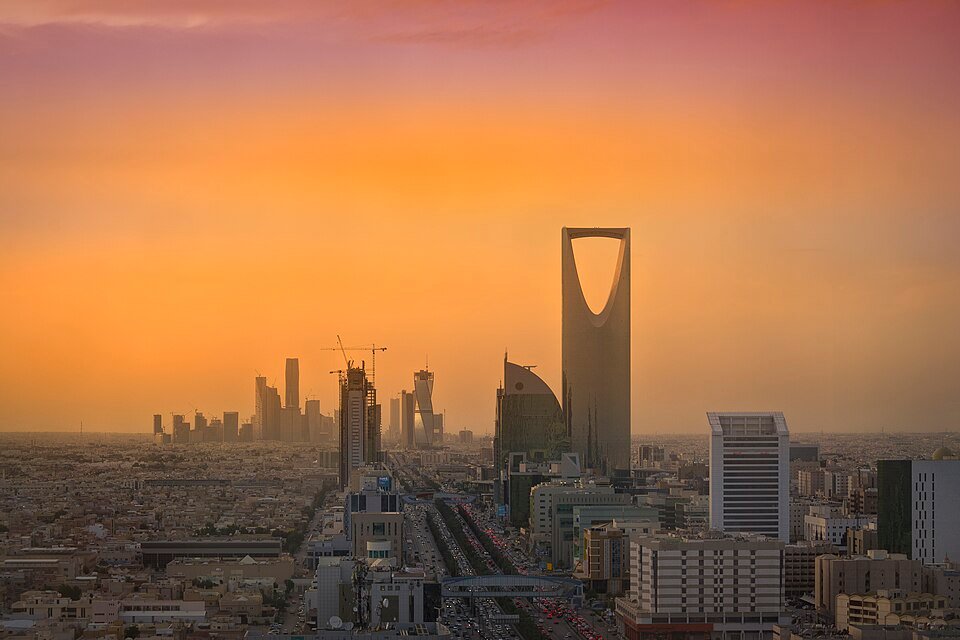
Saudi Arabia’s coalition forces intercepted and destroyed a Houthi‑launched drone south of Mecca on Tuesday evening, a move the coalition spokesman Turki al‑Maliki condemned as a “disgraceful act” against Islam’s holiest city. The incident prompted the Organisation of Islamic Cooperation, representing 57 nations, to label attacks on the Mecca‑Medina province “unacceptable and intolerable.” While the coalition asserted the drone threatened the sacred area, the Iran‑backed Houthi movement denied any intent to target religious sites, insisting their operations focus on Saudi oil facilities and military bases and are “far removed from the holy places.” Houthi military spokesman Yahya Sarea claimed the drone launch was part of a broader retaliation for more than 450 Saudi airstrikes on Houthi‑held territory in the previous week, adding that the group had also downed a Saudi fighter jet over Marib province.
The broader context of the encounter reflects an escalating regional confrontation that has already disrupted critical maritime routes and energy infrastructure. In recent weeks the Houthis have seized key Red Sea coastal positions, including the port city of Mokha and Perim Island at the Bab al‑Mandab Strait, threatening Saudi‑linked shipping while asserting they do not endanger international vessels. Simultaneously, Saudi Arabia’s east‑west crude pipeline, vital for moving oil from the Gulf to the Red Sea port of Yanbu, suffered severe damage in a strike the kingdom attributes to Iran‑backed militias, prompting concerns over repair timelines that could extend beyond a month, though U.S. Energy Secretary Chris Wright expressed optimism for a rapid fix. The United States, while refraining from direct military involvement, has offered intelligence and targeting assistance, and President Donald Trump has been urged by Crown Prince Mohammed bin Salman to take stronger action against the Houthis.
International bodies have responded to the heightened tensions with calls for decisive measures to safeguard navigation and humanitarian conditions. The United Nations Security Council convened an emergency session, where both Yemen’s internationally recognised government and Saudi Arabia appealed for stronger action against the Houthis, accusing them of using a maritime embargo to exert economic pressure on the Bab al‑Mandab Strait. The council underscored the necessity of maintaining Red Sea freedom of navigation to protect global supply chains. Meanwhile, the humanitarian fallout continues to worsen: the International Organization for Migration reports over 90,000 displaced Yemenis, and the World Health Organization notes at least 500 deaths since early August, bringing the conflict’s death toll to more than 150,000 and leaving 22 million people in need of aid. The unraveling of a four‑year informal ceasefire in July has intensified the cycle of missile and drone attacks, underscoring the fragile security environment surrounding the holy sites and the broader geopolitical stakes in the region.
⚡ Effects Interpreter
🌍World Economymedium impact
What this means for you
- ▶A story like this rarely stays local for long in a connected economy.
- ▶Investors abroad typically reprice their bets when this kind of news lands.
🏙️Local Economymedium impact
What this means for you
- ▶Your local economy has a way of catching these currents eventually.
- ▶The cost of a weekly food shop can creep up in the background.
🏦Rates & Bankslow impact
What this means for you
- ▶Lenders often hold their nerve until a clearer trend appears.
- ▶The cost of borrowing tends to shift gradually rather than in one leap.
❤️Healthmedium impact
What this means for you
- ▶Checking in on vulnerable neighbours matters when news feels heavy.
- ▶Day-to-day stress can creep up if this starts touching familiar routines.
💷Wealthlow impact
What this means for you
- ▶A modest, well-diversified nest egg tends to absorb shocks like this subtly.
- ▶It's a reasonable moment to check your investments are still on track.
🏠Housinglow impact
What this means for you
- ▶Property values usually need more than one headline to really move.
- ▶First-time buyers watching the market closely might see little change in the short term.
🌍 Effects for your country
The U.S.'s central bank rate currently stands at 3.75%, so a global rates move like this could feed through to local borrowing costs. The U.S.'s economy is growing at 2.3% with inflation at 3.2%, the backdrop this story's effects play out against locally. Housing-market effects like this are usually felt most where mortgage rates track the U.S.'s own central bank rate closely. With the U.S.'s unemployment at 4.4%, personal-finance effects like this land on a labour market that is currently fairly stable. Health-system effects are harder to localise from economic indicators alone — the real impact in the U.S. depends more on local healthcare capacity than the figures above.
The UK's central bank rate currently stands at 3.75%, so a global rates move like this could feed through to local borrowing costs. The UK's economy is growing at 0.8% with inflation at 3.2%, the backdrop this story's effects play out against locally. Housing-market effects like this are usually felt most where mortgage rates track the UK's own central bank rate closely. With the UK's unemployment at 5.6%, personal-finance effects like this land on a labour market that is currently fairly stable. Health-system effects are harder to localise from economic indicators alone — the real impact in the UK depends more on local healthcare capacity than the figures above.
France's central bank rate currently stands at 2%, so a global rates move like this could feed through to local borrowing costs. France's economy is growing at 0.9% with inflation at 1.8%, the backdrop this story's effects play out against locally. Housing-market effects like this are usually felt most where mortgage rates track France's own central bank rate closely. With France's unemployment at 7.9%, personal-finance effects like this land on a labour market that is already under strain. Health-system effects are harder to localise from economic indicators alone — the real impact in France depends more on local healthcare capacity than the figures above.
Romania's central bank rate currently stands at 6.5%, so a global rates move like this could feed through to local borrowing costs. Romania's economy is growing at 0.7% with inflation at 7.8%, the backdrop this story's effects play out against locally. Housing-market effects like this are usually felt most where mortgage rates track Romania's own central bank rate closely. With Romania's unemployment at 6%, personal-finance effects like this land on a labour market that is currently fairly stable. Health-system effects are harder to localise from economic indicators alone — the real impact in Romania depends more on local healthcare capacity than the figures above.
The UAE's central bank rate currently stands at 3.65%, so a global rates move like this could feed through to local borrowing costs. The UAE's economy is growing at 3.1% with inflation at 2.5%, the backdrop this story's effects play out against locally. Housing-market effects like this are usually felt most where mortgage rates track the UAE's own central bank rate closely. Health-system effects are harder to localise from economic indicators alone — the real impact in the UAE depends more on local healthcare capacity than the figures above.