Strong August US payrolls report bolsters odds of September rate rise
Source: FT Economics ↗ (cross-verified by 3 outlets — full list below)
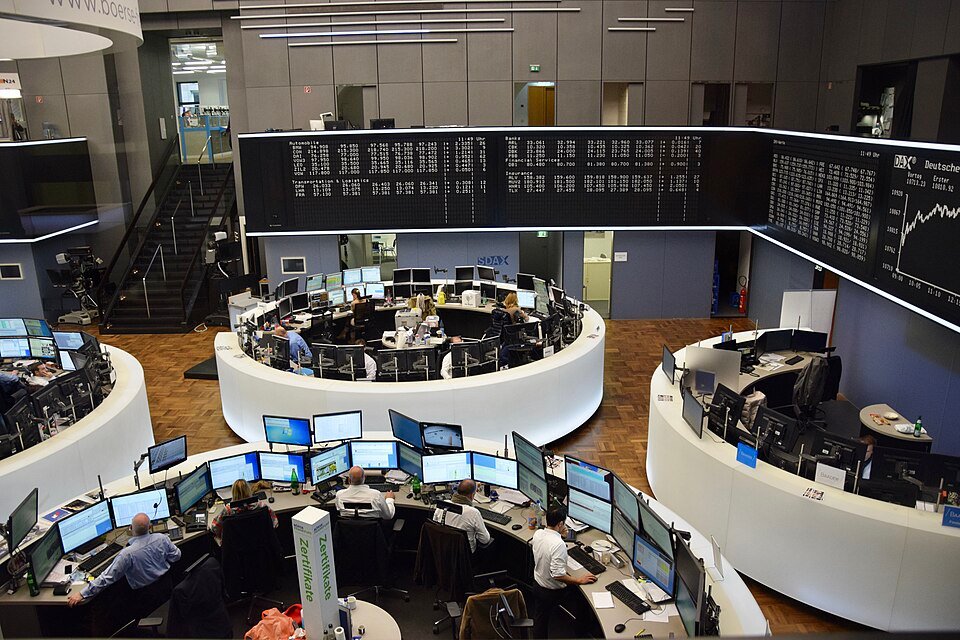
Job numbers well above consensus, adding to hawks’ argument that inflation is a bigger problem than the labour market Nonfarm payrolls were expected to increase by 53,000 in August while the unemployment rate held at 4.1%, according to the Dow Jones consensus.
Construction added 22,000 jobs, real estate lost 3,200, and economists pointed to inflation as the next catalyst.
⚡ Effects Interpreter
🌍World Economymedium impact
What this means for you
- ▶Ripples can spread from one exchange to the next within hours.
- ▶Algorithms often react to this kind of news before a human even reads it.
🏙️Local Economylow impact
What this means for you
- ▶The knock-on for local trade is usually gradual rather than sudden.
- ▶Everyday spending habits nearby could shift once the news sinks in.
🏦Rates & Banksmedium impact
What this means for you
- ▶Any move in rates would probably come later, not overnight.
- ▶Rate decisions tend to follow data, not headlines, so patience is the norm.
❤️Healthmedium impact
What this means for you
- ▶Keeping a normal routine typically helps steady the nerves during unsettling news.
- ▶Local wellbeing services are there precisely for moments when news feels overwhelming.
💷Wealthlow impact
What this means for you
- ▶Market wobbles like this tend to smooth over with time.
- ▶It may be a day to check, but rarely a day to panic, over your portfolio.
🏠Housinglow impact
What this means for you
- ▶Landlords and tenants alike rarely feel sudden shifts from news like this.
- ▶Rental yields in the area may shift only slightly, if at all, from this.
🌍 Effects for your country
The U.S.'s central bank rate currently stands at 3.75%, so a global rates move like this could feed through to local borrowing costs. The U.S.'s economy is growing at 2.3% with inflation at 3.2%, the backdrop this story's effects play out against locally. Housing-market effects like this are usually felt most where mortgage rates track the U.S.'s own central bank rate closely. With the U.S.'s unemployment at 4.4%, personal-finance effects like this land on a labour market that is currently fairly stable. Health-system effects are harder to localise from economic indicators alone — the real impact in the U.S. depends more on local healthcare capacity than the figures above.
The UK's central bank rate currently stands at 3.75%, so a global rates move like this could feed through to local borrowing costs. The UK's economy is growing at 0.8% with inflation at 3.2%, the backdrop this story's effects play out against locally. Housing-market effects like this are usually felt most where mortgage rates track the UK's own central bank rate closely. With the UK's unemployment at 5.6%, personal-finance effects like this land on a labour market that is currently fairly stable. Health-system effects are harder to localise from economic indicators alone — the real impact in the UK depends more on local healthcare capacity than the figures above.
France's central bank rate currently stands at 2%, so a global rates move like this could feed through to local borrowing costs. France's economy is growing at 0.9% with inflation at 1.8%, the backdrop this story's effects play out against locally. Housing-market effects like this are usually felt most where mortgage rates track France's own central bank rate closely. With France's unemployment at 7.9%, personal-finance effects like this land on a labour market that is already under strain. Health-system effects are harder to localise from economic indicators alone — the real impact in France depends more on local healthcare capacity than the figures above.
Romania's central bank rate currently stands at 6.5%, so a global rates move like this could feed through to local borrowing costs. Romania's economy is growing at 0.7% with inflation at 7.8%, the backdrop this story's effects play out against locally. Housing-market effects like this are usually felt most where mortgage rates track Romania's own central bank rate closely. With Romania's unemployment at 6%, personal-finance effects like this land on a labour market that is currently fairly stable. Health-system effects are harder to localise from economic indicators alone — the real impact in Romania depends more on local healthcare capacity than the figures above.
The UAE's central bank rate currently stands at 3.65%, so a global rates move like this could feed through to local borrowing costs. The UAE's economy is growing at 3.1% with inflation at 2.5%, the backdrop this story's effects play out against locally. Housing-market effects like this are usually felt most where mortgage rates track the UAE's own central bank rate closely. Health-system effects are harder to localise from economic indicators alone — the real impact in the UAE depends more on local healthcare capacity than the figures above.