US slaps import ban on Canadian alcohol, motorbikes and other goods
Source: BBC World ↗ (cross-verified by 2 outlets — full list below)
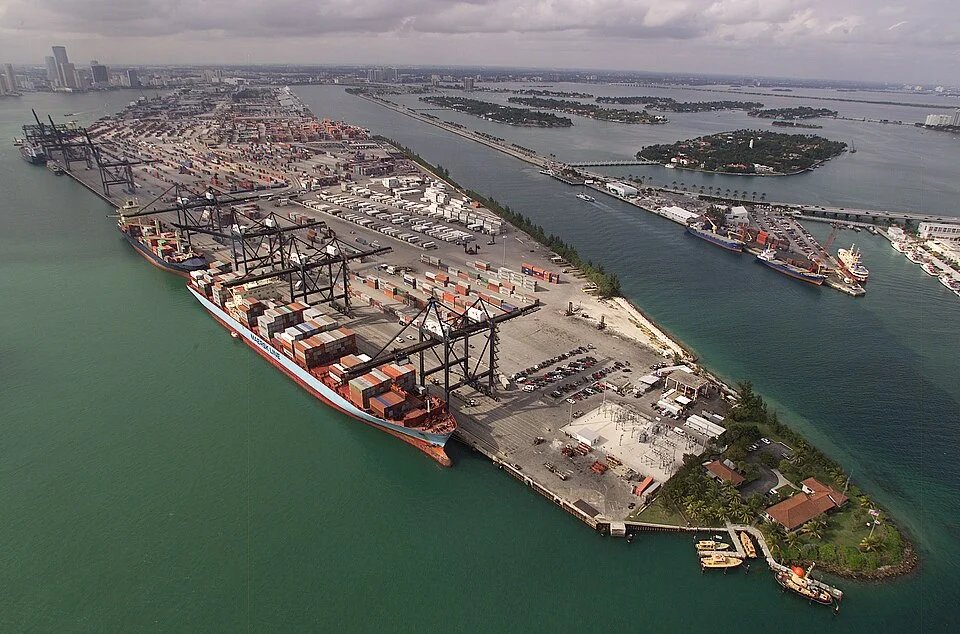
President Donald Trump announced a new series of executive orders that will bar the import of several Canadian products, including alcohol, motorbikes and other goods, beginning 29 September. The move follows his claim that Canada is “discriminating” against U.S. businesses by restricting American imports while allowing the same products from other countries. The ban adds to a series of trade measures already in place, such as the 50 percent tariffs imposed last month on roughly $20 billion of Canadian exports, and comes as Canada’s own counter‑tariffs on U.S. steel, clothing and furniture took effect after midnight on Tuesday. Both leaders have expressed a desire to reach a new trade deal, but no fresh negotiations have been scheduled since talks collapsed in late August.
The immediate consequence of the new restrictions is a likely rise in prices and a drop in sales for businesses on both sides of the border. Analysts note that while the import ban could have a “strong” impact on Canadian firms that rely on U.S. buyers, early estimates suggest the overall effect may be modest, affecting about $1 billion worth of goods. Sectors already hit by earlier tariffs—such as furniture, wine, sporting and fishing equipment—face additional pressure, and products like whey and non‑alcoholic beer are now completely prohibited. Trade expert Deborah Elms of the Hinrich Foundation warned that the language of the proclamations is not conducive to reopening negotiations, and that Canada will likely adjust its business‑support measures to mitigate the impact while maintaining its current course.
The escalation marks a broader deterioration in U.S.–Canada relations that extends beyond tariffs, illustrated by symbolic actions such as Trump’s August order to rename Lake Ontario as “Lake America,” which sparked outrage in Canada. Canadian Prime Minister Mark Carney, speaking in a video address, acknowledged that the pivot away from the United States as its largest trading partner “will come at a cost,” but argued that inaction would be even more costly. Amid growing consumer boycotts of U.S. products like alcohol, the dispute underscores the fragility of a trade relationship where more than two‑thirds of Canada’s exports go to its southern neighbor, and highlights the challenge of reconciling protectionist policies with the economic interdependence of the two countries.
⚡ Effects Interpreter
🌍World Economylow impact
What this means for you
- ▶Central banks abroad could recalibrate their own outlook off the back of this.
- ▶A ripple in one major economy can nudge sentiment in several others.
🏙️Local Economylow impact
What this means for you
- ▶Your take-home pay could feel an indirect pull from shifts like this.
- ▶Local hiring plans may firm up or soften as the wider trend becomes clear.
🏦Rates & Bankslow impact
What this means for you
- ▶Savings accounts may see their rates nudged only after a broader trend emerges.
- ▶Your loan or mortgage rate is more likely to drift than to lurch here.
❤️Healthmedium impact
What this means for you
- ▶Sleep and appetite can be the first quiet casualties of unsettling news.
- ▶A short walk or a chat with a friend can do wonders when headlines feel heavy.
💷Wealthlow impact
What this means for you
- ▶Your pension or investments might sway a touch as markets digest this.
- ▶It's rarely wise to make big financial decisions purely on breaking news.
🏠Housinglow impact
What this means for you
- ▶Mortgage deals could edge around if lenders read the wider mood.
- ▶A cooling or warming market usually takes months to fully show up in prices.
🌍 Effects for your country
The U.S.'s central bank rate currently stands at 3.75%, so a global rates move like this could feed through to local borrowing costs. The U.S.'s economy is growing at 2.3% with inflation at 3.2%, the backdrop this story's effects play out against locally. Housing-market effects like this are usually felt most where mortgage rates track the U.S.'s own central bank rate closely. With the U.S.'s unemployment at 4.4%, personal-finance effects like this land on a labour market that is currently fairly stable. Health-system effects are harder to localise from economic indicators alone — the real impact in the U.S. depends more on local healthcare capacity than the figures above.
The UK's central bank rate currently stands at 3.75%, so a global rates move like this could feed through to local borrowing costs. The UK's economy is growing at 0.8% with inflation at 3.2%, the backdrop this story's effects play out against locally. Housing-market effects like this are usually felt most where mortgage rates track the UK's own central bank rate closely. With the UK's unemployment at 5.6%, personal-finance effects like this land on a labour market that is currently fairly stable. Health-system effects are harder to localise from economic indicators alone — the real impact in the UK depends more on local healthcare capacity than the figures above.
France's central bank rate currently stands at 2%, so a global rates move like this could feed through to local borrowing costs. France's economy is growing at 0.9% with inflation at 1.8%, the backdrop this story's effects play out against locally. Housing-market effects like this are usually felt most where mortgage rates track France's own central bank rate closely. With France's unemployment at 7.9%, personal-finance effects like this land on a labour market that is already under strain. Health-system effects are harder to localise from economic indicators alone — the real impact in France depends more on local healthcare capacity than the figures above.
Romania's central bank rate currently stands at 6.5%, so a global rates move like this could feed through to local borrowing costs. Romania's economy is growing at 0.7% with inflation at 7.8%, the backdrop this story's effects play out against locally. Housing-market effects like this are usually felt most where mortgage rates track Romania's own central bank rate closely. With Romania's unemployment at 6%, personal-finance effects like this land on a labour market that is currently fairly stable. Health-system effects are harder to localise from economic indicators alone — the real impact in Romania depends more on local healthcare capacity than the figures above.
The UAE's central bank rate currently stands at 3.65%, so a global rates move like this could feed through to local borrowing costs. The UAE's economy is growing at 3.1% with inflation at 2.5%, the backdrop this story's effects play out against locally. Housing-market effects like this are usually felt most where mortgage rates track the UAE's own central bank rate closely. Health-system effects are harder to localise from economic indicators alone — the real impact in the UAE depends more on local healthcare capacity than the figures above.