Whisky galore – and now plenty more besides: exploring the Scottish island of Islay
Source: Guardian Travel ↗
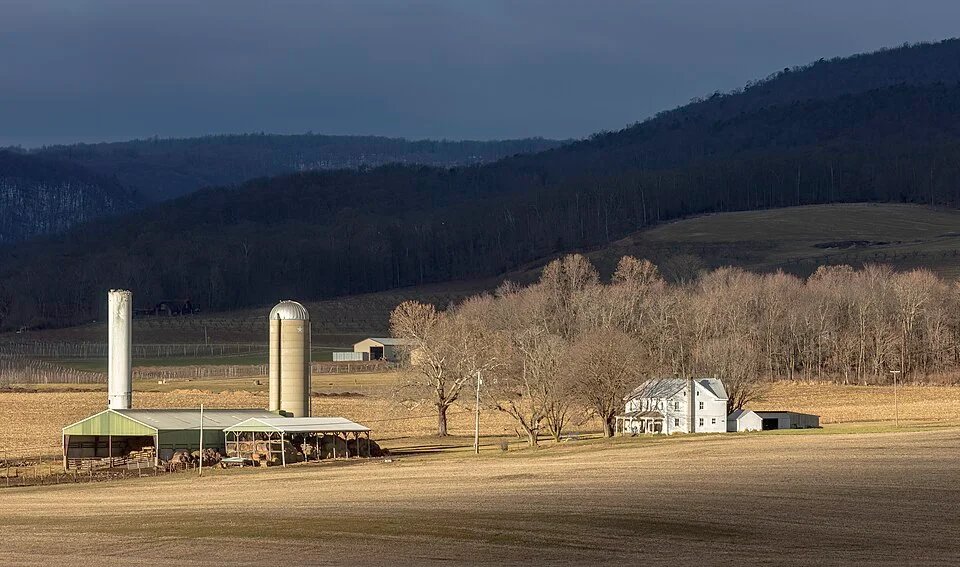
Distilleries are the economic engine of Islay, the western Scottish island famed for its heavily peated single malts, and their influence now stretches far beyond whisky production. Ten working distilleries—soon to become eleven—anchor a burgeoning tourism sector, while also underpinning a diverse array of local enterprises, from breweries and farms to restaurants and chocolatiers. The revival of barley cultivation, spearheaded by Bruichladdich, has coaxed 21 island farms back into grain growing, supplying half of the distillery’s needs and even prompting experimental rye crops. This agricultural resurgence follows the collapse of the island’s dairy industry after the last creamery closed in 2000, offering farmers a viable alternative to traditional livestock. Employees like Eva MacIntyre, a Bruichladdich brand ambassador who grew up on Islay, illustrate how whisky has become a communal lifeline; she notes that virtually every family now has at least one member working in the sector, and that distilleries routinely share equipment and resources, fostering a collaborative rather than competitive environment.
The ripple effects of the whisky boom are evident in the island’s infrastructure and ancillary businesses. A full‑time fire service, rare for rural Scotland, and a heated swimming pool powered by waste heat from the Bowmore distillery exemplify how whisky revenues fund public amenities. The island’s own brewery, Islay Ales, opened a new brewhouse in 2023 and recycles its spent grain as animal feed while treating wastewater through reed beds, creating a closed‑loop system that benefits local farms. Culinary ventures have likewise flourished: Lochindaal Seafood Kitchen, evolved from a family pub, now serves lavish seafood platters sourced from generations of local fishers, while Ardbeg House in Port Ellen has been transformed into a themed hotel and restaurant that pairs its dishes with the distillery’s spirits, even baking bread with eight‑year‑old Ardbg whisky. Chocolatiers are crafting confections designed to complement specific malts, and producers like Eva’s partner offer sea salt, coffee and sourdough sourced from neighboring Jura, underscoring a thriving food‑and‑drink ecosystem anchored by whisky.
These developments have reshaped Islay’s demographic and cultural landscape, countering a long‑term population decline that saw residents fall from about 15,000 before the Clearances to just over 3,000 today. By providing year‑round employment and stimulating complementary industries, the whisky sector is revitalising the island’s economy and preserving its heritage. The collaborative spirit among distilleries, farms, and hospitality businesses suggests a sustainable model that could sustain Islay’s community for generations, while also enhancing its reputation as a destination where world‑class spirits are matched by equally compelling local cuisine and experiences.
⚡ Effects Interpreter
🌍World Economymedium impact
What this means for you
- ▶A story like this rarely stays local for long in a connected economy.
- ▶Foreign direct investment decisions can hinge on how this plays out.
🏙️Local Economylow impact
What this means for you
- ▶Popular booking sites tend to reflect changing demand within days.
- ▶Airlines may add or cut routes depending on how travel patterns change.
🏦Rates & Banksmedium impact
What this means for you
- ▶Your monthly repayments are far more likely to hold steady than to spike.
- ▶Lenders usually hold their nerve until a clearer trend appears.
❤️Healthmedium impact
What this means for you
- ▶A short chat with a travel clinic can settle any health questions early.
- ▶A little planning keeps a trip healthy and happy.
💷Wealthlow impact
What this means for you
- ▶A brief dip in value is not the same as a permanent loss.
- ▶Your pension or investments might sway a touch as markets digest this.
🏠Housinglow impact
What this means for you
- ▶Asking prices in the area may firm up or soften only gradually.
- ▶Rental yields in the area might shift only slightly, if at all, from this.
🌍 Effects for your country
The U.S.'s central bank rate currently stands at 3.75%, so a global rates move like this could feed through to local borrowing costs. The U.S.'s economy is growing at 2.3% with inflation at 3.2%, the backdrop this story's effects play out against locally. Housing-market effects like this are usually felt most where mortgage rates track the U.S.'s own central bank rate closely. With the U.S.'s unemployment at 4.4%, personal-finance effects like this land on a labour market that is currently fairly stable. Health-system effects are harder to localise from economic indicators alone — the real impact in the U.S. depends more on local healthcare capacity than the figures above.
The UK's central bank rate currently stands at 3.75%, so a global rates move like this could feed through to local borrowing costs. The UK's economy is growing at 0.8% with inflation at 3.2%, the backdrop this story's effects play out against locally. Housing-market effects like this are usually felt most where mortgage rates track the UK's own central bank rate closely. With the UK's unemployment at 5.6%, personal-finance effects like this land on a labour market that is currently fairly stable. Health-system effects are harder to localise from economic indicators alone — the real impact in the UK depends more on local healthcare capacity than the figures above.
France's central bank rate currently stands at 2%, so a global rates move like this could feed through to local borrowing costs. France's economy is growing at 0.9% with inflation at 1.8%, the backdrop this story's effects play out against locally. Housing-market effects like this are usually felt most where mortgage rates track France's own central bank rate closely. With France's unemployment at 7.9%, personal-finance effects like this land on a labour market that is already under strain. Health-system effects are harder to localise from economic indicators alone — the real impact in France depends more on local healthcare capacity than the figures above.
Romania's central bank rate currently stands at 6.5%, so a global rates move like this could feed through to local borrowing costs. Romania's economy is growing at 0.7% with inflation at 7.8%, the backdrop this story's effects play out against locally. Housing-market effects like this are usually felt most where mortgage rates track Romania's own central bank rate closely. With Romania's unemployment at 6%, personal-finance effects like this land on a labour market that is currently fairly stable. Health-system effects are harder to localise from economic indicators alone — the real impact in Romania depends more on local healthcare capacity than the figures above.
The UAE's central bank rate currently stands at 3.65%, so a global rates move like this could feed through to local borrowing costs. The UAE's economy is growing at 3.1% with inflation at 2.5%, the backdrop this story's effects play out against locally. Housing-market effects like this are usually felt most where mortgage rates track the UAE's own central bank rate closely. Health-system effects are harder to localise from economic indicators alone — the real impact in the UAE depends more on local healthcare capacity than the figures above.