Controversial vaccine trial touted by RFK Jr gets go-ahead in Guinea-Bissau
Source: Guardian World ↗
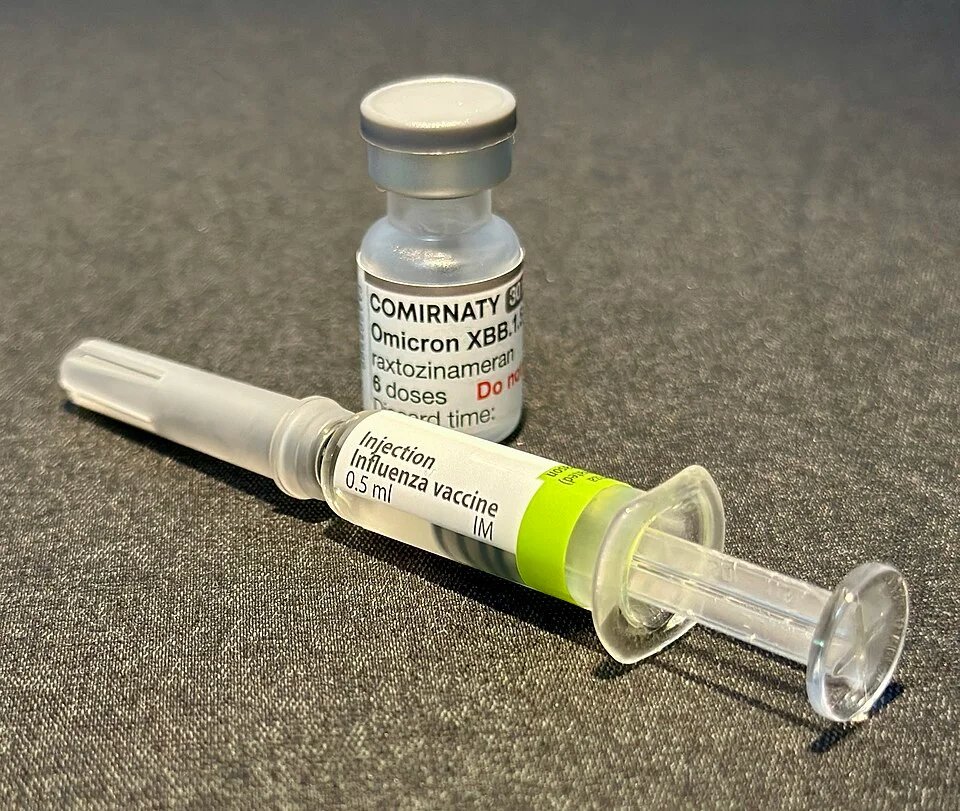
A research trial that will withhold the hepatitis B birth‑dose vaccine from half of 14,000 newborns in Guinea‑Bissau has received ethical clearance to proceed. The study, led by Danish investigators from the University of Southern Denmark, will randomly assign infants of hepatitis‑negative mothers to either receive the vaccine at birth or have the dose delayed for six weeks, exposing the latter group to a heightened risk of infection. The protocol was approved this week by the university’s ethics committee and by Guinea‑Bissau’s health ministry, despite earlier statements that the project had been suspended after international criticism. Funding comes from a $1.6 million allocation in the U.S. Centers for Disease Control and Prevention’s budget, matched by private contributions from the Pershing Square Foundation and the Bluebell Foundation. The trial is a centerpiece of Robert F. Kennedy Jr.’s anti‑vaccine agenda, which he has promoted at recent anti‑vaccine conferences as an example of the Trump administration’s “vaccine‑skeptical” policies, and he has expressed a desire to eliminate the birth‑dose recommendation in the United States.
The ethical controversy centers on the deliberate exposure of healthy infants to a preventable disease for research purposes, a practice many experts deem unacceptable. Critics, including infectious‑disease specialist Paul Offit, argue that the study exploits a developing nation, noting that the same trial could not be conducted in the United States because of its profound ethical violations. Several members of the Danish ethics panel, including founding reviewer Stig Børsen Hansen, resigned in protest, calling the randomisation a “lottery” that intentionally places children at risk of hepatitis B, which can cause lifelong liver damage. The protocol also raises scientific concerns: hepatitis B can be transmitted through casual contact, the virus survives on surfaces for up to a week, and the maternal screening test used has a 5 percent false‑negative rate, potentially misclassifying infected mothers as safe. Decades of research have shown the birth‑dose vaccine to be highly beneficial, making the deliberate withholding of it appear both medically unnecessary and ethically indefensible.
The approval has sparked broader debate about the conduct of international medical research and the responsibilities of funding bodies. According to the Helsinki Declaration, such studies must obtain ethical clearance from both the sponsor’s and host country’s committees, yet the Danish national ethics board, which normally oversees domestic research, had to amend its rules to consider this overseas trial. Danish professor Henrik Støvring highlighted the irregularity of involving a committee without prior experience in medical studies, and noted that the trial could have been conducted in Denmark, where universal maternal hepatitis B testing already determines vaccine administration. The lack of response from the CDC, the Danish researchers, and Guinea‑Bissau officials to inquiries underscores the opacity surrounding the project. If carried out, the trial could set a precedent for future research that places vulnerable populations at risk, while also potentially influencing vaccine policy discussions in the United States, where Kennedy hopes to curtail the birth‑dose recommendation.
⚡ Effects Interpreter
🌍World Economylow impact
What this means for you
- ▶Currency traders elsewhere may start pricing in the fallout within hours.
- ▶Confidence among international firms may wobble until the picture clears.
🏙️Local Economylow impact
What this means for you
- ▶Household budgets may notice a slight ripple before long.
- ▶Modest businesses nearby might tweak their prices in the weeks ahead.
🏦Rates & Bankslow impact
What this means for you
- ▶Mortgage offers may firm up or soften as the picture becomes clearer.
- ▶Your monthly repayments are far more likely to hold steady than to spike.
❤️Healthmedium impact
What this means for you
- ▶A little perspective usually helps once the initial shock fades.
- ▶Looking after mental health is worth it when headlines feel heavy.
💷Wealthlow impact
What this means for you
- ▶Your pension or investments might sway a touch as markets digest this.
- ▶Steady hands usually come out ahead when a story like this breaks.
🏠Housinglow impact
What this means for you
- ▶The housing market has a habit of lagging behind the headlines.
- ▶Mortgage shoppers might find deals shift only slightly in the short term.
🌍 Effects for your country
The U.S.'s central bank rate currently stands at 3.75%, so a global rates move like this could feed through to local borrowing costs. The U.S.'s economy is growing at 2.3% with inflation at 3.2%, the backdrop this story's effects play out against locally. Housing-market effects like this are usually felt most where mortgage rates track the U.S.'s own central bank rate closely. With the U.S.'s unemployment at 4.4%, personal-finance effects like this land on a labour market that is currently fairly stable. Health-system effects are harder to localise from economic indicators alone — the real impact in the U.S. depends more on local healthcare capacity than the figures above.
The UK's central bank rate currently stands at 3.75%, so a global rates move like this could feed through to local borrowing costs. The UK's economy is growing at 0.8% with inflation at 3.2%, the backdrop this story's effects play out against locally. Housing-market effects like this are usually felt most where mortgage rates track the UK's own central bank rate closely. With the UK's unemployment at 5.6%, personal-finance effects like this land on a labour market that is currently fairly stable. Health-system effects are harder to localise from economic indicators alone — the real impact in the UK depends more on local healthcare capacity than the figures above.
France's central bank rate currently stands at 2%, so a global rates move like this could feed through to local borrowing costs. France's economy is growing at 0.9% with inflation at 1.8%, the backdrop this story's effects play out against locally. Housing-market effects like this are usually felt most where mortgage rates track France's own central bank rate closely. With France's unemployment at 7.9%, personal-finance effects like this land on a labour market that is already under strain. Health-system effects are harder to localise from economic indicators alone — the real impact in France depends more on local healthcare capacity than the figures above.
Romania's central bank rate currently stands at 6.5%, so a global rates move like this could feed through to local borrowing costs. Romania's economy is growing at 0.7% with inflation at 7.8%, the backdrop this story's effects play out against locally. Housing-market effects like this are usually felt most where mortgage rates track Romania's own central bank rate closely. With Romania's unemployment at 6%, personal-finance effects like this land on a labour market that is currently fairly stable. Health-system effects are harder to localise from economic indicators alone — the real impact in Romania depends more on local healthcare capacity than the figures above.
The UAE's central bank rate currently stands at 3.65%, so a global rates move like this could feed through to local borrowing costs. The UAE's economy is growing at 3.1% with inflation at 2.5%, the backdrop this story's effects play out against locally. Housing-market effects like this are usually felt most where mortgage rates track the UAE's own central bank rate closely. Health-system effects are harder to localise from economic indicators alone — the real impact in the UAE depends more on local healthcare capacity than the figures above.