Data centre debate heats up ahead of US midterms - here's what you need to know
Source: BBC Business ↗ (cross-verified by 2 outlets — full list below)
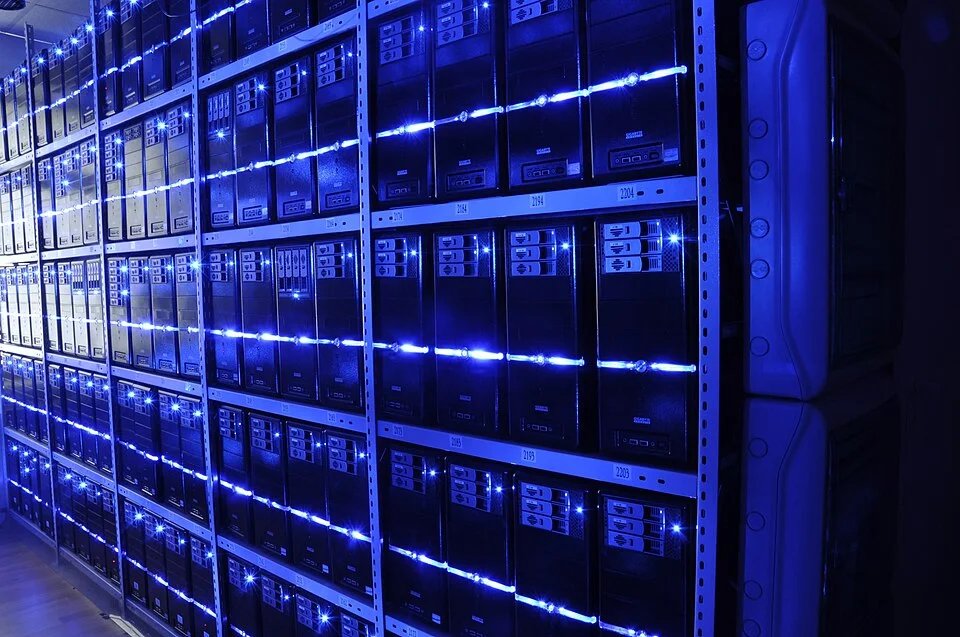
Data centres—massive warehouse‑like facilities that power everything from web searches to AI chatbots—are now a flashpoint in U.S. politics as the nation heads toward the November 3 midterm elections. Both Republican and Democratic candidates have joined a growing chorus of opponents who warn that the rapid expansion of these sites threatens local environments and resources, putting them on a collision course with President Donald Trump, who dismissed the criticism as a “sick conspiracy.” The United States alone hosts 4,767 data centres, the highest concentration worldwide, and the sector’s surge is driven by the AI boom, with projects like Nvidia‑powered Colossus 2 slated to train Elon Musk’s xAI chatbot Grok using 41 methane‑gas turbines that activists say could raise local air‑pollution levels.
The environmental stakes are stark: data centres collectively consume more electricity than the entire nation of France and increasingly strain water supplies needed for cooling, raising fears of shortages and higher energy prices. Their footprint has prompted legislative action in 16 U.S. states, where bills aim to ban or temporarily halt new facilities, and similar resistance is emerging in Mexico, France, Indonesia and the United Kingdom. While industry advocates argue that data centres bolster national security, attract investment, generate tax revenue and create construction jobs, a Brookings Center report notes that the employment benefits are modest and vary by facility type—hyperscale sites owned by giants such as Amazon and Microsoft deliver more jobs than “colocation” centers that merely lease space.
Despite the backlash, the rollout shows no sign of slowing. The tech sector is projected to spend $765 billion on AI infrastructure in 2026, climbing past $1 trillion the following year, and developers are even exploring unconventional locations, from orbital platforms to the Moon, to tap abundant solar power. As the debate intensifies, the outcome of the midterms could shape regulatory frameworks that determine how—and where—future data centres are built, influencing both the U.S. economy and the global race for AI leadership.
⚡ Effects Interpreter
🌍World Economylow impact
What this means for you
- ▶Trade flows between continents might bend slightly around news like this.
- ▶Trade negotiators may find this shapes the tone of upcoming talks.
🏙️Local Economylow impact
What this means for you
- ▶Your take-home pay may feel an indirect pull from shifts like this.
- ▶Neighbourhood businesses tend to feel big economic shifts eventually.
🏦Rates & Banksmedium impact
What this means for you
- ▶The next rate-setting meeting is a more likely trigger than this news alone.
- ▶Central banks watch moments like this closely, so keep an eye on savings rates.
❤️Healthmedium impact
What this means for you
- ▶Community spirit typically steadies nerves when headlines feel unsettling.
- ▶A little perspective usually helps once the initial shock fades.
💷Wealthmedium impact
What this means for you
- ▶Checking in on your finances now and then is good practice regardless of headlines.
- ▶Savers with a clear plan tend to feel less rattled by this kind of news.
🏠Housinglow impact
What this means for you
- ▶Anyone mid-purchase might want to keep an eye on how this unfolds.
- ▶Asking prices in the area might firm up or soften only gradually.
🌍 Effects for your country
The U.S.'s central bank rate currently stands at 3.75%, so a global rates move like this could feed through to local borrowing costs. The U.S.'s economy is growing at 2.3% with inflation at 3.2%, the backdrop this story's effects play out against locally. Housing-market effects like this are usually felt most where mortgage rates track the U.S.'s own central bank rate closely. With the U.S.'s unemployment at 4.4%, personal-finance effects like this land on a labour market that is currently fairly stable. Health-system effects are harder to localise from economic indicators alone — the real impact in the U.S. depends more on local healthcare capacity than the figures above.
The UK's central bank rate currently stands at 3.75%, so a global rates move like this could feed through to local borrowing costs. The UK's economy is growing at 0.8% with inflation at 3.2%, the backdrop this story's effects play out against locally. Housing-market effects like this are usually felt most where mortgage rates track the UK's own central bank rate closely. With the UK's unemployment at 5.6%, personal-finance effects like this land on a labour market that is currently fairly stable. Health-system effects are harder to localise from economic indicators alone — the real impact in the UK depends more on local healthcare capacity than the figures above.
France's central bank rate currently stands at 2%, so a global rates move like this could feed through to local borrowing costs. France's economy is growing at 0.9% with inflation at 1.8%, the backdrop this story's effects play out against locally. Housing-market effects like this are usually felt most where mortgage rates track France's own central bank rate closely. With France's unemployment at 7.9%, personal-finance effects like this land on a labour market that is already under strain. Health-system effects are harder to localise from economic indicators alone — the real impact in France depends more on local healthcare capacity than the figures above.
Romania's central bank rate currently stands at 6.5%, so a global rates move like this could feed through to local borrowing costs. Romania's economy is growing at 0.7% with inflation at 7.8%, the backdrop this story's effects play out against locally. Housing-market effects like this are usually felt most where mortgage rates track Romania's own central bank rate closely. With Romania's unemployment at 6%, personal-finance effects like this land on a labour market that is currently fairly stable. Health-system effects are harder to localise from economic indicators alone — the real impact in Romania depends more on local healthcare capacity than the figures above.
The UAE's central bank rate currently stands at 3.65%, so a global rates move like this could feed through to local borrowing costs. The UAE's economy is growing at 3.1% with inflation at 2.5%, the backdrop this story's effects play out against locally. Housing-market effects like this are usually felt most where mortgage rates track the UAE's own central bank rate closely. Health-system effects are harder to localise from economic indicators alone — the real impact in the UAE depends more on local healthcare capacity than the figures above.