EU steel exports hit by high energy costs, tariffs and China oversupply
Source: FT Economics ↗ (cross-verified by 2 outlets — full list below)
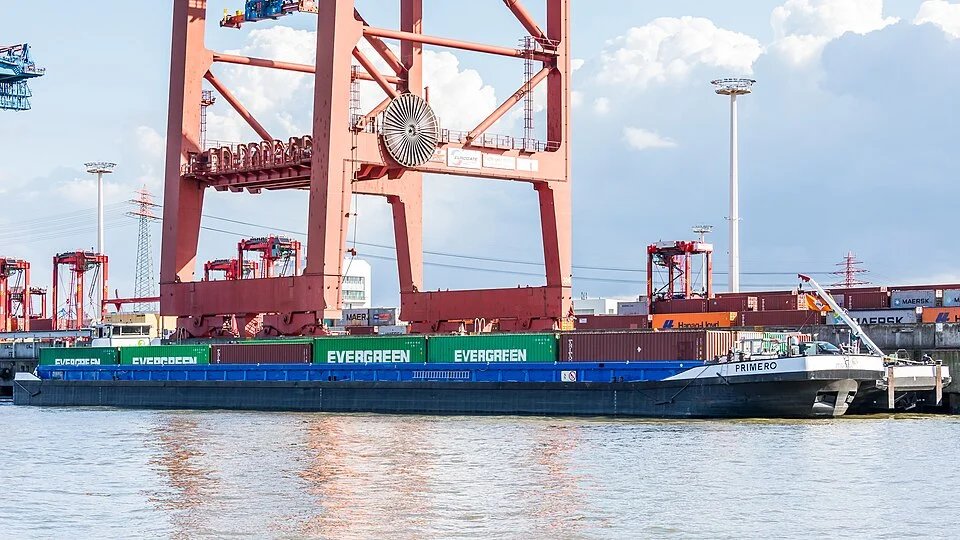
EU steel exporters are seeing shipments to foreign markets drop by roughly 20 percent, as production levels slump to historically low figures. The decline is driven by a combination of soaring energy prices, the impact of newly imposed tariffs, and an oversupply of Chinese steel that is flooding the market. Major producers across the continent are grappling with these pressures, which have collectively throttled export volumes and squeezed profit margins.
The heightened cost of electricity and gas has become a critical burden for steel manufacturers, eroding competitiveness and prompting many to scale back output. At the same time, protective tariffs introduced by the EU to shield domestic industry have unintentionally reduced demand for European steel abroad, while Chinese producers, despite a slowdown in their own industrial activity, continue to ship large quantities of steel at low prices. This confluence of factors has created a perfect storm, leaving exporters with diminished market access and forcing them to confront a challenging operating environment.
Analysts warn that the current trajectory could prolong the industry's downturn, with potential knock‑on effects for related sectors such as construction and automotive manufacturing that rely on steel inputs. If energy costs remain elevated and Chinese oversupply persists, European steel firms may face further production cuts and possible job losses. Policymakers are being urged to consider coordinated measures—such as temporary subsidies or strategic stockpiling—to mitigate the impact and preserve the sector’s long‑term viability.
⚡ Effects Interpreter
🌍World Economylow impact
What this means for you
- ▶Trade flows between continents might bend slightly around a story like this.
- ▶Imports and exports between big trading partners may feel a direct tug.
🏙️Local Economymedium impact
What this means for you
- ▶Prices at the pump and the supermarket often trail moves like this.
- ▶The corner shop's prices are often the last to move, but they do move.
🏦Rates & Banksmedium impact
What this means for you
- ▶Savings rates can lag behind this kind of news by weeks, not days.
- ▶Financial markets sometimes overreact to rate speculation before banks even respond.
❤️Healthlow impact
What this means for you
- ▶A measured response usually serves communities better than alarm.
- ▶Community wellbeing may dip a bit while people wait for clarity.
💷Wealthmedium impact
What this means for you
- ▶It's rarely wise to make big financial decisions purely on breaking news.
- ▶A calm head usually serves savers better than a quick reaction.
🏠Housingmedium impact
What this means for you
- ▶Estate agents often say the market takes weeks to catch up with news.
- ▶Home costs usually respond further down the line, once the bigger picture settles.
🌍 Effects for your country
The U.S.'s central bank rate currently stands at 3.75%, so a global rates move like this could feed through to local borrowing costs. The U.S.'s economy is growing at 2.3% with inflation at 3.2%, the backdrop this story's effects play out against locally. Housing-market effects like this are usually felt most where mortgage rates track the U.S.'s own central bank rate closely. With the U.S.'s unemployment at 4.4%, personal-finance effects like this land on a labour market that is currently fairly stable. Health-system effects are harder to localise from economic indicators alone — the real impact in the U.S. depends more on local healthcare capacity than the figures above.
The UK's central bank rate currently stands at 3.75%, so a global rates move like this could feed through to local borrowing costs. The UK's economy is growing at 0.8% with inflation at 3.2%, the backdrop this story's effects play out against locally. Housing-market effects like this are usually felt most where mortgage rates track the UK's own central bank rate closely. With the UK's unemployment at 5.6%, personal-finance effects like this land on a labour market that is currently fairly stable. Health-system effects are harder to localise from economic indicators alone — the real impact in the UK depends more on local healthcare capacity than the figures above.
France's central bank rate currently stands at 2%, so a global rates move like this could feed through to local borrowing costs. France's economy is growing at 0.9% with inflation at 1.8%, the backdrop this story's effects play out against locally. Housing-market effects like this are usually felt most where mortgage rates track France's own central bank rate closely. With France's unemployment at 7.9%, personal-finance effects like this land on a labour market that is already under strain. Health-system effects are harder to localise from economic indicators alone — the real impact in France depends more on local healthcare capacity than the figures above.
Romania's central bank rate currently stands at 6.5%, so a global rates move like this could feed through to local borrowing costs. Romania's economy is growing at 0.7% with inflation at 7.8%, the backdrop this story's effects play out against locally. Housing-market effects like this are usually felt most where mortgage rates track Romania's own central bank rate closely. With Romania's unemployment at 6%, personal-finance effects like this land on a labour market that is currently fairly stable. Health-system effects are harder to localise from economic indicators alone — the real impact in Romania depends more on local healthcare capacity than the figures above.
The UAE's central bank rate currently stands at 3.65%, so a global rates move like this could feed through to local borrowing costs. The UAE's economy is growing at 3.1% with inflation at 2.5%, the backdrop this story's effects play out against locally. Housing-market effects like this are usually felt most where mortgage rates track the UAE's own central bank rate closely. Health-system effects are harder to localise from economic indicators alone — the real impact in the UAE depends more on local healthcare capacity than the figures above.