Hurricane Trudy menaces Mexico’s Pacific coast and Greece hit by deadly floods
Source: Guardian World ↗
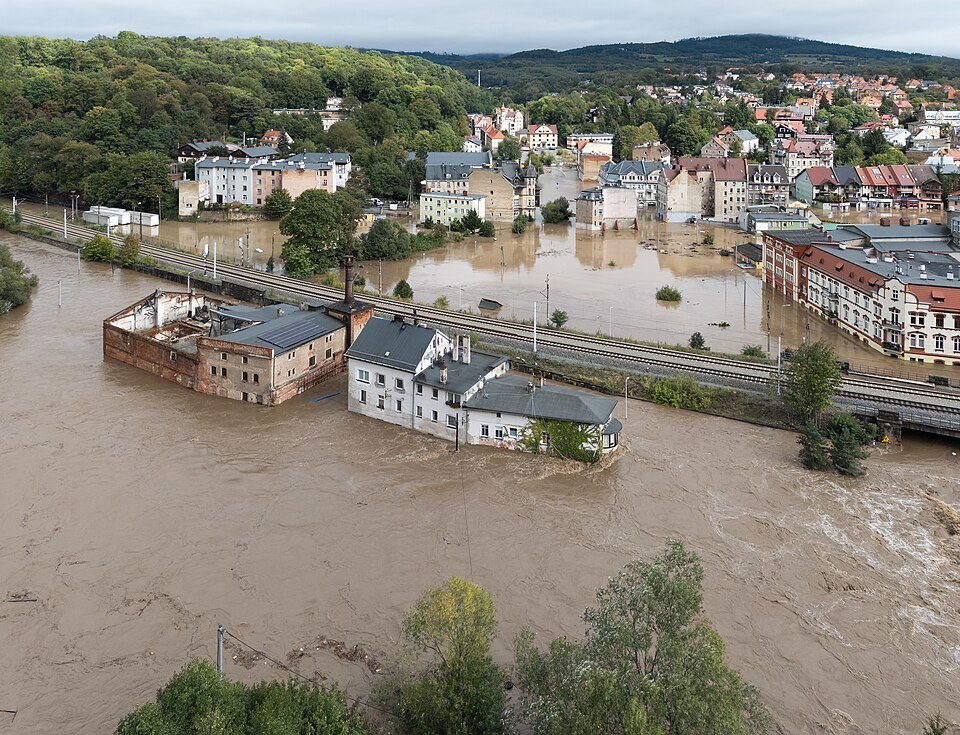
Hurricane Trudy, the 22nd named system of an unusually quiet Atlantic season, weakened from a Category 2 hurricane to a tropical storm as it lingered about 100 miles (160 km) southwest of Mexico’s Pacific coast. The U.S. National Hurricane Center had placed coastal sections of Jalisco, Michoacán and Colima under hurricane warnings, forecasting sustained winds of 60‑90 mph and rainfalls of 100‑150 mm, with alerts for dangerous storm surge, damaging waves and landslides. By Monday morning the storm had lost strength, prompting officials to lift the coastal warnings.
In Greece, a separate weather event caused deadly flooding across the islands of Rhodes, Evia and the Sporades, killing one person. The National Observatory of Athens recorded an intense 202 mm of rain in Rhodes between 03:30 a.m. and 09:50 a.m. (UTC) on 14 October, leading regional authorities to conduct more than 30 rescue and extrication operations. The Greek coastguard reported that four passenger vehicles were swept into the sea, and on Skiathos floodwaters carried away two cars, underscoring the severity of the thunderstorms and flash floods.
The Turkish State Meteorological Service also issued heavy‑rain alerts for the weekend, forecasting an additional 40‑60 mm for parts of the Marmara and western Black Sea regions, indicating a broader pattern of severe weather affecting the eastern Mediterranean. The combined impacts of Trudy’s coastal threats in Mexico and the flooding in Greece highlight the challenges faced by authorities in issuing timely warnings, coordinating rescues, and mitigating damage across disparate regions experiencing extreme precipitation and wind events.
⚡ Effects Interpreter
🌍World Economylow impact
What this means for you
- ▶Overseas suppliers may subtly rethink their pricing after a story like this.
- ▶Global supply chains might feel a slight tremor as businesses adjust.
🏙️Local Economylow impact
What this means for you
- ▶The knock-on for local trade is usually gradual rather than sudden.
- ▶Your weekly shop could get a touch dearer, or cheaper, down the line.
🏦Rates & Bankslow impact
What this means for you
- ▶Borrowing costs could hold steady for now, but they can turn on fresh news.
- ▶Interest rates and mortgage bills are unlikely to jump straight away from this alone.
❤️Healthhigh impact
What this means for you
- ▶Local surgeries and clinics might see a short-lived rise in enquiries.
- ▶A short walk or a chat with a friend can do wonders when headlines feel heavy.
💷Wealthlow impact
What this means for you
- ▶Your pension or investments might sway a touch as markets digest this.
- ▶Markets have a habit of overreacting first and settling down later.
🏠Housinglow impact
What this means for you
- ▶Regional differences mean this may be felt unevenly across the property market.
- ▶The property ladder rarely wobbles much from a single piece of news.
🌍 Effects for your country
The U.S.'s central bank rate currently stands at 3.75%, so a global rates move like this could feed through to local borrowing costs. The U.S.'s economy is growing at 2.3% with inflation at 3.2%, the backdrop this story's effects play out against locally. Housing-market effects like this are usually felt most where mortgage rates track the U.S.'s own central bank rate closely. With the U.S.'s unemployment at 4.4%, personal-finance effects like this land on a labour market that is currently fairly stable. Health-system effects are harder to localise from economic indicators alone — the real impact in the U.S. depends more on local healthcare capacity than the figures above.
The UK's central bank rate currently stands at 3.75%, so a global rates move like this could feed through to local borrowing costs. The UK's economy is growing at 0.8% with inflation at 3.2%, the backdrop this story's effects play out against locally. Housing-market effects like this are usually felt most where mortgage rates track the UK's own central bank rate closely. With the UK's unemployment at 5.6%, personal-finance effects like this land on a labour market that is currently fairly stable. Health-system effects are harder to localise from economic indicators alone — the real impact in the UK depends more on local healthcare capacity than the figures above.
France's central bank rate currently stands at 2%, so a global rates move like this could feed through to local borrowing costs. France's economy is growing at 0.9% with inflation at 1.8%, the backdrop this story's effects play out against locally. Housing-market effects like this are usually felt most where mortgage rates track France's own central bank rate closely. With France's unemployment at 7.9%, personal-finance effects like this land on a labour market that is already under strain. Health-system effects are harder to localise from economic indicators alone — the real impact in France depends more on local healthcare capacity than the figures above.
Romania's central bank rate currently stands at 6.5%, so a global rates move like this could feed through to local borrowing costs. Romania's economy is growing at 0.7% with inflation at 7.8%, the backdrop this story's effects play out against locally. Housing-market effects like this are usually felt most where mortgage rates track Romania's own central bank rate closely. With Romania's unemployment at 6%, personal-finance effects like this land on a labour market that is currently fairly stable. Health-system effects are harder to localise from economic indicators alone — the real impact in Romania depends more on local healthcare capacity than the figures above.
The UAE's central bank rate currently stands at 3.65%, so a global rates move like this could feed through to local borrowing costs. The UAE's economy is growing at 3.1% with inflation at 2.5%, the backdrop this story's effects play out against locally. Housing-market effects like this are usually felt most where mortgage rates track the UAE's own central bank rate closely. Health-system effects are harder to localise from economic indicators alone — the real impact in the UAE depends more on local healthcare capacity than the figures above.