Intel’s stock crashes, knocking $12B from government’s stake
Source: TechCrunch ↗ (cross-verified by 2 outlets — full list below)
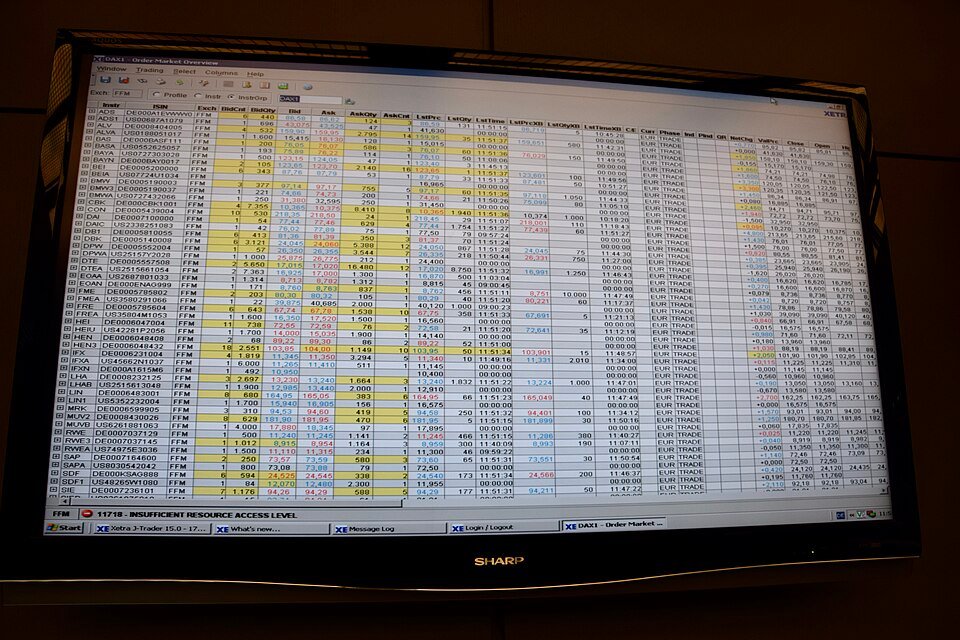
Intel’s shares plunged about 28% on Friday, delivering one of the chipmaker’s steepest single‑day declines after it issued a weaker‑than‑expected outlook for the fourth quarter. The sell‑off slashed the value of the U.S. government’s 10% stake in the company by roughly $12 billion, a holding the Trump administration secured a year earlier. Nvidia, which took a sizable position in Intel in 2025, also saw its stock dip modestly as the broader tech sector, particularly semiconductor firms, were caught in the rout. Despite the tumble, Intel’s stock remains up more than 70% for the year, keeping the government’s investment profitable overall.
The market reaction was triggered by Intel’s forecast that fourth‑quarter revenue would fall between $15 billion and $16 billion, short of analysts’ $17 billion expectations, and a projected drop in gross‑profit margin from 43% to 37%. The company also warned that heavy investment would leave it without positive cash flow for the period. CEO Lip‑Bu Tan attributed the slowdown to the AI boom’s appetite for memory and other components, which has driven up PC prices and strained IT budgets, prompting customers to signal a decline in PC demand. Nonetheless, Intel reported a 78% year‑over‑year increase in data‑center revenue, though growth is limited by capacity constraints at its fabs.
Intel’s capacity challenges stem from its fab rollout schedule: a new Arizona facility is now operational, but the next plant is not slated to come online until 2028, leaving the company reliant on external customers and competing with Taiwan Semiconductor Manufacturing Co. The data‑center gains offer a bright spot, yet the firm must accelerate capacity expansion to capture more market share. The government’s sizable stake, while still profitable, now faces heightened risk if Intel’s turnaround stalls, and investors will be watching how the company navigates the AI‑driven component shortage and its long‑term fab strategy.
⚡ Effects Interpreter
🌍World Economymedium impact
What this means for you
- ▶A story like this rarely stays local for long in a connected economy.
- ▶Global commerce often shrugs off small shocks, but keeps one eye open.
🏙️Local Economylow impact
What this means for you
- ▶Jobs and trade close to home could feel a soft knock-on effect.
- ▶The cost of a weekly food shop can creep up in the background.
🏦Rates & Bankslow impact
What this means for you
- ▶Savings accounts might see their rates nudged only after a broader trend emerges.
- ▶A modest drift in borrowing costs is more plausible than a sharp jump.
❤️Healthmedium impact
What this means for you
- ▶Support networks, formal or informal, tend to matter most in moments like this.
- ▶Health anxieties triggered by a story like this usually ease once facts replace speculation.
💷Wealthlow impact
What this means for you
- ▶Long-term savers usually ride out these small bumps just fine.
- ▶Your overall wealth picture is unlikely to be defined by a single story like this.
🏠Housinglow impact
What this means for you
- ▶Surveyors and valuers tend to factor in wider trends gradually, not overnight.
- ▶Renters might see costs drift a little as landlords weigh their own bills.
🌍 Effects for your country
The U.S.'s central bank rate currently stands at 3.75%, so a global rates move like this could feed through to local borrowing costs. The U.S.'s economy is growing at 2.3% with inflation at 3.2%, the backdrop this story's effects play out against locally. Housing-market effects like this are usually felt most where mortgage rates track the U.S.'s own central bank rate closely. With the U.S.'s unemployment at 4.4%, personal-finance effects like this land on a labour market that is currently fairly stable. Health-system effects are harder to localise from economic indicators alone — the real impact in the U.S. depends more on local healthcare capacity than the figures above.
The UK's central bank rate currently stands at 3.75%, so a global rates move like this could feed through to local borrowing costs. The UK's economy is growing at 0.8% with inflation at 3.2%, the backdrop this story's effects play out against locally. Housing-market effects like this are usually felt most where mortgage rates track the UK's own central bank rate closely. With the UK's unemployment at 5.6%, personal-finance effects like this land on a labour market that is currently fairly stable. Health-system effects are harder to localise from economic indicators alone — the real impact in the UK depends more on local healthcare capacity than the figures above.
France's central bank rate currently stands at 2%, so a global rates move like this could feed through to local borrowing costs. France's economy is growing at 0.9% with inflation at 1.8%, the backdrop this story's effects play out against locally. Housing-market effects like this are usually felt most where mortgage rates track France's own central bank rate closely. With France's unemployment at 7.9%, personal-finance effects like this land on a labour market that is already under strain. Health-system effects are harder to localise from economic indicators alone — the real impact in France depends more on local healthcare capacity than the figures above.
Romania's central bank rate currently stands at 6.5%, so a global rates move like this could feed through to local borrowing costs. Romania's economy is growing at 0.7% with inflation at 7.8%, the backdrop this story's effects play out against locally. Housing-market effects like this are usually felt most where mortgage rates track Romania's own central bank rate closely. With Romania's unemployment at 6%, personal-finance effects like this land on a labour market that is currently fairly stable. Health-system effects are harder to localise from economic indicators alone — the real impact in Romania depends more on local healthcare capacity than the figures above.
The UAE's central bank rate currently stands at 3.65%, so a global rates move like this could feed through to local borrowing costs. The UAE's economy is growing at 3.1% with inflation at 2.5%, the backdrop this story's effects play out against locally. Housing-market effects like this are usually felt most where mortgage rates track the UAE's own central bank rate closely. Health-system effects are harder to localise from economic indicators alone — the real impact in the UAE depends more on local healthcare capacity than the figures above.