Trump faces growing backlash over plans to import diesel from Russia
Source: BBC World ↗ (cross-verified by 3 outlets — full list below)
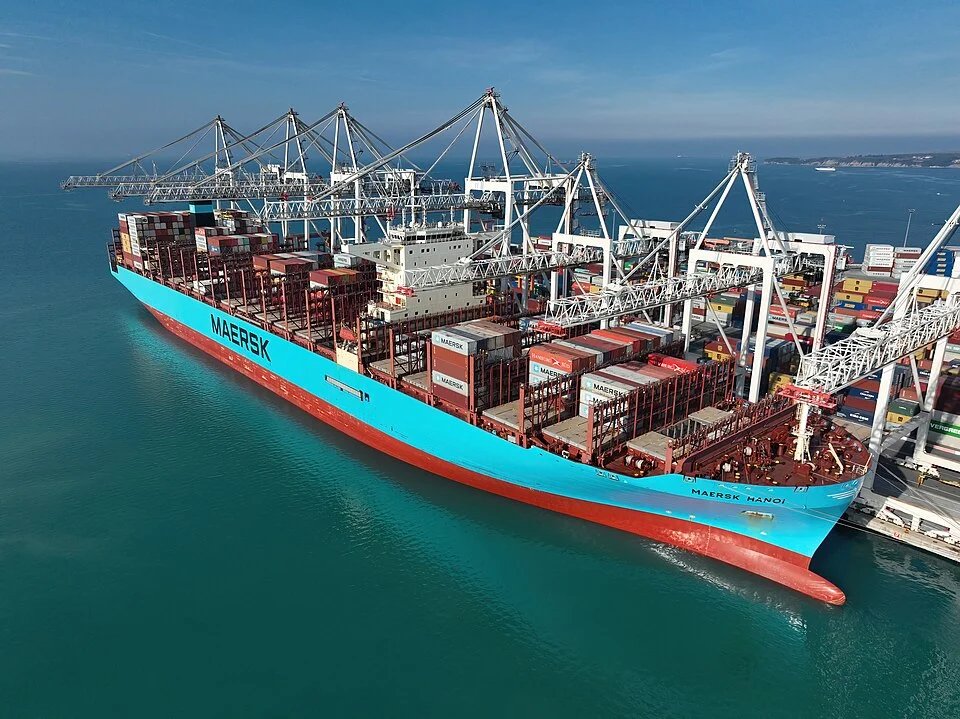
Both Republican and Democratic lawmakers have criticised the deal, which was announced weeks before the US midterm elections. US President Donald Trump is facing a growing backlash over plans to import diesel from Russia as the Iran war continues to impact global energy prices.
Trump on Friday announced that Russian President Vladimir Putin had agreed to release 300,000 tonnes of diesel immediately "to the American and global marketplace" followed by several other shipments. As well as the initial release of 300,000 tonnes of diesel, Trump said Russia would then supply 500,000 tonnes in November and one million more after that.
⚡ Effects Interpreter
🌍World Economymedium impact
What this means for you
- ▶International capital can shift direction faster than headlines suggest.
- ▶World markets have a habit of reading between the lines of stories like this.
🏙️Local Economylow impact
What this means for you
- ▶Jobs and trade close to home might feel a soft knock-on effect.
- ▶Family budgets close to home might absorb a small, slow-moving effect.
🏦Rates & Bankslow impact
What this means for you
- ▶Rate decisions tend to follow data, not headlines, so patience is the norm.
- ▶Savers might glance at their account rate — lenders adjust after big events.
❤️Healthmedium impact
What this means for you
- ▶Worry has a way of spreading faster than the facts sometimes.
- ▶Talking things through with family or friends can ease the load.
💷Wealthmedium impact
What this means for you
- ▶A calm head usually serves savers better than a quick reaction.
- ▶Investors often reshuffle their holdings when stories like this break.
🏠Housinglow impact
What this means for you
- ▶A patient seller usually fares better than one rushing to react to headlines.
- ▶Surveyors and valuers tend to factor in wider trends gradually, not overnight.
📊 Country financial snapshot
Russia
United States
Source: IMF World Economic Outlook; each figure shows its year, and current-year values are IMF estimates. Policy rates and sovereign credit ratings are from the News Effects country dataset and show their own as-of date. Not investment advice.
🌍 Effects for your country
The U.S.'s central bank rate currently stands at 3.75%, so a global rates move like this could feed through to local borrowing costs. The U.S.'s economy is growing at 2.3% with inflation at 3.6%, the backdrop this story's effects play out against locally. Housing-market effects like this are usually felt most where mortgage rates track the U.S.'s own central bank rate closely. With the U.S.'s unemployment at 4.2%, personal-finance effects like this land on a labour market that is currently fairly stable. Health-system effects are harder to localise from economic indicators alone — the real impact in the U.S. depends more on local healthcare capacity than the figures above.
The UK's central bank rate currently stands at 3.75%, so a global rates move like this could feed through to local borrowing costs. The UK's economy is growing at 1.3% with inflation at 3.3%, the backdrop this story's effects play out against locally. Housing-market effects like this are usually felt most where mortgage rates track the UK's own central bank rate closely. With the UK's unemployment at 5.3%, personal-finance effects like this land on a labour market that is currently fairly stable. Health-system effects are harder to localise from economic indicators alone — the real impact in the UK depends more on local healthcare capacity than the figures above.
France's central bank rate currently stands at 2%, so a global rates move like this could feed through to local borrowing costs. France's economy is growing at 0.4% with inflation at 2.4%, the backdrop this story's effects play out against locally. Housing-market effects like this are usually felt most where mortgage rates track France's own central bank rate closely. With France's unemployment at 8.4%, personal-finance effects like this land on a labour market that is already under strain. Health-system effects are harder to localise from economic indicators alone — the real impact in France depends more on local healthcare capacity than the figures above.
Romania's central bank rate currently stands at 6.5%, so a global rates move like this could feed through to local borrowing costs. Romania's economy is growing at -0.5% with inflation at 8.2%, the backdrop this story's effects play out against locally. Housing-market effects like this are usually felt most where mortgage rates track Romania's own central bank rate closely. With Romania's unemployment at 6.5%, personal-finance effects like this land on a labour market that is currently fairly stable. Health-system effects are harder to localise from economic indicators alone — the real impact in Romania depends more on local healthcare capacity than the figures above.
The UAE's central bank rate currently stands at 3.65%, so a global rates move like this could feed through to local borrowing costs. The UAE's economy is growing at -3.9% with inflation at 4.5%, the backdrop this story's effects play out against locally. Housing-market effects like this are usually felt most where mortgage rates track the UAE's own central bank rate closely. Health-system effects are harder to localise from economic indicators alone — the real impact in the UAE depends more on local healthcare capacity than the figures above.