UK, France end 'on in, one out' Channel migrant exchange deal
Source: France 24 ↗ (cross-verified by 2 outlets — full list below)
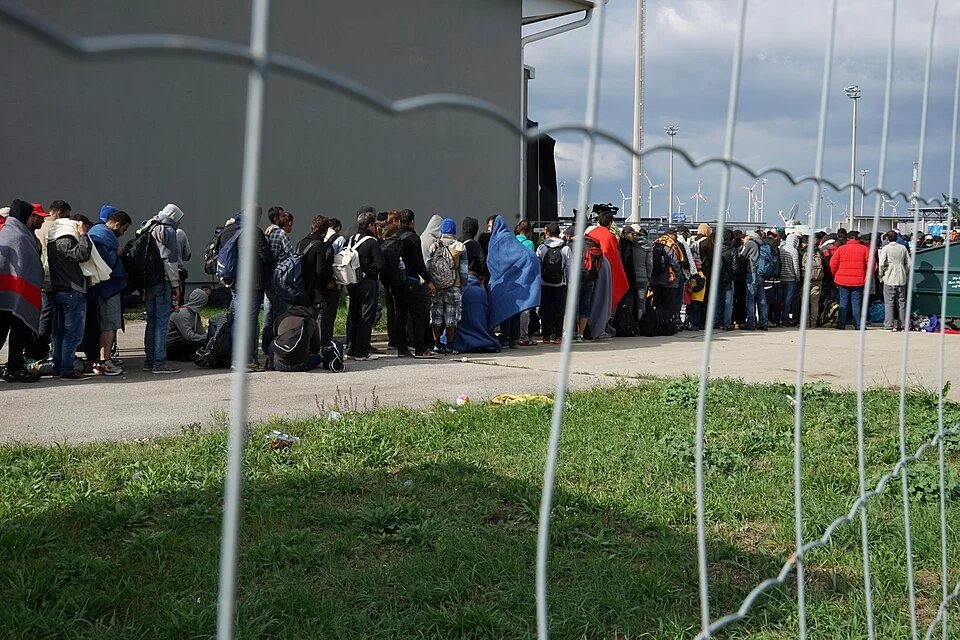
A year‑old agreement between France and the United Kingdom that required each country to return migrants who crossed the English Channel illegally in small boats has been terminated, the UK Home Office announced on Wednesday. The arrangement, struck under former British prime minister Keir Starmer last year, was intended to ease a growing diplomatic strain between the neighbours in the wake of Brexit by establishing a reciprocal “one‑in, one‑out” system for handling Channel crossings.
The collapse of the pact comes after it failed to deliver the anticipated reduction in illegal arrivals and has left both governments facing renewed pressure to manage the surge of migrants attempting the hazardous crossing. French officials had hoped the deal would help curb the flow and restore cooperation, but the lack of tangible results and mounting political criticism led to its abandonment.
With the agreement now void, each side will revert to its own unilateral procedures for processing Channel migrants, potentially reigniting tensions over responsibility and burden-sharing. The termination is expected to prompt renewed diplomatic talks as both capitals seek alternative mechanisms to address the ongoing humanitarian and security challenges posed by the Channel route.
⚡ Effects Interpreter
🌍World Economylow impact
What this means for you
- ▶Economies far from the headline can still catch the aftershocks.
- ▶Confidence among international firms may wobble until the picture clears.
🏙️Local Economylow impact
What this means for you
- ▶Jobs and trade close to home may feel a soft knock-on effect.
- ▶Local wages and hours worked may bend slightly with the wider trend.
🏦Rates & Bankslow impact
What this means for you
- ▶Lenders typically hold their nerve until a clearer trend appears.
- ▶Savers might glance at their account rate — lenders adjust after big events.
❤️Healthlow impact
What this means for you
- ▶News like this can nibble at everyday calm more than people expect.
- ▶Neighbours and families could feel more anxious until the dust settles.
💷Wealthlow impact
What this means for you
- ▶Your overall wealth picture is unlikely to be defined by a single story like this.
- ▶Savings and portfolios can see short-lived ups and downs after this kind of news.
🏠Housinglow impact
What this means for you
- ▶Regional differences mean this could be felt unevenly across the property market.
- ▶Buyers and renters may notice only a gentle drift, if anything at all.
🌍 Effects for your country
The U.S.'s central bank rate currently stands at 3.75%, so a global rates move like this could feed through to local borrowing costs. The U.S.'s economy is growing at 2.3% with inflation at 3.2%, the backdrop this story's effects play out against locally. Housing-market effects like this are usually felt most where mortgage rates track the U.S.'s own central bank rate closely. With the U.S.'s unemployment at 4.4%, personal-finance effects like this land on a labour market that is currently fairly stable. Health-system effects are harder to localise from economic indicators alone — the real impact in the U.S. depends more on local healthcare capacity than the figures above.
The UK's central bank rate currently stands at 3.75%, so a global rates move like this could feed through to local borrowing costs. The UK's economy is growing at 0.8% with inflation at 3.2%, the backdrop this story's effects play out against locally. Housing-market effects like this are usually felt most where mortgage rates track the UK's own central bank rate closely. With the UK's unemployment at 5.6%, personal-finance effects like this land on a labour market that is currently fairly stable. Health-system effects are harder to localise from economic indicators alone — the real impact in the UK depends more on local healthcare capacity than the figures above.
France's central bank rate currently stands at 2%, so a global rates move like this could feed through to local borrowing costs. France's economy is growing at 0.9% with inflation at 1.8%, the backdrop this story's effects play out against locally. Housing-market effects like this are usually felt most where mortgage rates track France's own central bank rate closely. With France's unemployment at 7.9%, personal-finance effects like this land on a labour market that is already under strain. Health-system effects are harder to localise from economic indicators alone — the real impact in France depends more on local healthcare capacity than the figures above.
Romania's central bank rate currently stands at 6.5%, so a global rates move like this could feed through to local borrowing costs. Romania's economy is growing at 0.7% with inflation at 7.8%, the backdrop this story's effects play out against locally. Housing-market effects like this are usually felt most where mortgage rates track Romania's own central bank rate closely. With Romania's unemployment at 6%, personal-finance effects like this land on a labour market that is currently fairly stable. Health-system effects are harder to localise from economic indicators alone — the real impact in Romania depends more on local healthcare capacity than the figures above.
The UAE's central bank rate currently stands at 3.65%, so a global rates move like this could feed through to local borrowing costs. The UAE's economy is growing at 3.1% with inflation at 2.5%, the backdrop this story's effects play out against locally. Housing-market effects like this are usually felt most where mortgage rates track the UAE's own central bank rate closely. Health-system effects are harder to localise from economic indicators alone — the real impact in the UAE depends more on local healthcare capacity than the figures above.