Alcaraz sets up US Open rematch with Shelton at Paris Masters
Source: Sky Sports ↗ (cross-verified by 2 outlets — full list below)
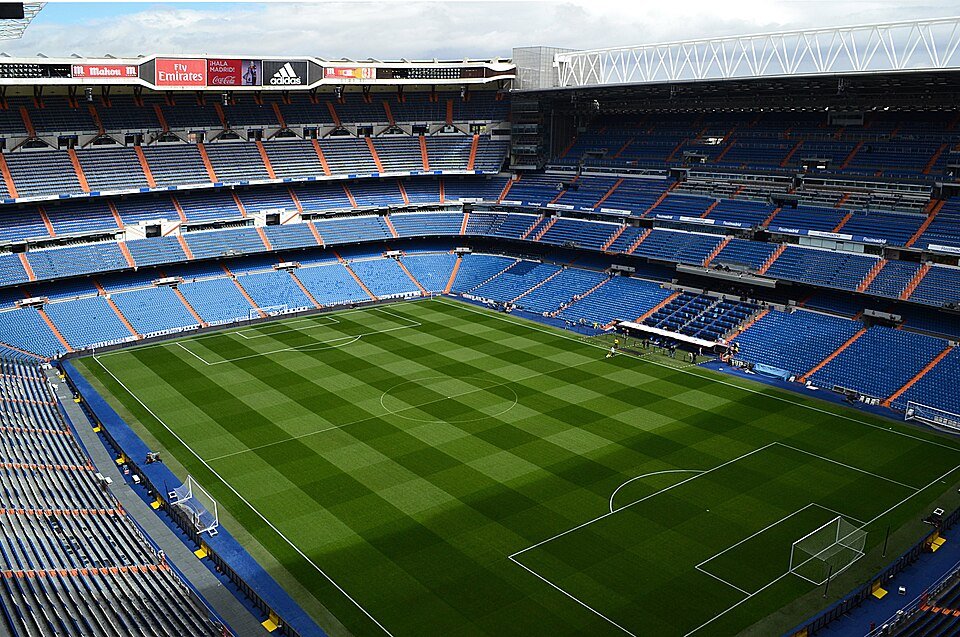
Rafael Alcaraz advanced to the ATP Paris Masters final on Sunday after a straight‑sets victory over Casper Ruud, winning 6‑4, 6‑4 in just 97 minutes. The 23‑year‑old Spaniard, who had exited in the second round of the same event a year earlier, broke early in the first set and sealed it with a 130 mph ace, then secured a decisive break in the second to clinch the match. His win sets up a rematch with World No. 4 Ben Shelton, who defeated Luca Van Assche in the quarter‑finals and will meet Alcaraz for the title.
The triumph marks Alcaraz’s sixth final of the calendar year and extends his winning streak to eight matches, underscoring a late‑season surge after a historically difficult run at the Paris Masters. Earlier in the tournament, Alcaraz survived two match points against Taylor Fritz in a dramatic semi‑final, apologising to the American after the win. His dominant performance against Ruud, highlighted by a drop‑volley winner from the baseline, reflects the form that carried him through the French capital and contrasts with his earlier struggles at this venue.
Shelton, the seventh‑seeded American who previously beat Alcaraz in a five‑set quarter‑final at the US Open, earned his place in the Paris final by overcoming Van Assche 5‑7, 6‑3, 6‑4. The upcoming showdown pits the two players against each other again just two months after their US Open encounter, where Shelton fell to Alexander Zverev in the final. The result will not only decide the Paris Masters champion but also provide a barometer for both competitors heading into the season‑ending ATP Finals in November.
⚡ Effects Interpreter
🌍World Economylow impact
What this means for you
- ▶Currency traders elsewhere may start pricing in the fallout within hours.
- ▶Growth projections drawn up in distant capitals may need a rethink.
🏙️Local Economymedium impact
What this means for you
- ▶Sports tourism can pour money into host-city tills during major events.
- ▶Fan zones and pop-up bars tend to spring up wherever the crowds go.
🏦Rates & Bankslow impact
What this means for you
- ▶Base rate decisions are usually made on data trends, not single headlines.
- ▶Borrowing costs might hold steady for now, but they can turn on fresh news.
❤️Healthmedium impact
What this means for you
- ▶Getting swept up in the occasion is part of what makes sport special.
- ▶Cheering on a team can lift community spirits.
💷Wealthlow impact
What this means for you
- ▶A calm head usually serves savers better than a quick reaction.
- ▶Your pension or investments might sway a touch as markets digest this.
🏠Housingmedium impact
What this means for you
- ▶Local surveyors often note that sentiment shifts before prices actually do.
- ▶Property values usually need more than one headline to really move.
🌍 Effects for your country
The U.S.'s central bank rate currently stands at 3.75%, so a global rates move like this could feed through to local borrowing costs. The U.S.'s economy is growing at 2.3% with inflation at 3.2%, the backdrop this story's effects play out against locally. Housing-market effects like this are usually felt most where mortgage rates track the U.S.'s own central bank rate closely. With the U.S.'s unemployment at 4.4%, personal-finance effects like this land on a labour market that is currently fairly stable. Health-system effects are harder to localise from economic indicators alone — the real impact in the U.S. depends more on local healthcare capacity than the figures above.
The UK's central bank rate currently stands at 3.75%, so a global rates move like this could feed through to local borrowing costs. The UK's economy is growing at 0.8% with inflation at 3.2%, the backdrop this story's effects play out against locally. Housing-market effects like this are usually felt most where mortgage rates track the UK's own central bank rate closely. With the UK's unemployment at 5.6%, personal-finance effects like this land on a labour market that is currently fairly stable. Health-system effects are harder to localise from economic indicators alone — the real impact in the UK depends more on local healthcare capacity than the figures above.
France's central bank rate currently stands at 2%, so a global rates move like this could feed through to local borrowing costs. France's economy is growing at 0.9% with inflation at 1.8%, the backdrop this story's effects play out against locally. Housing-market effects like this are usually felt most where mortgage rates track France's own central bank rate closely. With France's unemployment at 7.9%, personal-finance effects like this land on a labour market that is already under strain. Health-system effects are harder to localise from economic indicators alone — the real impact in France depends more on local healthcare capacity than the figures above.
Romania's central bank rate currently stands at 6.5%, so a global rates move like this could feed through to local borrowing costs. Romania's economy is growing at 0.7% with inflation at 7.8%, the backdrop this story's effects play out against locally. Housing-market effects like this are usually felt most where mortgage rates track Romania's own central bank rate closely. With Romania's unemployment at 6%, personal-finance effects like this land on a labour market that is currently fairly stable. Health-system effects are harder to localise from economic indicators alone — the real impact in Romania depends more on local healthcare capacity than the figures above.
The UAE's central bank rate currently stands at 3.65%, so a global rates move like this could feed through to local borrowing costs. The UAE's economy is growing at 3.1% with inflation at 2.5%, the backdrop this story's effects play out against locally. Housing-market effects like this are usually felt most where mortgage rates track the UAE's own central bank rate closely. Health-system effects are harder to localise from economic indicators alone — the real impact in the UAE depends more on local healthcare capacity than the figures above.